


37 lives in custody: When the state becomes accountable to the dead, by Ejiro Ofoye
Nigeria is once again confronted with a tragedy that should trouble the conscience of every citizen: 37 people arrested over alleged illegal mining have died in the custody of the Nigeria Security and Civil Defence Corps (NSCDC) in Minna, Niger State. The immediate facts are disturbing. The suspects were arrested during enforcement operations around the […]







The best job in the world
By Muyiwa Adetiba We all have a reason for doing what we do. Otherwise the gruelling hours and the discipline that we have to put into our jobs would be pointless. Most of us spend incredibly long hours at what we do. First, there is the period for the acquisition of knowledge, formal and informal; […]
The next hundred days: Yorubanness in leadership
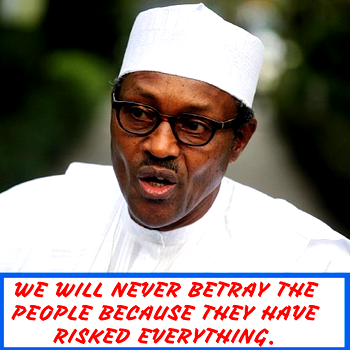
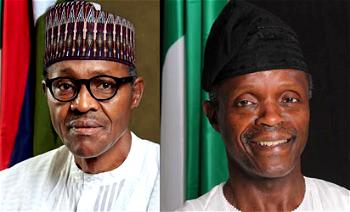
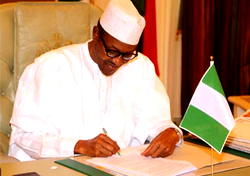
To several people, little has been achieved in the past one hundred days by the government of the All Progressives Congress which has been in government under the presidency of Muhammadu Buhari. Many other people, on the contrary, believe otherwise. However, the time frame of that judgment seems to be removed from the consideration of an appreciable number of those who feel disposed or impelled to judge, and that reduces the element of rationality drastically.
100 years after: Ibadan remembers Adelabu Penkelemeesi
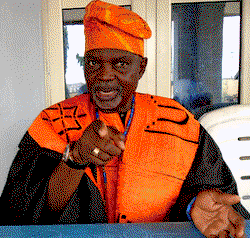
He was a precocious child and student. He was a prodigy and a man of deep intellect, an orator and a man who always pulled crowd. He attended C M S Elementary School, Kudeti, Ibadan and he had double promotion. He proceeded to the primary school in Mapo and he also had double promotion. From there, he went to the famous Government College Ibadan in Apata-Ganga. He also had double promotion, and all on scholarship.

On visiting the House Lenin lived
I WAS at the Baden International Business School (BIBS) Switzerland from August 23 – 29 as a Resource Person. My presentation was on Labour Unions and their Future in the Energy Industry. In the paper, I had written: “So fundamental had electricity become at the turn of the 20th Century, that it was one of the three reasons for the October 1917 Russian Revolution; the electrification of the country, under what became known as the National Economic Programme (NEP) The other two aims were to pull the country out of the First World War and provide food for the starving populace.”
Buhari, the elephant of Hindostan
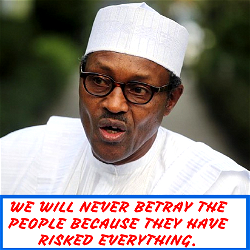
SOME of us must be familiar with the poem: The Six Blind Men of Hindostan by JE Saxe. These curious blind men went to learn about the elephant. They had to “observe” the huge animal by feeling with their palms the part of the body they found themselves touching. The first one touched its side and shrieked: “bless me, the elephant is very like a wall!”