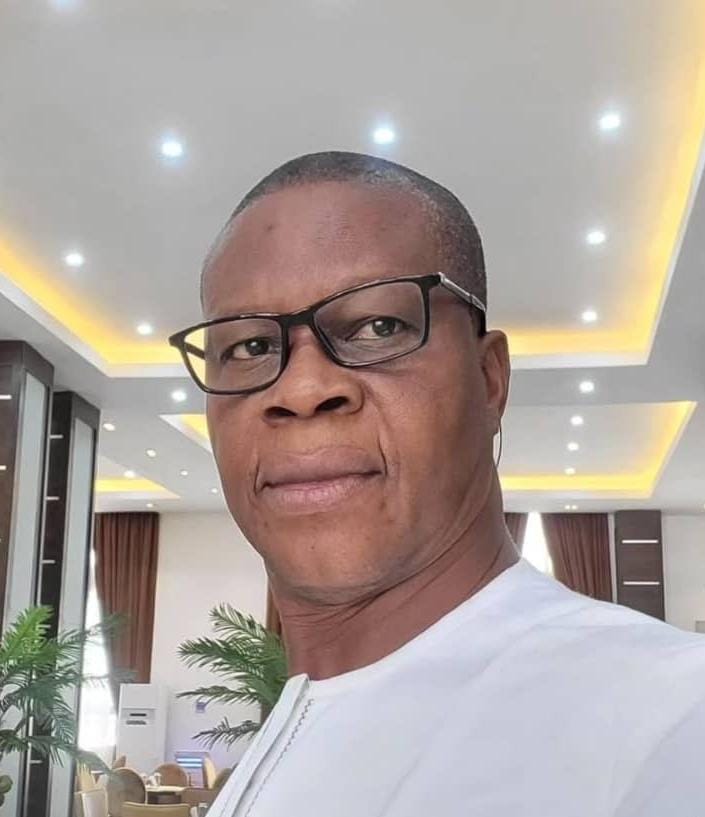
By Benjamin Mokwunye
Moving on and not looking back is a sentiment that underscores the importance of embracing the present and the future once a decision has been made. It aligns with the necessity of letting go of the past and courageously forging ahead for the greater good. From any perspective, it is evident that recent developments in the Lagos State House of Assembly inspired this title. Therefore, I do not intend to dwell extensively on summarizing the key issues surrounding the recent impeachment of the former Speaker, the last-minute negotiations, the emergence of a new Speaker, and the timely intervention of the Governance Advisory Council (GAC).
Even in the midst of political turbulence, as witnessed in Lagos State a few weeks ago, this State of Aquatic Splendor remains a shining example for other states in Nigeria. No discussion about Lagos is complete without acknowledging its status as a land of opportunity, a hub of diversity, a thriving ecosystem, and a place where significant events unfold. Like every megacity, Lagos is large and densely populated, but it also stands out for its high economic activity, advanced infrastructure, and dynamic political landscape.
Therefore, when lawmakers in the Lagos Assembly decided to change its leadership, all eyes were on Lagos for good reason. But attention was also drawn to President Asiwaju Bola Ahmed Tinubu, widely regarded as a key architect of modern Lagos. Tinubu served as governor of Lagos State from 1999 to 2007, leaving an indelible mark on both the city and its people. Many Lagosians believe that the progress Lagos enjoys today is largely due to his courage and vision. Without a doubt, Tinubu is a highly skilled politician and strategist known for identifying, attracting, and nurturing talent, regardless of background. Beyond the executive arm, where his progressive influence is still evident, he is also credited with encouraging a new generation of young people to participate in politics, particularly within the legislative and judicial branches of government. As governor, he fostered a harmonious relationship with other arms of government, built on mutual respect, appreciation, and open communication.
Unfortunately, the impeached Speaker appeared to have deviated from these principles, particularly Tinubu’s commitment to mutual respect and open communication. According to his colleagues in the House of Assembly, his major missteps included high-handedness, exclusion, an inflated ego, and personal aggrandizement. Sadly, he paid a heavy price for these errors.
Before this episode, the Lagos State House of Assembly had enjoyed remarkable peace and independence, in line with constitutional provisions. Integrity, harmony, and a spirit of collaboration had long been hallmarks of the Assembly, dating back to 1999. However, this tradition of camaraderie was disrupted by recent events.
Even before the impeachment, it was evident that many members of the House were discontented. Complaints ranged from disempowerment and bullying to condescension and exclusion. Given his democratic credentials, the President himself would likely have been unable to shield the embattled Speaker from the consequences of his actions. Nonetheless, there are lessons to be learned and hope to be found in the midst of these developments. The new leadership of the Assembly should be allowed to evolve in response to changing political dynamics, not just in Lagos but across Nigeria. Expectations are high, and Lagos has the responsibility of setting a legislative example for the rest of the country.
Now that those difficult and uncertain weeks are behind us, it is time to move forward and focus on the future. As far as I am concerned, there are no losers in the events of the past few weeks. Everyone is a winner, so long as the ultimate goal remains service to the people.
God bless Lagos State and the Federal Republic of Nigeria.
Benjamin Mokwunye, a lawyer and public commentator, Lagos.
Disclaimer
Comments expressed here do not reflect the opinions of Vanguard newspapers or any employee thereof.