By Esther Onyegbula
In an age where attention has become one of the world’s most valuable commodities, museums can no longer afford to be silent custodians of history.
The challenge confronting cultural institutions today is not merely preserving collections but remaining visible, relevant and meaningful in an increasingly crowded digital landscape.
That message resonated throughout a two-day workshop for arts and culture journalists in Lagos, where communication experts, museum professionals, academics and media practitioners examined the future of cultural storytelling and journalism.
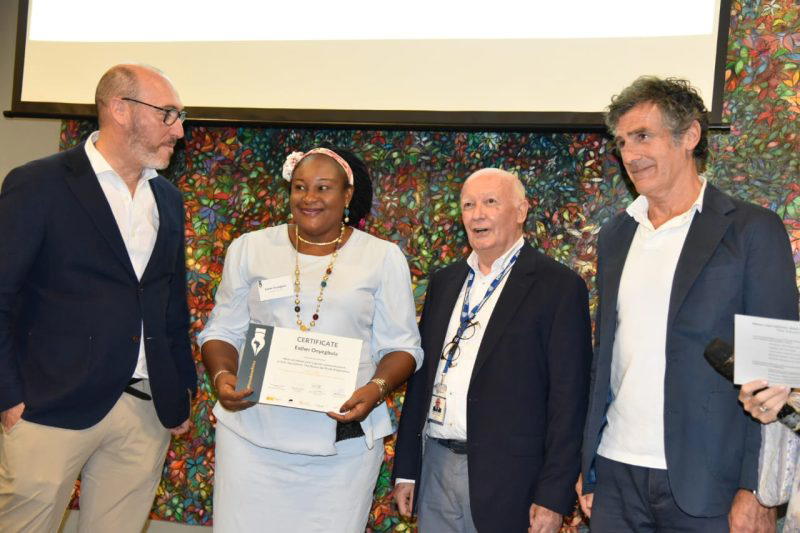
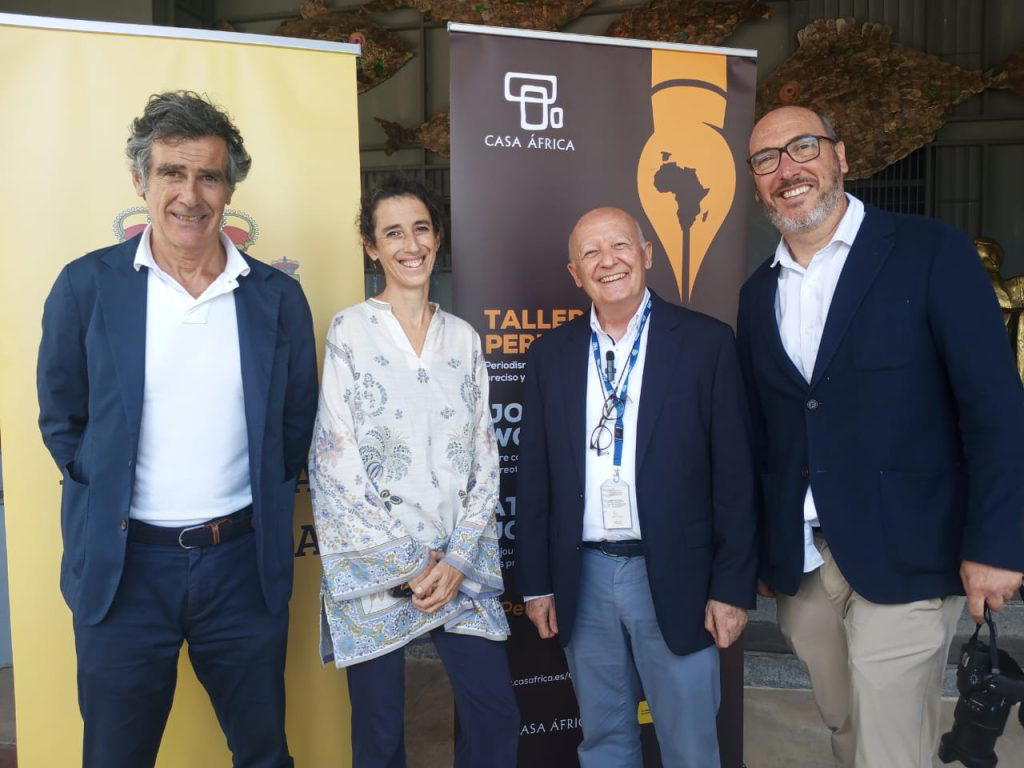
Organised by Casa África, the Embassy of Spain in Abuja and the Yemisi Shyllon Museum of Art, Pan-Atlantic University, the workshop, themed “New Narratives and Singular Communication in Journalism: The Museo del Prado Experience,” explored how culture is communicated, who shapes artistic visibility and how journalism influences public understanding of the arts.
A recurring theme was the need for museums to evolve beyond their traditional role as repositories of artefacts and become dynamic storytellers capable of engaging audiences and shaping public conversations.
For Carlos Chaguaceda, Director of Communication and Corporate Affairs at Spain’s Museo del Prado, the issue is increasingly urgent.
According to him, museums now compete for attention alongside brands, media organisations and digital platforms. As a result, the prestige of a collection alone is no longer enough to guarantee public relevance.
“The best way to be relevant is to catch the attention being the first one or even the last one,” Chaguaceda said.
“What doesn’t work in communication is the middle term.”
Drawing from the Prado’s communication strategy, he argued that cultural institutions must rethink how they connect with audiences.
“The museum is not only a collection of masterpieces.
“The Prado Museum is more than the collection of paintings we have,” he said.
His argument reflects a broader shift within the cultural sector. Increasingly, institutions are judged not only by what they preserve but by the stories they tell, the conversations they stimulate and the value they create for society.
The Power Behind the Pen
The discussion naturally extended to journalism and its influence on cultural visibility.
Director of the Yemisi Shyllon Museum of Art, Jess Castellote, described journalists as powerful actors within the cultural ecosystem, capable of shaping what enters public consciousness.
“You are part of the gatekeepers,” he told participants.
“If this weekend there are three exhibitions or four exhibitions in Lagos, and you are going to write something, you will have to choose.
“You are a gatekeeper. You have power.”
His remarks underscored how editorial choices can influence which artists, exhibitions and cultural conversations gain public attention.
According to Castellote, journalists, galleries, museums, collectors, curators, scholars and policymakers all contribute to shaping cultural memory. However, media coverage plays a unique role because it not only documents artistic activity but also validates it.
“When journalists decide which exhibitions, artists or cultural events to cover, they influence what audiences see, discuss and remember,” he said.
That responsibility is particularly significant in Nigeria, where the arts sector remains vibrant despite structural limitations.
Castellote noted that while private collectors have sustained much of the ecosystem, museum infrastructure, institutional collecting, documentation systems and long-term cultural investment remain limited.
In such an environment, cultural journalism becomes more than reportage. It serves as an important mechanism for preserving artistic narratives that may otherwise be lost.
Technology and Cultural Sensitivity
Another major focus of the workshop was the growing influence of artificial intelligence on journalism.
Presenting findings from a study involving journalists across several African countries, Dr Nwachukwu Egbunike, Researcher and Senior Academic at Pan-Atlantic University, said many media professionals remain cautious about AI because of concerns around misinformation, newsroom sustainability, job security and editorial identity.
While acknowledging the technology’s potential, he stressed that AI should support newsroom processes rather than replace human judgment.
“How do we now use AI tools without losing touch of our cultural sensitivity?
“That is the question,” he said.
Egbunike warned that excessive reliance on dominant global datasets could weaken local perspectives and diminish the cultural depth of storytelling.
His comments highlighted the need to balance technological innovation with cultural authenticity, particularly in societies with rich and diverse histories.
The workshop also explored journalism’s broader influence on public behaviour and social change.
Joan Tusell, Head of Media Relations at Casa África, pointed to Spain’s experience in reporting gender-based violence as an example of how sustained and responsible media coverage can transform public attitudes.
“The power that we have as journalists is so, so important.
“How we explain things, how we communicate things to people,” he said.
Tusell added that tackling misinformation, whether related to elections, public health or other social issues, requires collaboration between local expertise and international knowledge rather than imported solutions.
A panel discussion on ethics and judgment in cultural journalism brought together Dr Ikechukwu Obiaya, Dean of the School of Media and Communication at Pan-Atlantic University; Sunshine Alaibe, Director of Art Report Africa; and artist Wale Alimi.
The conversation examined the responsibilities of cultural journalists in interpreting, critiquing and representing artistic works.
Participants also discussed tensions within the relationship between artists and the media. While some journalists argued that artists often expect coverage without supporting cultural platforms, others noted that relationships sometimes weaken once emerging artists achieve wider recognition.
The debate highlighted larger questions around sustainability, fairness and professional integrity within the cultural ecosystem.
Panelists agreed that cultural journalism requires more than reporting skills. It demands context, critical judgment and sensitivity to artistic intent and cultural meaning.
As the workshop concluded, participants were encouraged to see arts reporting as more than event coverage.
Instead, they were challenged to view it as a powerful tool for preserving cultural memory, strengthening institutions and expanding public engagement with the arts.
The overriding message was clear: while museums preserve objects, journalists help preserve meaning. Together, they shape how societies remember their past, understand their present and imagine their future.
Disclaimer
Comments expressed here do not reflect the opinions of Vanguard newspapers or any employee thereof.