By Prisca Sam-Duru
Poetry and creative writing have been employed all over the world by writers who have joined the movement for the liberation and emancipation of the girl child. Voices of creative writers ranging from historical pioneers such as Jane Austen, to modern icons like Nobel Laureate Nadine Gordimer, Maya Angelou, Nobel and Pulitzer Prize-winner, Toni Morrison; Margaret Atwood, Agatha Christie and a host of others, have in no small way, impacted positively on how society views and interrogates the female gender.
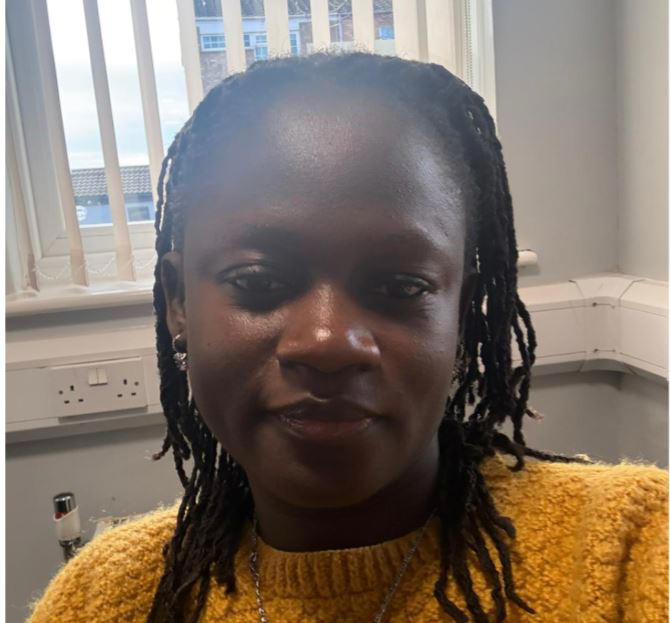
Joining her voice to that of other women writers across the globe in the campaign against systemic tyranny particularly against the girl child, is a UK-based Nigerian poet, Adebimpe Oluwafunmilayo Adeyemi, who writes under the pen name, Fumsymoon. Adebimpe , who moved to the UK in 2022 for her Master’s degree at the University of Birmingham, has continued her work as a poet and activist. Over the years, she has explored themes including femininity, identity, sexuality and other activism-geared themes like police brutality, war, child marriage, cancer awareness, and much more.
Speaking on her earliest days of writing poetry and what got her started, she said, “I wrote the poem, “Aluta-struggle” in 2011 in Obafemi Awolowo University, (OAU) Ile-Ife where I studied law. The poem was birthed from the awakened political consciousness that a charged environment of student activism and consciousness created.”
The experiences in Aluta and all of the poems in this collection are from the poet’s experiences in Nigeria. Made popular by her works on socio-cultural, political issues, and femininity, Adeyemi bears witness to the struggles of women in the traditional patriarchal settings.
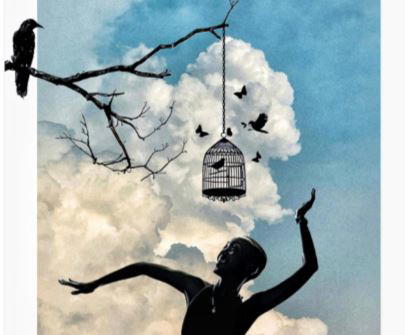
Adeyemi’s poetry collection titled ‘Symphony of A Blackbird’ (2025) published by INKspiredng, brings an exceptional viewpoint to the lived experiences of women.
She explains the process of deciding the title, “Symphony of a Blackbird”.
“The title “Symphony of a Blackbird” is a representation of how this collection was a long time coming. I named my blog site in 2017, ‘Songs of a Blackbird’. Shortly after, I began compiling the work. The tentative title was ‘Songs of a Blackbird’. During editing, ‘Symphony’ was suggested, and it resonated better.”
Though themes of identity and femininity permeate her collection, it’s surprising that she didn’t set out from the outset to write a gender/identity themed book. “I was focused on telling my stories and the stories of the people that surrounded me. Femininity became a core theme because I was in the process of finding myself as a young girl in a predominantly patriarchal society,” she explained.
The poet puts her best foot forward in the 46-paged “Symphony of a Blackbird”, with the first poem titled “My Body is a Crime Scene”. The poet shows that storytelling is a powerful tool to address weighty issues and set narratives right. However, are the stories told all of her own experiences?
“Not all of the stories are mine. For a lot of the poems, I wrote myself into them. Sometimes consciously, sometimes inadvertently, but there were some poems that I wrote about some of the issues I felt needed to be addressed. My poems have always felt like my avenue to add my voice to some conversations and reshaping narratives around femininity and identity stood out.”
‘My Body is a Crime Scene,’ is an outstanding poem that challenges the social prejudice against women. Here, the poet explores the imagery of being forbidden. Through the metaphoric title, Adebimpe vividly narrates how it feels to be placed under continuous scrutiny as a woman. The verses are recollections of the diverse social realities of women and how, for too long, the female gender has been objectified.
The poem also speaks against certain cultural norms and media analysis, which often focus on women’s appearances and actions, rather than on the huge role they play in the society.
In the collection, another poem titled, ‘Becoming My Mother,’ shines the light on domestic violence and abuse, which undermines many women across the globe. The poem interrogates the negative impact of internalised misogyny, made worse by the silence of women.
The first section of her collection actually explores a myriad of themes, including a poem on male rape titled “No Favourites”.
Asked if that was a mere attempt to balance the narrative, given that the rest of the poems centred around femininity, she said, “I wrote “No favourites” from a place of shared vulnerabilities. At the time, I had spoken to a number of my male friends and acquaintances, and many of them had their first sexual encounters with an older female before they came to consciousness of self. They were not willing to admit that they were victims or had been used. My thoughts on how many boys were also traumatised birthed “No Favourites”.
Adeyemi’s participation in the award-winning documentary film, “Coconut Head Generation, a result of her quest for a saner society, has afforded her a platform at various film festivals. The festivals include: the Cinema Du Reel (Paris), Leeds International Festival, Open City Festival, Human Rights Watch Festival where she sat on different panels on the subject of the instrumentality of art to the reshaping of society and a better world for every human. Her works have been published by the Lolwe, Olongo Africa, INKspiredng, Figure Feminists, YabaLeft Review, Sahara Reporters, Poems from the Heron Clan Anthology Series, Cult of Clio and other places.
She is working on a number of projects at the moment, which includes her full-length poetry collection. She is also working on replicating the idea behind Poetry Unlocked; a poetry event that she organised in her community in 2021 before her relocation as well as some collaborative projects.
Disclaimer
Comments expressed here do not reflect the opinions of Vanguard newspapers or any employee thereof.