By Michael Adebayo
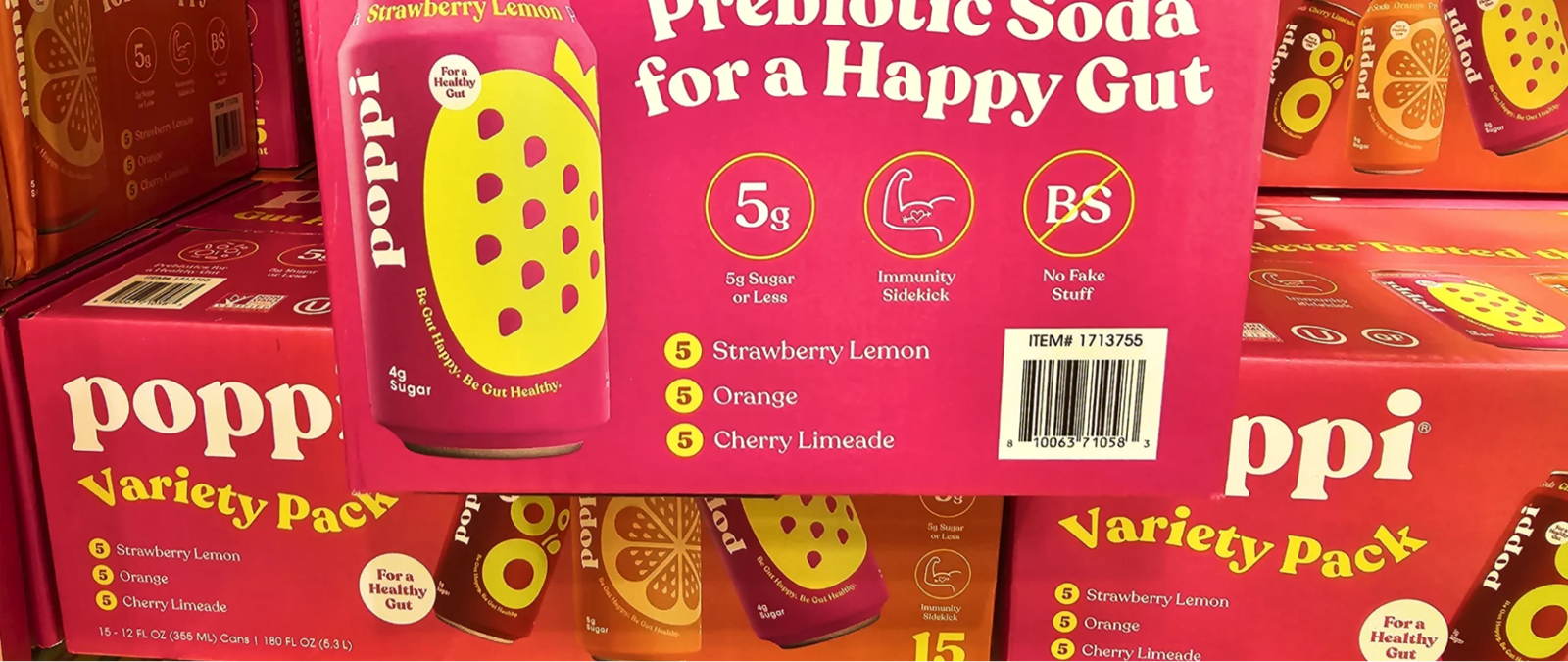
As Nigeria’s consumer economy grows, the role of packaging has become a deciding factor in how products perform on shelves. With supermarkets rapidly expanding in cities like Lagos, Abuja, and Port Harcourt, the consumer packaged goods (CPG) sector is becoming more competitive. For local producers, packaging is no longer just a container—it is the first impression, the unspoken advertisement, and often the key to whether a shopper makes a purchase.
Industry experts point out that this shift is not unique to Nigeria. Globally, packaging is increasingly being treated as a measurable performance tool, and the agencies that specialize in testing designs with real consumers before launch are redefining how brands go to market. One of those agencies is SmashBrand, a U.S.-based firm founded in 2009 that has worked with international names like Duracell and Walmart, while also helping mid-sized and emerging brands navigate crowded retail environments.
Speaking with co-founder Kevin Smith, it becomes clear that the firm’s philosophy is rooted in eliminating guesswork. Smith describes packaging as the “front door” of a product, the point where consumers make instant judgments that can dictate a brand’s future. SmashBrand’s proprietary methodology, known as the Path to Performance, incorporates live consumer testing into every design stage. This approach is designed to ensure that by the time a product hits the shelf, its packaging has already been validated for clarity, appeal, and competitive differentiation.
For Nigerian producers entering formal retail, this kind of testing could have outsized importance. With consumers balancing price sensitivity and brand trust, the ability to fine-tune packaging before launch can mean the difference between scaling into supermarkets or being pushed aside by better-positioned competitors. “The cost of skipping testing is almost always higher than the investment in doing it,” Smith explains, noting that failed launches can drain resources and stall growth.
SmashBrand has gone so far as to introduce performance guarantees, a rare practice in the branding world. If a design does not achieve agreed-upon benchmarks during testing, revisions are provided at no extra cost. For companies entering new and diverse markets, Smith says, this level of accountability gives reassurance that their packaging decisions are based on more than intuition.
The implications for Africa’s CPG sector are significant. Nigeria, in particular, is home to a growing population of young, brand-conscious consumers. In categories such as food, beverages, and wellness, packaging often acts as the sole advertisement. A design that communicates authenticity and value in seconds can help local brands compete directly with multinational corporations.
Trends shaping the future of packaging—health-conscious messaging, sustainability, and authenticity—are already emerging among Nigerian consumers. Agencies like SmashBrand argue that testing is what ensures these elements resonate in practice. “Agility and validation are not luxuries anymore; they’re necessities,” Smith notes, adding that the brands that prioritize testing will be the ones that secure long-term success.
For Nigeria’s expanding consumer sector, the lesson is straightforward: packaging has become a strategic tool, not a secondary detail. And as the competition for shelf space intensifies, testing before launch may prove to be one of the most decisive investments a brand can make.
Disclaimer
Comments expressed here do not reflect the opinions of Vanguard newspapers or any employee thereof.