By Levinus Nwabughiogu, Abuja
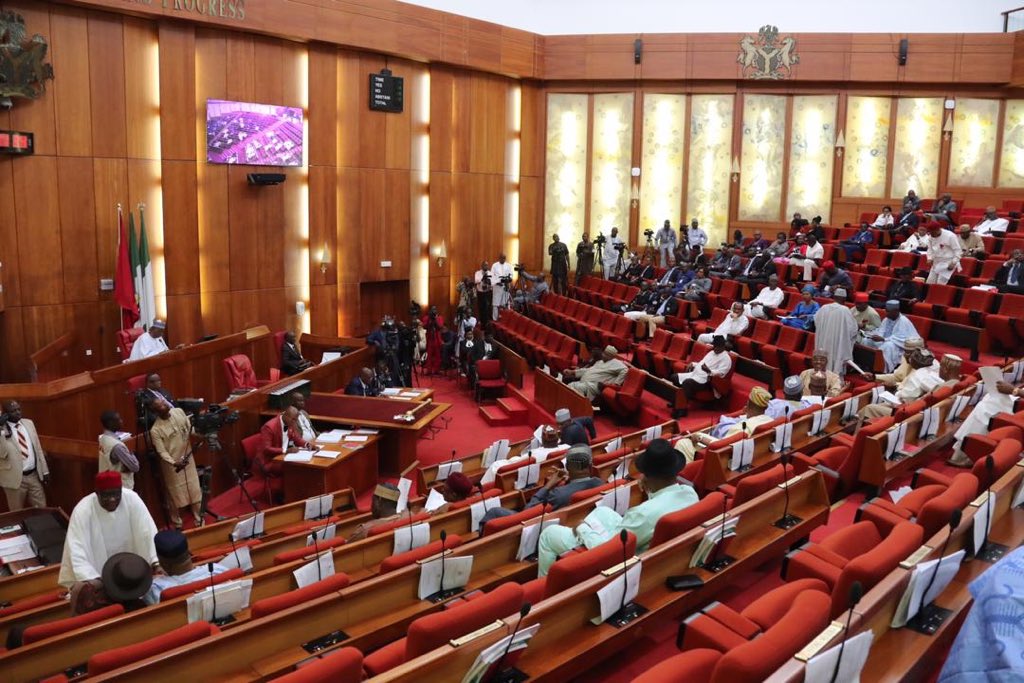
Senate on Tuesday passed to second reading a bill seeking to establish National Integrated Community Development Agency to second reading.
The major objective of the Bill is to give rural areas a boost in terms of infrastructural development, as well as the improver their living standard.
The establishment of the agency has the specific function of fostering community environmental and ecological sustainability.
The bill titled “The National Integrated Community Development Agency Bill 2020, (SB.199)” is sponsored by Senator Stella Oduah (PDP, Anambra South).
The Bill was read for the first time on Thursday, November 21, 2019.
Leading the debate, the sponsor, Oduah said that the bill is passed to create the agency will change the government culture of neglecting the rural dwellers.
She said: “Mr President, highly respected Colleagues Rural integrated development involves a coordinated program that requires integrating the developmental challenges that rural people face to help improve their living conditions in a sustainable manner so as to touch every aspect of their lives.
ALSO READ: Senior civil servants partner firm on affordable housing
“The very essence of this important bill is the extension of the changing culture of government into the rural area so as to make our rural dwellers have a feel of governance.
“This Bill seeks to establish Mr President, will help our nation meet the challenges of the Sustainable Development Goals and sustainable human development rights among the rural communities in line with the National Economic Empowerment and Development Strategy (NEEDS).
“Poverty tends to affect men and women differently. Women are generally less educated, more vulnerable, deprived and powerless than their male counterparts.
“Poor people experience insecurity and vulnerability (drought, desertification, flooding, deforestation, diseases, volatile commodity markets etc); lack of empowerment to influence public policies according to their priorities; and lack of opportunities for income generation and benefits from markets. Access to education, safe water supply, sanitation, health, modern energy, telecommunications and roads are important in reducing vulnerability and increasing prosperity.
“Critical infrastructure services, like water, energy and telecoms come at relatively high costs in rural communities. While scale, density, distance and purchasing power of rural communities tend to increase investment costs, inappropriate government policies can also drive the prices for these commodities up in rural areas. Essential expenditures on water and energy often represent a large proportion of the disposal incomes of rural households. While some of these costs are monetized, others are informal and come in form of time and drudgery spent by mostly women and children in collecting water and gathering wood.”
The senator further outlined the workability of the agency, saying it would collaborate with other agencies of government to achieve its objectives.
“The Agency which this Bill seeks to establish will evolve and implement policies and programmes in the areas of self-sufficiency in food and fibre, enhancement of Community productive activities, income generation, employment opportunities, reduction of Community-urban migration, poverty eradication and ultimately mainstreaming the community dwellers into national development as well as the following:
ALSO READ: Buhari extends Buni-led caretaker C’ttee by 6 months
“Collaborate with Federal Government Ministries and Agencies, International Development Partners, State Governments, Local Governments and Local Communities, private and public sector organizations/ institutions, enterprises and individuals for the purpose of harnessing and coordinating resources for the implementation of Community development programmes and projects.
“Mobilize and empower the Community population to create wealth through increased agricultural, industrial and other productive activities;
“Promote the expansion of the productive base of the Community economy through the creation and expansion of non-agricultural enterprises,
“Provide Community support services needed to bring about increased production of goods and services and provide access to extension services, inputs, credit and marketing services, and to raise Community productivity in general.
“Establish an integrated network of cottage and small scale industries, and promote the acquisition of vocational and trade skills, arts and crafts;
“Improve the human resource and technological capacity of community communities through education, training, extension and technical support services that facilitate the adoption of relevant technology by Community producers”, Oduah said.
The bill got the support of the upper chamber when put to voice vote.
Disclaimer
Comments expressed here do not reflect the opinions of Vanguard newspapers or any employee thereof.