By Christopher Ameh, Bauchi
The United Nations Children’s Fund, UNICEF, says more than 40,000 children aged between six and 23 months in Bauchi State have benefited from nutrition support funded by the United States Government.
Philomena Irene, Nutrition Specialist at the UNICEF Bauchi Field Office, disclosed this while speaking on the impact of the intervention in the state.
She said the programme provided the children with Small Quantity Lipid-Based Nutrient Supplements (SQ-LNS) to prevent malnutrition.
Irene added that more than 6,000 members of the Mama2Mama and Father-to-Father support groups, as well as over 50 health workers, had been trained under the programme.
According to her, the intervention also strengthened the Logistics Management Information System and District Health Information System, while revitalising Local Government Food and Nutrition Committees.
She said the programme focused on the first 1,000 days of life, from conception to a child’s second birthday, describing the period as critical to child survival and development.
“Seventy-five per cent of brain development, as well as the development of muscles, bones and vital organs, happens in this period. If we miss it, the damage can be irreversible,” Irene said.
The Executive Chairman of the Bauchi State Primary Health Care Development Board, Dr. Rilwanu Muhammad, said the Fathers for Good Health initiative was introduced after health authorities observed that some fathers hindered their children’s access to vaccination, antenatal care and proper nutrition.
Muhammad said the initiative began in Ningi and Misau Local Government Areas before being expanded to more than 10 LGAs.
He said the volunteers, selected by their communities, work without pay but play an important role in promoting the health and wellbeing of mothers and children during the first 1,000 days of life.
“They track women to ensure facility delivery, postnatal care, immunisation, exclusive breastfeeding for six months and then the introduction of complementary feeding,” he said.
Muhammad expressed concern over the gap between antenatal care attendance and facility-based deliveries in the state.
“Almost 70 to 80 per cent of mothers in Bauchi State attend antenatal care, but only about 35 to 40 per cent deliver in a healthcare facility,” he said.
He added that the state government occasionally provided transport allowances to volunteers to enable them to reach women and children in hard-to-reach communities.
Muhammad said the involvement of men had strengthened the campaign.
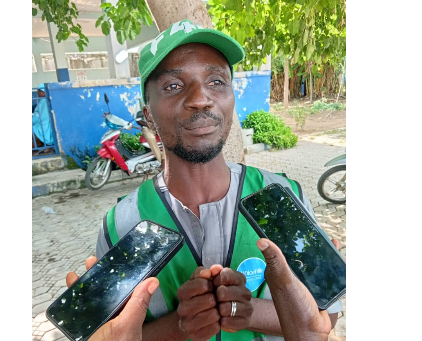
Nazif Hassan, Leader of the Fathers for Good Health group in Dawaki Ward, said the group engages men and encourages them to support their wives throughout pregnancy, childbirth and child immunisation.
Hassan identified exclusive breastfeeding during the first six months as one of the major challenges confronting the group.
He said some men insisted that babies should be given water and other foods before six months because that was how they were raised.
“We go from house to house to talk to our fellow men to support their wives during pregnancy, from antenatal care to birth and immunisation, and they are really supporting us,” he said.
He added that members of the group also visited communities to identify children suffering from malnutrition.
According to him, members had been trained to use screening devices to identify children at risk of malnutrition and refer them for appropriate treatment.
Hassan appealed to UNICEF to provide additional funding and strengthen support for health facilities to ensure that patients referred by volunteers receive prompt attention.
Similarly, Bilkisu Yahaya, a Mama2Mama volunteer from Dawaki Ward, said community sensitisation on nutrition and immunisation remained challenging because some residents resisted immunisation and exclusive breastfeeding recommendations.
“We are rejected and driven away from some of the houses we visit for sensitisation on malnutrition. Sometimes, we take the pain of trying to convince those who do not believe in the process,” Yahaya said.
She reaffirmed the volunteers’ commitment to the programme and appealed to the organisers to provide transportation support to facilitate their movement across communities.
Disclaimer
Comments expressed here do not reflect the opinions of Vanguard newspapers or any employee thereof.