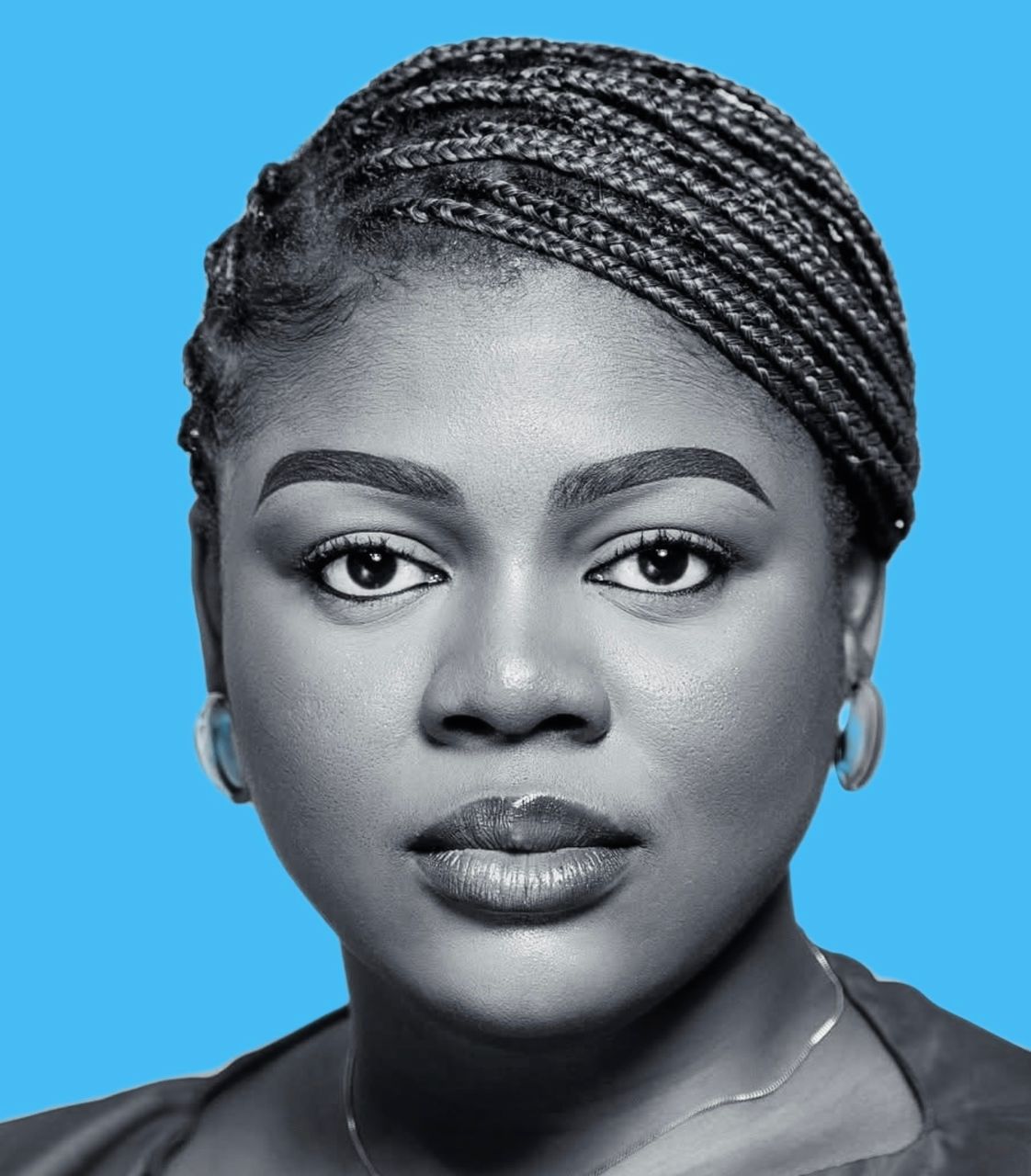
Miracle Arimobi, founder of Power of Her Women in Leadership and Special Assistant to Sheriff Oborevwori on Female Youth Development, has thrown her weight behind the proposed Reserved Seats for Women Bill, declaring that Nigeria’s democracy cannot attain its full potential while women remain underrepresented in decision-making spaces.
Arimobi noted that although women make up nearly half of the country’s population, their presence in legislative and political leadership positions remains critically low, describing the bill as a corrective measure rather than a privilege.
She stressed that for decades Nigerian women have demonstrated excellence across governance, business, education and community leadership, yet systemic barriers such as financial constraints, political gatekeeping, cultural bias and limited party support have continued to restrict their access to elective offices.
According to her, reserved seats present a practical pathway to dismantle those barriers and expand participation. She pointed out that countries that adopted similar mechanisms recorded measurable progress in women’s political inclusion and more balanced policymaking, especially on issues affecting education, healthcare, youth development, social protection and economic opportunity.
She emphasized that the proposal should not be framed as a gender-only concern but as a national development imperative.
“Democracy thrives when diverse voices shape policy. Inclusive leadership produces stronger institutions, balanced decisions and greater public trust,” she said, adding that the current political playing field has never been level and therefore requires temporary corrective mechanisms to ensure fairness.
The youth development advocate further argued that Nigeria cannot afford to leave its talent untapped, noting that increased female representation would inspire younger generations to see leadership as attainable. She said the measure would not only improve representation today but also cultivate confident future leaders across communities in Delta State and the wider federation.
Arimobi urged lawmakers, civil society organisations and political stakeholders to support the bill, insisting that history would favour leaders who champion inclusive reforms. She concluded with a call for decisive action, saying, “The future of Nigerian democracy depends on inclusion. It is time to move from conversations about equality to concrete steps that guarantee representation and progress.”
Disclaimer
Comments expressed here do not reflect the opinions of Vanguard newspapers or any employee thereof.