By Nnasom David
Abuja – The Financial Reporting Council of Nigeria (FRC) has reaffirmed its commitment to working with civil society organizations (CSOs) to strengthen accountability, transparency, and compliance with financial reporting, corporate governance, and sustainability standards across the country.
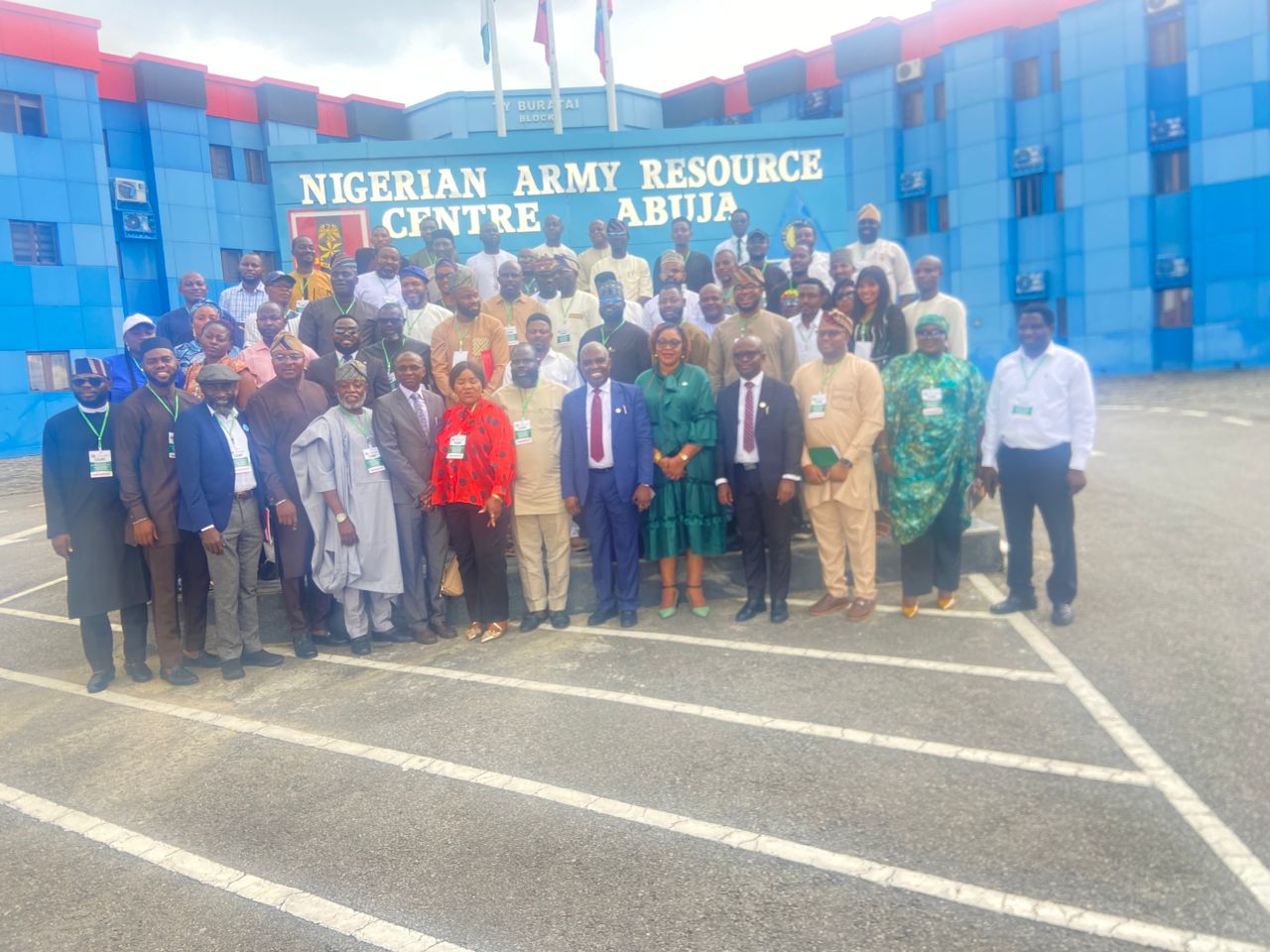
This was the focus of a one-day capacity-building workshop held in Abuja on Wednesday, organized by the New Era for Sustainability Leadership and Accountability Initiative (NESLAI). The event brought together stakeholders from government, the private sector, and civil society engaged in financial governance and oversight.
Representing the FRC Executive Secretary/Chief Executive, Dr. Rabiu Olowo, the Council’s Coordinating Director, Mr. Titus Osawe, said the Council values partnerships with groups aligned with its mandate.
“At the Financial Reporting Council, we monitor compliance with financial reporting standards, corporate governance, and sustainability codes. When we see an organization like NESLAI ready to push this narrative through advocacy, we are keen to collaborate,” he said.
Osawe emphasized the role of civil society in stakeholder engagement and capacity building, recalling that CSOs were instrumental in drafting the 2018 Nigerian Code of Corporate Governance. He further revealed that CSOs are also actively involved in developing a governance code for not-for-profit organizations, expected later this year.
In his remarks, Comrade Edwin Oluwafemi, Executive Director of the Network for Legislative Strengthening and Accountability Initiatives (NELSAI), said civil society groups are key actors within Nigeria’s accountability framework.
“Your role in bridging government, the private sector, and communities gives you a unique position to influence compliance with financial reporting standards across the board,” he noted.
Oluwafemi reminded participants that transparency and corporate governance are legal obligations under the FRC Act 2011 and the Companies and Allied Matters Act (CAMA) 2020.
Program Coordinator, Comrade Richard Otitoleke, explained that the initiative aims to build the technical competence of credible CSOs to monitor compliance and hold institutions accountable.
Participants described the training as timely. Comrade Opanachi Jacob, National Coordinator of the Africa Poverty Alleviation Initiative, said the workshop would help CSOs close knowledge gaps in monitoring procurement processes and reducing corruption.
Chief Ogakwu Dominic of the Civil Society Groups for Good Governance (CSGGG) added that accountability extends beyond government institutions.
“Every company listed on the stock exchange needs to be accountable to Nigerians. Corporate governance is essential—you cannot say, because it is your private business, citizens should not ask questions,” he stated.
Disclaimer
Comments expressed here do not reflect the opinions of Vanguard newspapers or any employee thereof.