By Rita Okoye
The healthcare industry is integral to human well-being, offering essential life-saving services for decades.
Recently, concerns have intensified over the quality of care relative to its cost and the speed of service delivery.
To address these issues, industry stakeholders and experts are turning to technology and innovation to optimize healthcare processes.
The integration of cutting-edge technologies has brought transformative improvements across the sector, from streamlining supply chains and enhancing patient care to improving medication management and diagnostics.
These advancements are not only driving higher-quality healthcare services but are also ensuring value for patients while significantly reducing delivery times.
By leveraging technology, the healthcare industry is making strides toward more efficient and accessible care for all. While this is advancing healthcare delivery in the developed world, Africa is yet to take advantage of this strategy.
Healthcare process improvement projects in Africa face a range of challenges that require innovative and context-specific solutions. Addressing these issues is crucial to improving service delivery and patient outcomes.
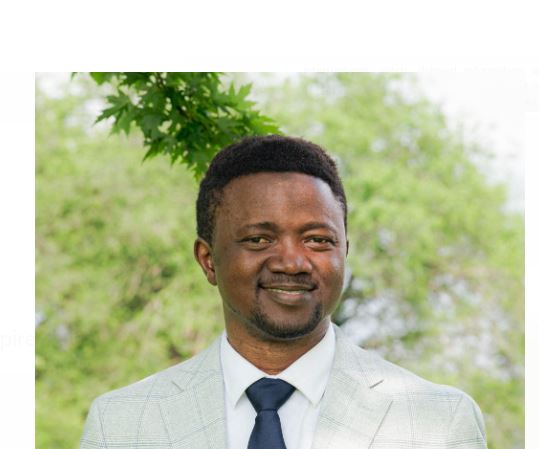
A research that was published recently highlighted methodologies that enhance the success of this implementation. In a chat with the author of this research, Olalekan Ajayi-kaffi a graduate of Master of Science in Project Management in the United States, certified Project Management Professional (PMP) and Professional Scrum Master (PSM I) with years of experience managing technical projects.
The excerpts from our discussions on healthcare improvement projects in Africa is presented below:
Key Challenges in Healthcare Process Improvement in Africa
Healthcare projects in Africa face challenges such as inadequate funding, outdated infrastructure, and inefficient workflows. These issues are worsened by a lack of trained personnel and inconsistent healthcare policies. My research demonstrates that incorporating lean management practices, such as streamlining patient registration processes, and investing in telehealth can mitigate these challenges while optimizing resource allocation.
Managing Resource Scarcity
Resource scarcity limits access to essential equipment, medications, and trained professionals. To address this, project managers should prioritize critical needs using tools like cost-effectiveness analysis. For example, in one of the healthcare facility improvement projects I studied, the adoption of low-cost diagnostic tools and solar-powered health centers significantly improved service delivery within constrained budgets.
Managing Budget Constraints
Resource limitations necessitate prioritization through detailed cost-benefit analyses and leveraging technology to maximize efficiency. In my research, optimizing patient flow and integrating telehealth solutions proved effective in improving service delivery within constrained budgets.
Addressing the Shortage of Skilled Healthcare Personnel
The shortage of skilled healthcare workers is a persistent challenge and very broad problem in Africa, but let’s look at it from the project perspective. One solution is leveraging task-shifting, where non-medical staff are trained to handle basic healthcare tasks, freeing up doctors for complex cases. Additionally, online training platforms and partnerships with global institutions can upskill local talent. I’ve observed that integrating e-learning tools in healthcare projects significantly reduces training time and costs while improving project outcomes.
Cultural Dynamics and Their Impact
Cultural beliefs and practices often influence patient behaviors and project outcomes in general. For example, resistance to vaccination programs or telemedicine solutions can arise due to mistrust or misinformation. Engaging community leaders and implementing culturally sensitive communication strategies can bridge these gaps. My research highlighted the importance of tailoring outreach programs and choosing proper methodology to align with local customs can foster higher acceptance rates.
The Role of Government Policies
Frequent changes in healthcare policies and regulations disrupt project continuity. For instance, abrupt shifts in funding priorities can halt ongoing initiatives. Collaborating with government agencies during the project planning phase and aligning goals with national healthcare agendas can minimize policy-related risks. Weak governance structures lead to delays and scope creep due to regulatory uncertainties. Transparent stakeholder engagement and adherence to global project management standards, such as PMI’s PMBOK framework, could mitigate such risks. As a project manager, engaging policymakers early ensured regulatory compliance and sustained project funding.
Technology Adoption in Healthcare Projects
Technology adoption, while transformative, faces barriers such as cost and digital literacy gaps. Mobile health (mHealth) solutions, such as SMS-based appointment reminders, have proven effective in low-resource settings. My research demonstrated that integrating mHealth platforms increased patient follow-up rates by 40%, reducing missed appointments in primary care facilities. These are areas where government policies and infrastructure provision are critical to enhance process improvement.
Role of Data Management in Healthcare Process Improvement Projects
I am an advocate of using technology innovation as a tool to drive process improvement. Accurate data is essential for decision-making but is often lacking in African healthcare systems. Poor data quality hampers monitoring and evaluation efforts. Implementing electronic health record (EHR) systems and training staff on data entry protocols improves data reliability. In one case study, introducing EHR reduced documentation errors by 50%, improving patient care outcomes. This is a proven technology in developed countries, Africa should be looking to innovate on a scale that aligns with the level of infrastructure development plan, this kind of technology helps improve infrastructure because you want to meet up with the requirement.
Addressing Socioeconomic Challenges
Poverty and digital illiteracy limit user adoption, particularly for health-tech projects. Addressing these challenges requires user-centric design, localized training, and partnerships with community organizations to bridge the digital divide.
Mitigating Risks in Healthcare Projects
Major risks include political instability, currency volatility, and talent shortages. Mitigation involves scenario planning, establishing robust contracts, and investing in workforce upskilling programs aligned with project demands. Political instability disrupts project implementation, particularly in conflict-prone regions. For example, facility upgrades may be delayed due to safety concerns. Establishing contingency plans, such as remote monitoring systems, and partnering with local NGOs can ensure project continuity.
Overcoming Resistance to Change
Resistance often stems from fear of the unknown or skepticism about new workflows. Stakeholder engagement is key to overcoming this. By conducting change management workshops and providing hands-on training, staff become more receptive. My research found that creating pilot programs where stakeholders see tangible benefits firsthand reduces resistance and accelerates adoption. Effective communication channels mitigate mismanagement. Agile communication frameworks like daily stand-ups and stakeholder dashboards enhance collaboration, ensuring clarity amid dynamic market conditions.
The Importance of Partnerships
Public-private partnerships (PPPs) are critical for pooling resources and expertise. For instance, collaborations with private technology firms can bridge funding and knowledge gaps. In one project I examined, a partnership with a telecom company facilitated the deployment of telehealth services in rural areas, increasing patient reach by 50%. That is the opportunity Africa should be exploring, government funding may not be enough to meet the infrastructure required for effective delivery.
Lessons Learned from Healthcare Process Improvement Projects
Key lessons I learnt from my research that can benefit Africa include the importance of flexibility in project management and the need for context-specific solutions. Projects must be tailored to local challenges, such as unreliable infrastructure and cultural nuances. Additionally, emphasizing sustainability by training local staff ensures the longevity of improvements. In my research, empowering community health workers proved pivotal in sustaining gains from process improvement initiatives.
Recommendations for Improving Project Outcomes
Investing in technology infrastructure, fostering local talent through capacity-building initiatives, and adopting globally recognized methodologies such as Agile for its adaptive nature enhance project success rates. Collaborative ecosystems involving governments, NGOs, and private sectors are vital to overcoming systemic challenges.
You may want to check out his published paper online titled: Is Agile Methodology Better Than Waterfall Approach in Enhancing Effective Communication in Healthcare Process Improvement Projects?
Disclaimer
Comments expressed here do not reflect the opinions of Vanguard newspapers or any employee thereof.