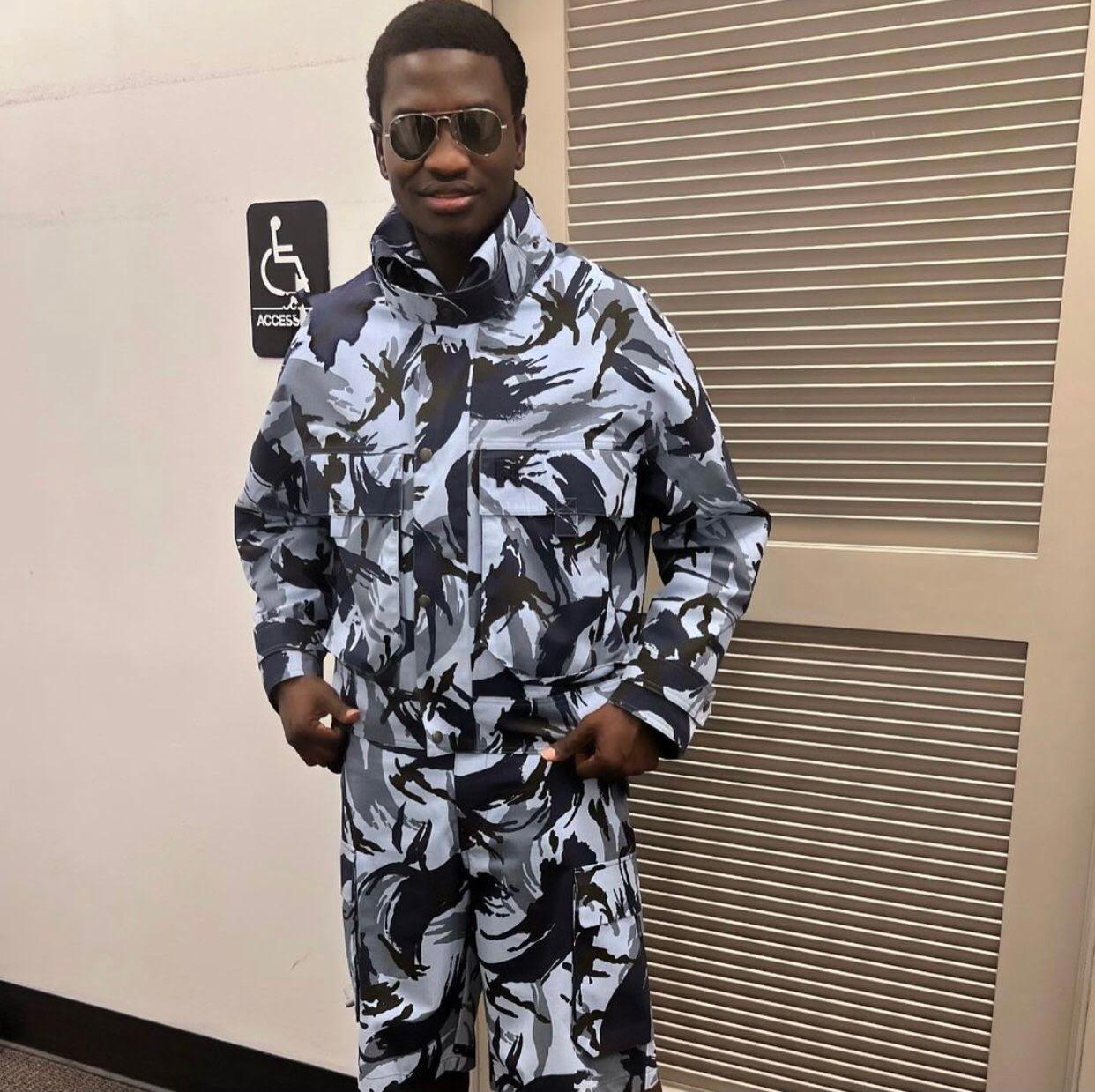
There are more than enough proofs that dreams come true; and they are why people fearlessly chase their ambitions to anywhere they will see them become reality.
The journey to the fulfillment would not be devoid of obstacles and discouragement. Many will advice that the pursuit is unrealistic and encourage the easy path to happiness and fulfillment.
But Babalola Otitoju Joseph, a Nigerian-born American model, popularly known as Joseph Water, defiled all the odd to achieve his dream.
Joseph Water left Nigeria eight years ago at the age of 20, and in the glare of the world, he featured on the runway of the New York Fashion Week and graced the covers of glamour magazines such as Krave and Slay.
“I can’t miss out on the importance of believing in oneself. The modelling industry has taught me that you need to believe in yourself before anyone else will. Self-worth and confidence are infectious — once you fiercely believe in yourself, a lot of things will align. It doesn’t matter who likes your style, others will just love you because people love where worth is exuded”, he said about how far he has come.
The fashion freak also revealed how he was able to handle rejection in the industry.
“I’ve learned to deal with rejection. Rejection feels awful but it is a basic part of human relationships, and we must adapt to receiving rejection in a healthy way that doesn’t militate our esteem. Sometimes, stylists look for people with certain features and physical idiosyncrasies like hair colour, skin colour, height, and all that, and when I didn’t fit into those specs, I had to understand that it wasn’t about me”, added Joseph Water,
Speaking further, Joseph Water, said,
“Just because someone prefers mangoes doesn’t mean that there aren’t people who prefer oranges. I’ve had to build my confidence such that when I’m rejected for a gig, based on physical features, I know it just wasn’t meant for me”.
Joseph Water added: “My big lesson about racism in America borders around how some white people act as if they are oblivious to the existence of racism, and how they are passive regarding conversations that are particular to racial inequality. I find it utterly disturbing as they refuse to acknowledge their white privilege and how it has been institutionalized.”
Disclaimer
Comments expressed here do not reflect the opinions of Vanguard newspapers or any employee thereof.