By Nnasom David
Founder of Movement Beyond Walls, Pelemo Nyajo, has decried the continued exclusion of persons with disabilities (PWDs) in Nigeria, describing them as “an afterthought” in governance, infrastructure, and social systems.
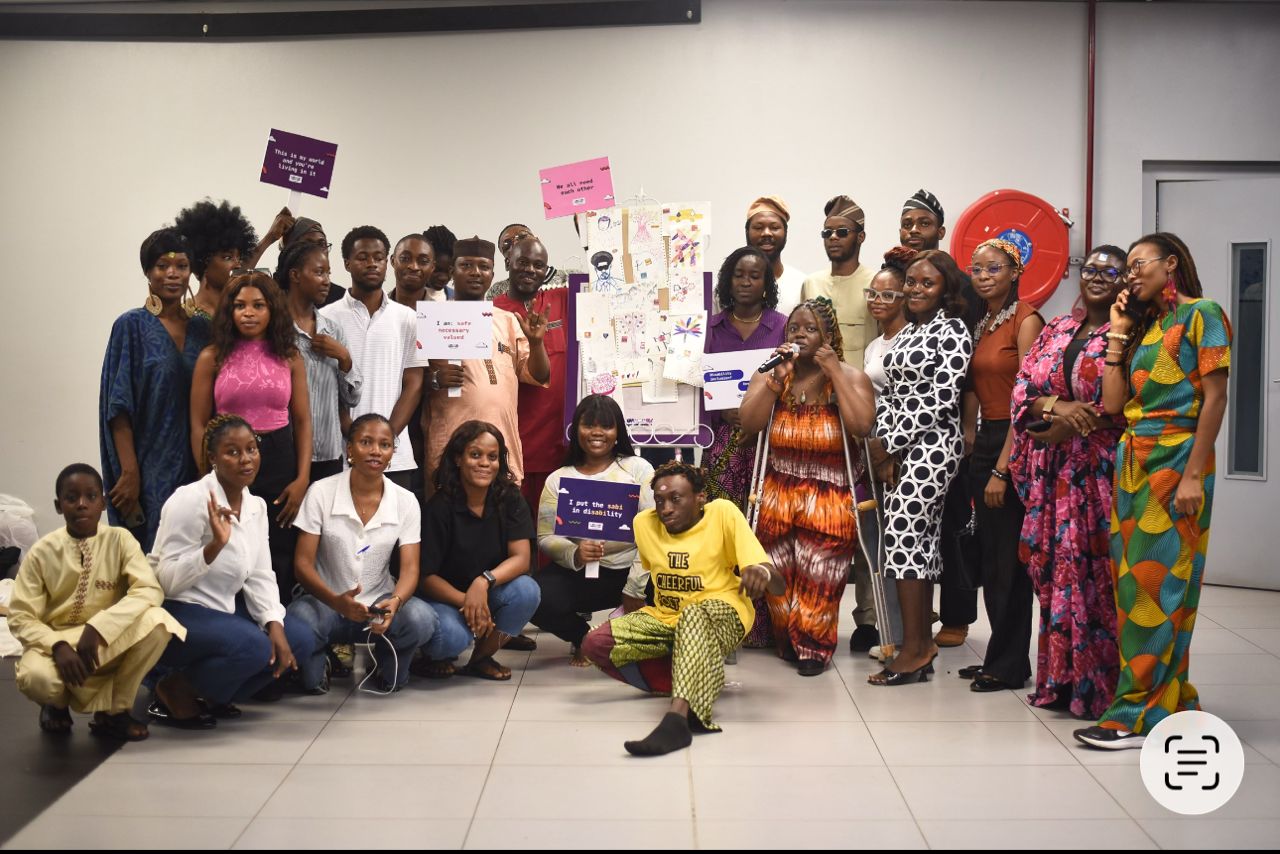
Nyajo made this known while speaking with Vanguard at the sidelines of an inclusion-focused event, which brought together young people with and without disabilities to promote social inclusion through art and interactive engagement.
According to her, Movement Beyond Walls is a creative initiative designed to bridge the gap between persons with disabilities and the wider society, particularly among young people.
“A lot of people do not understand disability inclusion. It feels foreign to them, and many still see disability as a taboo. We are trying to create allies; people who understand inclusion and persons with disabilities who believe in themselves,” she said.
She noted that beyond legal frameworks, social inclusion remains largely neglected, stressing that meaningful interaction among people is key to changing perceptions and building empathy.
Nyajo criticised the implementation of Nigeria’s Disability Act, stating that while the law exists, it is rarely enforced.
“Persons with disabilities are not fully considered, even in national budgeting or government priorities. Infrastructure remains inaccessible; public buildings, recreational centres, and even basic facilities like bathrooms exclude wheelchair users,” she added.
She further identified societal attitudes, including prejudice and ableism, as major barriers, noting that many still doubt the capabilities of persons with disabilities.
Speaking on expectations from the government, Nyajo called for urgent implementation of the Disability Act and a shift from short-term palliative measures to sustainable empowerment.
“It’s not just about giving out aid. We need systems that ensure independence for persons with disabilities. Accessibility, representation, and grassroots inclusion must be prioritised,” she said.
Also speaking, disability inclusion advocate and visual archivist, Eva Chukwunelo, described the event as a platform for fostering understanding and connection between people with and without disabilities.
“It creates a bridge where people can understand and relate with each other better. Inclusion starts with understanding,” she said.
Chukwunelo urged the government to move beyond policy declarations to practical implementation.
“Since 2018, we’ve talked about the Disability Act, but institutions are still inaccessible. It’s time to move from paper to action,” she added.
In her remarks, development activist Maureen Alor described the gathering as a true representation of a “safe space,” where participants could freely connect and express themselves without fear of judgment.
“I’ve found a sense of belonging here. This is what a real safe space should look like; where people are allowed to be themselves and connect genuinely,” she said.
The event highlighted the need for stronger advocacy, inclusive policies, and deliberate efforts to create environments that accommodate all individuals, regardless of physical ability.
Disclaimer
Comments expressed here do not reflect the opinions of Vanguard newspapers or any employee thereof.