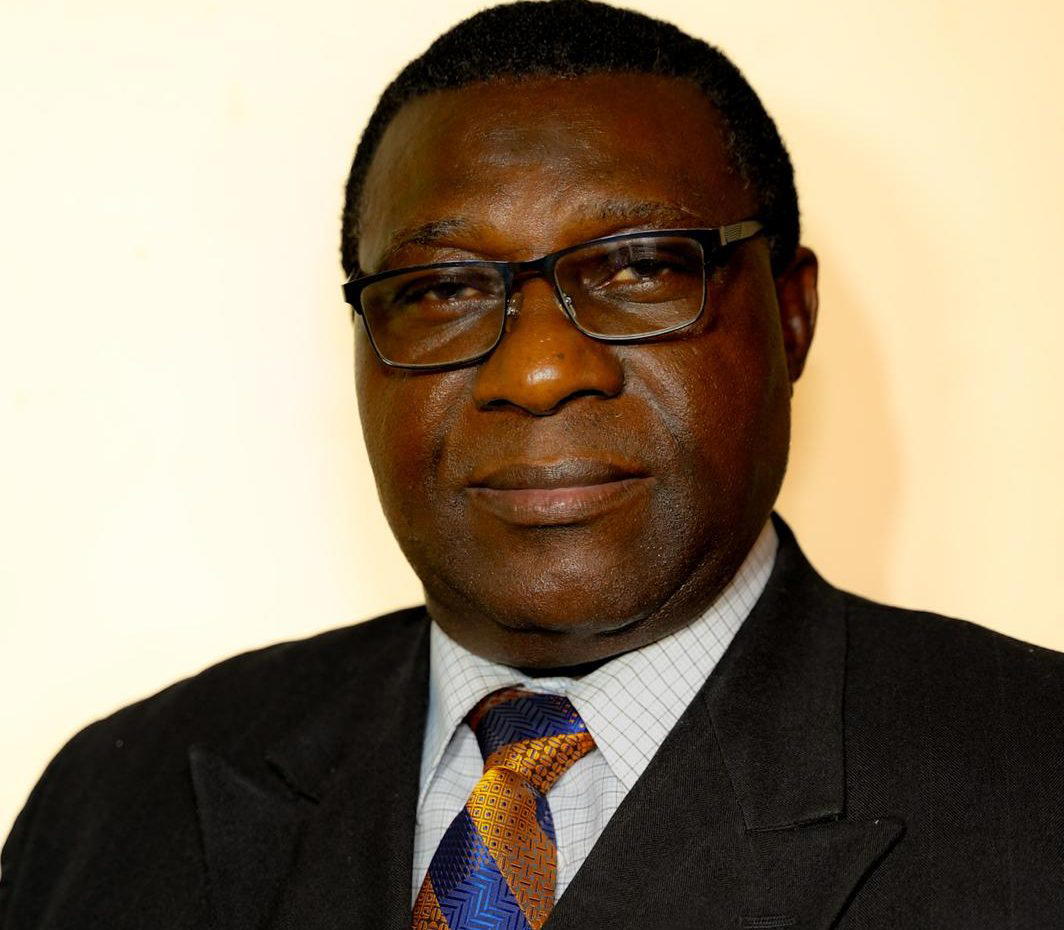
By Prof. Mannixs E. Paul
Nigeria is facing one of the most difficult periods in its security history. From terrorism and insurgency in the Northeast to kidnapping and banditry in the Northwest, and from farmer-herder conflicts in the Middle Belt to rising urban crime in major cities, the country has become increasingly unsafe. These threats have weakened public trust in the government’s ability to protect its citizens, and they continue to slow down economic growth and development. The Nigeria Police Force, which operates as a centralized federal institution, has struggled to keep pace with these challenges. President Bola Ahmed Tinubu’s support for the establishment of state police is therefore both timely and necessary. Decentralizing policing is not a matter of luxury but an unavoidable step toward strengthening Nigeria’s internal security system.
The Nature of Nigeria’s Security Challenges
Insecurity in Nigeria is not uniform; it differs from region to region. In the Northeast, Boko Haram and the Islamic State in West Africa Province (ISWAP) continue to terrorize communities, destroy infrastructure, and displace millions of citizens. In the Northwest and parts of the North-Central, heavily armed bandits raid villages, kidnap travelers, and demand ransom, leaving rural dwellers in constant fear. The Middle Belt remains a hotspot for farmer-herder clashes, where disputes over land and water resources often escalate into violent conflict. Meanwhile, in major urban centers such as Lagos, Abuja, and Port Harcourt, crimes such as armed robbery, cyber fraud, and gang violence are on the rise.
The diversity of these threats makes it impossible for a single, centralized police force to respond effectively. Officers deployed from Abuja may not understand local languages, cultural dynamics, or terrain, which often makes their operations slow and ineffective. Nigeria’s current policing model leaves many communities exposed, while overstretching the limited capacity of federal officers.
Why State Police Has Become Necessary
One of the strongest arguments for state policing is that it brings law enforcement closer to the people. State police units would be recruited from within the communities they serve, giving them a better understanding of local dynamics and the trust of residents. A policeman who speaks the local language and knows the history of community disputes is better placed to gather intelligence and defuse tensions before they escalate.
Decentralized policing would also improve efficiency. Today, federal police are burdened with responsibilities ranging from counterterrorism to managing local traffic disputes. With state police in place, responsibilities would be shared: federal officers could focus on national and cross-border crimes, while state police handle localized threats. This arrangement would relieve the pressure on the federal force and enhance overall performance.
Beyond effectiveness, state police also reflect the principles of federalism. Just as states are allowed to govern education, health, and transportation within their jurisdictions, they should have a role in protecting their residents. Security is too important to be handled exclusively from Abuja.
Benefits of State Policing
The benefits of state policing go beyond improving security responses. Communities are more likely to trust officers who are recruited locally. This trust is critical for intelligence gathering, as residents will be more willing to share information when they believe the police represent their interests. State police would also give governors and local leaders greater flexibility to allocate resources according to their unique security needs, whether that means investing more in rural patrols, urban surveillance, or conflict mediation.
Most importantly, state policing can create jobs and professional opportunities for young people, reducing unemployment and giving them a stake in maintaining peace. A police force drawn from local communities would be seen as part of society rather than an external authority.
The Downsides and Risks
Despite the potential benefits, state policing is not without risks. The biggest fear is that governors could misuse the police as a tool for political intimidation, harassing opposition parties or silencing critics. Such misuse would undermine democracy and human rights. Another risk is financial sustainability. Some states already struggle to pay salaries and fund infrastructure; creating and maintaining a police force would add to their financial burden. If poorly funded, state police could become ineffective or easily corruptible.
There is also the challenge of coordination between federal and state police. Without clear rules, jurisdiction conflicts could arise, leading to rivalry rather than cooperation. This would weaken, rather than strengthen, national security.
The Need for Oversight and Safeguards
To minimize these risks, strong accountability measures are essential. Every state should establish an independent civilian oversight board responsible for monitoring police conduct, investigating complaints of abuse, and ensuring transparency in operations and funding. These boards should be composed of credible individuals from civil society, religious institutions, academia, and professional associations. Their role would be to serve as a bridge between the people and the police, making sure the force serves the public interest rather than political elites.
Equally important is the need to design legal and institutional safeguards that prevent governors from using state police as private militias. Recruitment, promotion, and disciplinary procedures must be transparent and protected from political manipulation.
Harmonizing State and Federal Police
For state policing to succeed, cooperation with the Nigeria Police Force must be institutionalized. The federal police should continue to focus on national threats such as terrorism, organized crime, and inter-state offenses, while state police concentrate on community and intra-state matters. Joint training programs can ensure consistency in professional standards, while shared communication systems can promote information sharing. By clearly defining roles, Nigeria can prevent rivalry and instead encourage synergy between the two levels of policing.
Conclusion
The establishment of state police in Nigeria is no longer a question of whether it should happen, but how it should happen. Insecurity has reached a level where the current centralized system can no longer cope. State police offer an opportunity to bring law enforcement closer to the people, improve trust, and enhance responsiveness to local challenges. However, without proper safeguards, the risks of political abuse, financial strain, and jurisdictional conflict could undermine the system. Civilian oversight, clear legal frameworks, and strong collaboration between state and federal forces are therefore essential. If Nigeria gets this balance right, state policing could mark a turning point in the nation’s long struggle for peace, security, and unity.
Prof. Mannixs Paul, Global Chairman of the Chartered Examiners of Criminology and Forensic Investigation (USA) and President of Uniworld Corporate Investigation and Security Specialists LLC, is a distinguished scholar-practitioner, seasoned researcher, licensed private investigative practitioner, and respected management consultant. He writes from New York.
Disclaimer
Comments expressed here do not reflect the opinions of Vanguard newspapers or any employee thereof.