By Femi Bolaji
The Livestock Productivity and Resilience Support (L-PRES) Project has raised alarm over the growing public health risks posed by unhygienic slaughterhouses and inadequate meat inspection practices. According to the project, such lapses not only threaten animal health but also endanger human lives through the spread of zoonotic diseases.
At a training workshop on best practices in meat inspection and abattoir management held on Tuesday, the Taraba State Coordinator of the World Bank-supported project, Hananiah Albert, emphasized the need for strict hygiene in the meat processing chain.
“The safety and quality of the meat we consume depend heavily on what happens before, during, and after slaughter,” he said.
“This is why meat inspection must be taken seriously, and abattoirs must be properly managed in line with both national and international standards to curb diseases such as tuberculosis, anthrax, and brucellosis.”
Albert noted that meat inspection and abattoir management go beyond technical procedures, describing them as vital pillars for food safety, disease prevention, public health protection, and consumer trust.
He commended the Taraba State Government for its ongoing efforts to modernize the livestock sector and enhance food safety infrastructure.
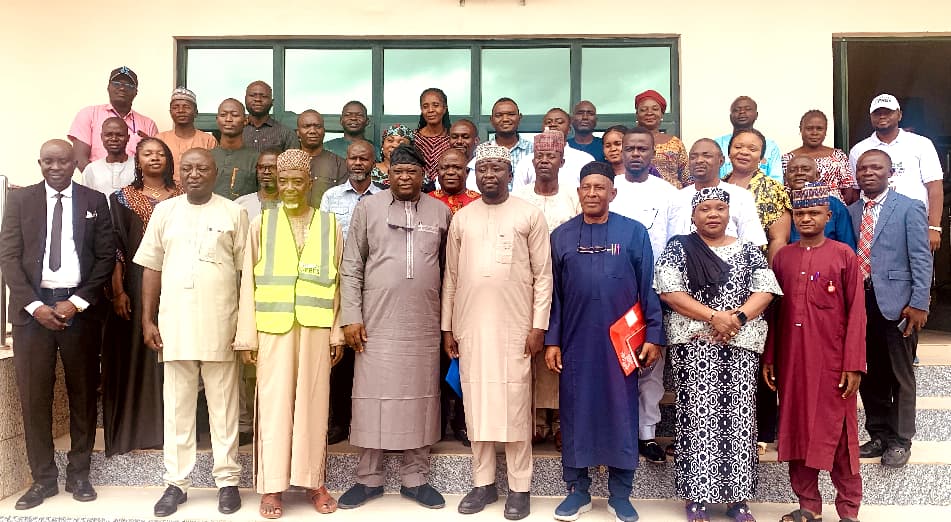
The training brought together meat inspectors and abattoir managers from all 16 local government areas of the state. According to Albert, the goal is to equip participants with standardized hygiene protocols, up-to-date inspection procedures, and modern abattoir management skills.
“This training is a deliberate step to empower frontline meat inspectors, veterinary officers, and abattoir workers with knowledge and tools to ensure consistency, efficiency, and safety in meat processing,” he added.
Also speaking at the event, Taraba State Commissioner for Agriculture and Food Security, Prof. Nicholas Namessan, emphasized that food safety is now a top priority for the state.
“Meat is one of the most widely consumed animal products in our state. With our growing population and rapid urbanization, demand is increasing,” he noted.
“But with this increased demand comes a greater responsibility to ensure that the meat our citizens consume is wholesome, hygienic, and disease-free.”
Prof. Namessan urged participants to take the training seriously, calling them “key drivers of safe livestock consumption in Taraba.” He also reaffirmed the government’s commitment to expanding the livestock value chain and sustaining its partnership with L-PRES.
Disclaimer
Comments expressed here do not reflect the opinions of Vanguard newspapers or any employee thereof.