By Dapo Williams
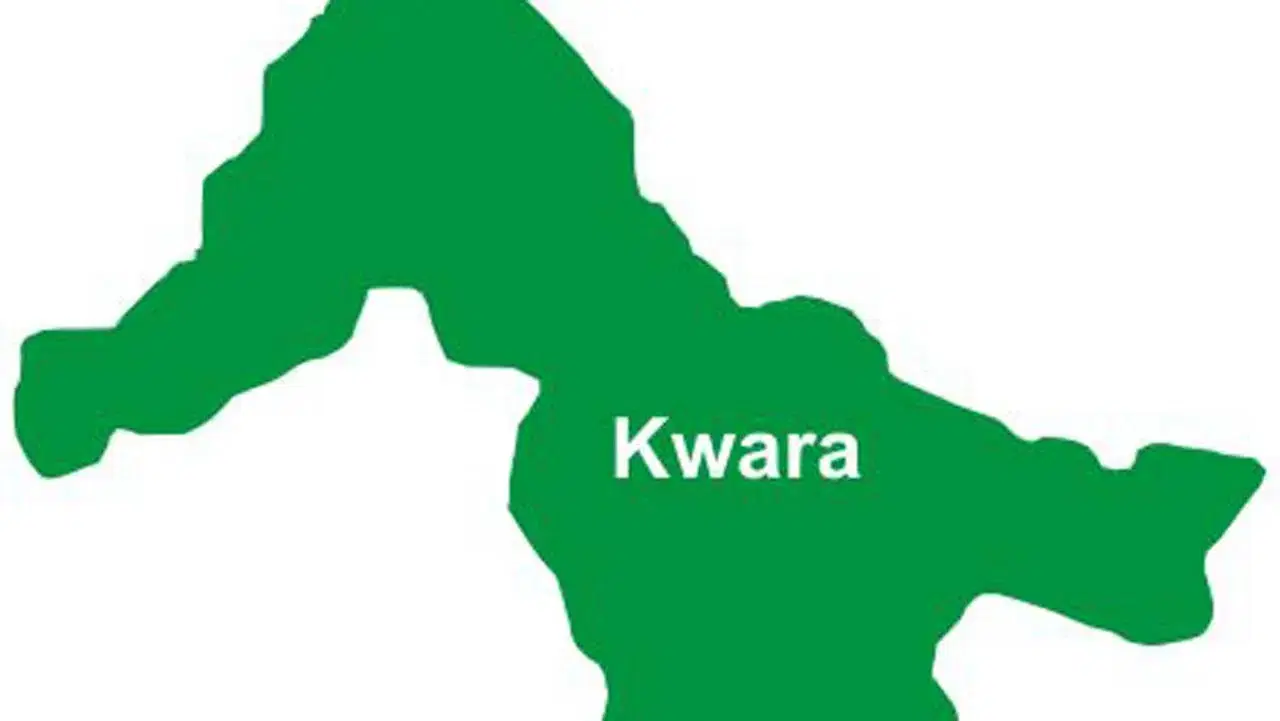
On the 27th of May, 1967, the then Federal Military Government of retired General Yakubu Gowon, broke the four regions that then constituted the federation of Nigeria into twelve states, Kwara State, the state of Harmony, was one of the states that was created. At its creation, the state was made up of the former llorin and Kabba provinces of the then Northern region, and was initially christened the West Central State, but was later changed to Kwara, a local name for the River Niger.
Of all the thirty-six state in Nigeria, Kwara is the sixth least populous with an estimated population of about 3.2million people, as at 2016. The sobriquet, State of Harmony, is such a perfect byname as the state is reputed for hospitality, and it is the gateway between the South and the North. Kwara is no doubt one of the religious states in Nigeria, as this is evidently palpable in the serenity and tranquility of things within the state. The people of Kwara are very courteous and charitable, both in conduct and character.
Unlike some other states, Kwara is not ethnically homegenous- in tongues and tribes. The state is made up with mostly three major ethnic groups who are indigenous to it. Yoruba(which is the majority), Nupe, Baruba, and Fulanis(minorities). The people of Kwara are heavily industrious in active farming with interest in principal crops like cotton, cocoa, coffee, kolanut, tobacco, benseed, palm produce, industries and services, livestock herding and ranching of cattle, goats, fishing and sheep.
As a north central state, it receives goods and other services from the north and south, and little wonder the cost of living in Kwara is bearable and affordable. And one admirable thing that one can not take away from Kwara is cleanliness which they say is next to godliness, and Islam enjoins that Muslims are encouraged to maintain cleanliness in all aspects of their lives, from personal hygiene to environmental cleanliness because this promotes spiritual purity, health, well-being, respect for oneself and others, and social interactions.
Politically, there is a huge disparity and inequality in Kwara. As stated by the Nigerian constitution, Kwara has three senatorial districts namely: Kwara Central, Kwara South, and Kwara North. Of all the aforementioned senatorial districts, it is only Kwara North that has never had the taste of the executive pudding- since the advent of democracy in 1999, which is almost twenty-five years now, Kwara North extraction has never presided over the affairs of the state.
To be more succinct, former governor Admiral Lawal Mohammed, who was the first civilian governor ruled state between 1999-2003, from the Central; and he was succeeded by former Senator Bukola Saraki, who ruled the state between 2003-2011, from the Central; former governor AbdulFatah Ahmed, from the South ruled between 2011-2019, before the O’toge struggle that eclipsed the Saraki’s political dynasty.
The O’toge movement in 2019 birthed the present day government of governor AbdulRahman AbdulRasaq, who mounted the leadership saddle five years ago and he is also from the Central. One may say it is needless to be championing an argument of this nature at this material time but for the sake of justice, equality and equity, it requires a laborious advocacy of what is sauce for the goose is also sauce for the gander.
•Williams, a Public Affairs Commentator, wrote in from Ilorin, Kwara State
Disclaimer
Comments expressed here do not reflect the opinions of Vanguard newspapers or any employee thereof.