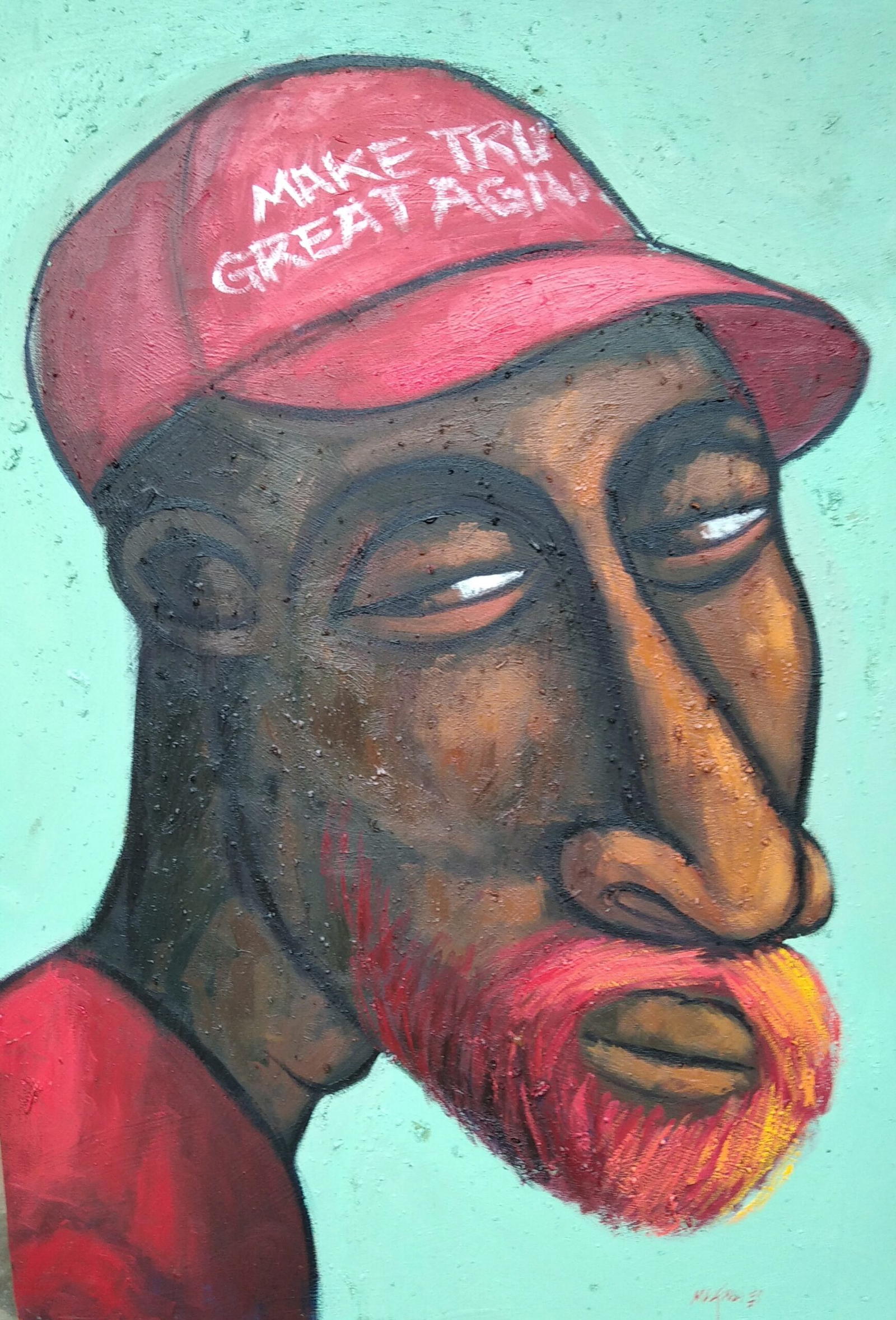
By Muyiwa Akinwolere
Art, expression, has played a significant role in the history of the tribes and cultures that make up modern-day Nigeria. Post-colonial Nigerian art has evolved significantly in the 61 years since Nigeria’s independence, so much so that we might argue for the art industry as the most evolved aspect of ‘Nigeria’.
With the emergence of generations of new Artist’s, methods, and equipment, contemporary Fine Artists have gained even more creative liberty. The result has been an increase in how we can tell stories and talk about culture. Whether we have been able as a nation to maximize this evolution for storytelling or not, is a discussion for another day.
Before the year 1960, when a lot of African countries gained independence, a new consciousness was making its way into the cultural and political landscape in Africa. The rejection of western values and culture while embracing national ideals was propagated by intellectuals who were overburdened by the colonial toga of the west. Leopold Sedar Senghor, the late Senegalese poet, and politician created the concept of Négritude, an important intellectual movement that sought to assert and to valorise what they believed to be distinctive African characteristics, values, and aesthetics.
READ ALSO: EX-MINISTER ALHASSAN: Fond memories, by Gov Ishaku, PDP, others
Négritude is the simple acknowledgment and acceptance of the fact of being black, of our destiny as Black people, of our History, and of our Culture.” Negritude as defined by Léopold Sédar Senghor is “the sum of the cultural values of the black world as they are expressed in the life, the institutions, and the works of black men.”
During the period of Nigeria’s independence leading up to and after 1960, Artists were exploring a newfound identity, characterized first by the narrative on freedom and then self-actualization. This exploration was so profound that pre-colonial and colonial-era Artists and Artistes are still among Nigeria’s most revered both at home and abroad.
Fast forward to the 21st century. While the explorations on identity have continued, influenced by exposure from globalisation, Négritude has been relegated to history; a tragedy realised by a longstanding institutional disinterest in history.
A current trend in contemporary figurative art depicts African figures in silhouette dark-coloured portraits against bright, contrasting backgrounds. This form of artistic expression has gained in popularity over the past 4 years, evolving from a previous trend of depicting figures in somewhat distorted and near-abstract representations.
These trends and the interest from emerging artists in the ideas that make up our time today, reflect the ongoing struggle to define identity. A struggle that is currently pulled between the international market, history, and a national identity threatened factors we will leave to your imagination.
In the struggle for the soul of Africa and the variety of cultures that make up her Countries, Art needs to be about creating and making, rather than production. Contemporary Nigerian Artists today have a difficult task on their hands, balancing out this triage in their efforts at storytelling and continuing the thought-line through time.
Muyiwa’s body of work explores these trends both inside and outside Nigeria, to understand how these relate to neo-colonialism and the struggle for identity. His approach deploys humour and sarcasm in a discussion on the direction of Nigerian contemporary art.

Disclaimer
Comments expressed here do not reflect the opinions of Vanguard newspapers or any employee thereof.