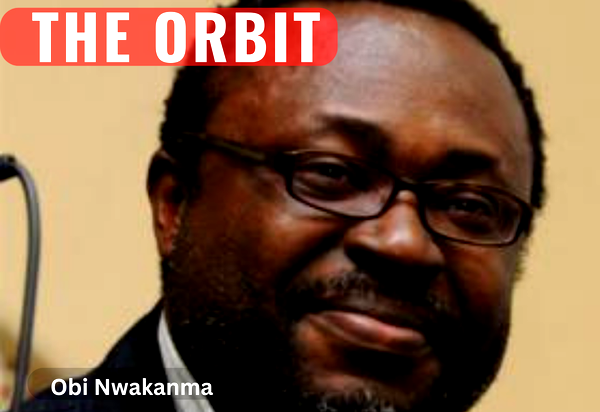
If I am governor in Imo…, by Obi Nwakanma
As the Hope Uzodinma administration winds down in Imo, there is a frenetic search for a new governor who will take the oars and steer the state towards what was its original destination – prosperity, stability, and security. That is, towards new opportunities, and towards that which has been denied them since the fourth republic. […]

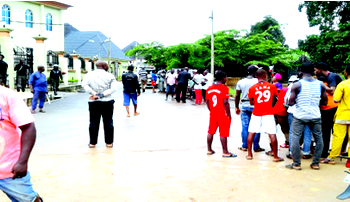



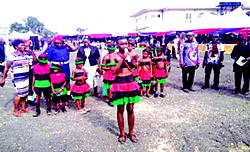

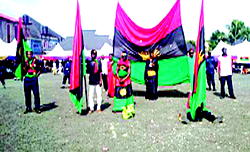
The South East/South-South meet in Owerri
I arrived, Thursday morning in London, for the “Legacies of Biafra” conference at the School of African and Oriental Studies in London. Part of the highlights of the program was the “Obi Nwakanma in Conversation with Olu Oguibe” event at SOAS on Friday afternoon, and my talk on “Okigbo’s War: Biafra and Afterwards” yesterday. More on this later. But on Thursday evening, as part of the opening of the events, was the showing of a documentary on the Asaba massacres, one of the most deadly events of the civil war. Again more on this next week, when I shall, I promise, give a fuller account of the conference at SOAS.

Sanusi’s duty
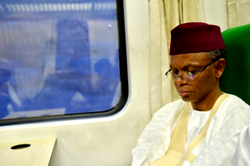
Sanusi Lamido Sanusi, Emir of Kano, is an Islamic modernist and reformist. I arrive at this conclusion by the sheer weight of his contributions to contemporary Islamic thought, particularly on the question of Islamic Economic thought and Law, and particularly in its applications in what we now generally call “the Muslim North.” I am always a bit careful about a blanket description of the North as “overwhelmingly Muslim,” because we have no credible census to determine that. No one knows the number of Christians and Muslims living their lives daily in that part of the upper North of Nigeria.

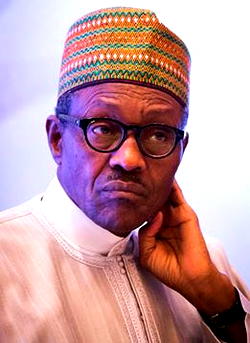
Prophets and the dark days of Muhammadu Buhari
The consequences of the president exemplifying a disregard for the courts is quite clear. Soon, ordinary citizens themselves will begin to see the court of justice as an inconsequential organ of the state, and will disregard either the courts or the rulings of the court

The myth of Fulani hegemony
There is a dangerous wave of anti-Fulani feelings across Nigeria, fanned by a scurrilous form of political populism now riding on the back of the fiction of a Fulani hegemony in Nigeria.

The president’s power is tyrannical power in Nigeria
An executive office with the kind of power it has in Nigeria is a recipe for corruption. The president is a god, and issue decrees. Such decrees may be self-serving nonetheless, and it would not matter. And such a power gives coverage to the kind of disregard functionaries appointed by the president accord the National Assembly.