Fear of electoral violence in 2027, by Tonnie Iredia
Since December 12, 1959 when the first national pre-independence elections were held in Nigeria till today, we have had no election without citizens losing sleep and remaining exceedingly anxious over electoral violence. Even the June 12, 1993 Presidential election internationally recognised as the nation’s best had its own tension. Indeed, the 1993 election was the […]

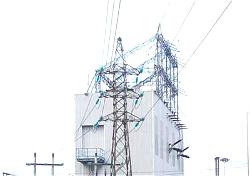
Electricity in Nigeria: A disturbing dimension
Each time Nigerians grumble over the failure of successive governments to provide them with electricity, government officials are quick at pointing out that Nigerians are impatient adding that ours is a nation seeking to enjoy within a few years in existence what the developed countries got after hundreds of years.
Using the Judiciary to win elections in Nigeria
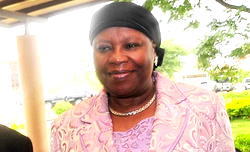
24 hours to the assumption of office of Justice Aloma Muktar as the new Chief Justice of Nigeria (CJN), this column opined that it would be difficult to stop justice for sale in Nigeria. Some readers may have at the time felt that such a ‘pessimistic’ piece on the eve of a new era was not fair. They have a point especially against the backdrop of Aloma’s personal sterling qualities.
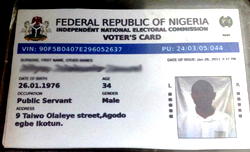
What is the value of INEC’s voter’s card?
On September 19, 2012, the chairman of the Independent National Electoral Commission (INEC), Prof. Attahiru Jega announced that his commission had commenced the printing of 40 million permanent voters’ cards. The cards would contain security features such as barcode, hologram, micro text, fingerprints, contactless/embedded chip with printed voter details and photograph. Another set of 30 million cards according to Jega would be ready by 2013.
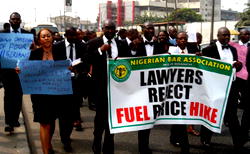
Aba lawyers: Protesters, politicians or patriots?
History records that in 1929, a massive riot against colonial maladministration was held in Aba. The protesters had many grudges.
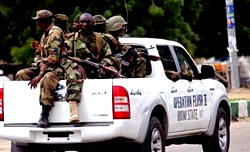
Do our soldiers have supervisors?
In a typical society, the maintenance of law and order which may involve a drastic crackdown on some elements in the society is essentially a civil matter. It is not expected to involve the military; hence most countries hardly call out their military to deal with such matters that are clearly less than war. It used to be so in Nigeria as every infraction was usually left for the police to handle.