…as the brand strengthens stakeholder understanding of food quality and safety
through value chain engagements.
By Chris Onuoha
In commemoration of the 2026 World Food Safety Day, MAGGI, a culinary seasoning brand from Nestlè engaged stakeholders across its value chain through a series of immersive experiences designed to deepen understanding of the journey from ingredients to table and reinforce the collective responsibility required to uphold food quality and safety.
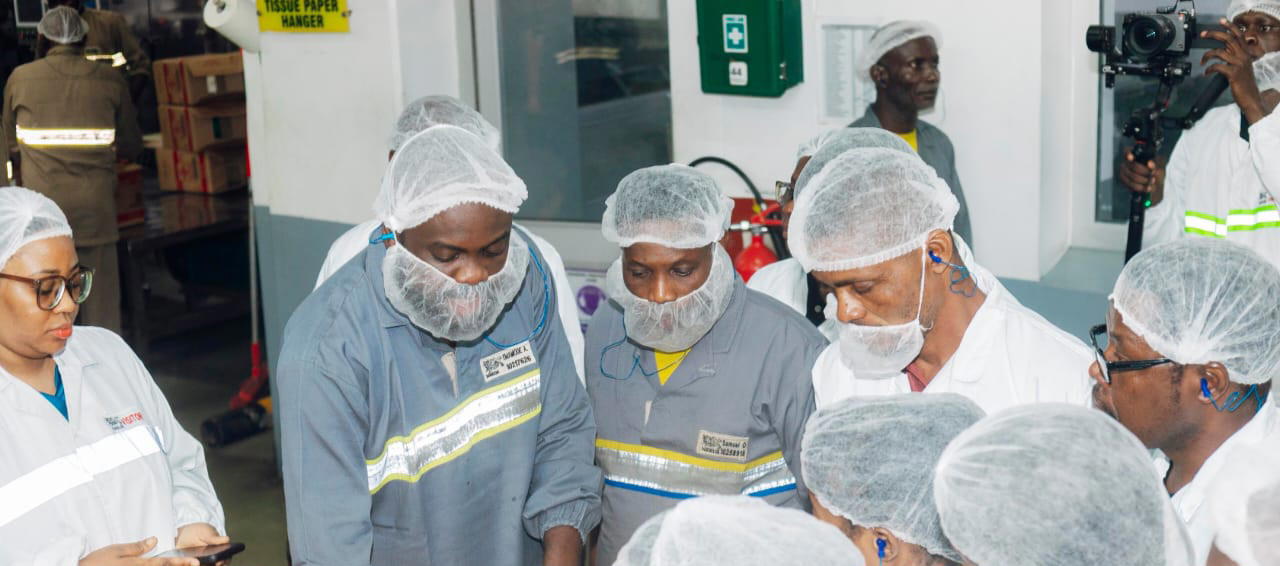
The exercise held recently in its major factory at Agbara, Ogun State, with a key highlight to observe the rigorous quality assurance and food safety systems embedded throughout the production process, brought together suppliers, distributors, consumers and media, to reflect MAGGI’s commitment to transparency and continuous stakeholder engagement.
Through interactive sessions and firsthand experiences, participants gained valuable insights into the processes, partnerships, and standards that contribute to delivering quality products to millions of Nigerian households.
The brand’s market enhancers also explored the quality requirements and manufacturing standards, with best practices in product handling, storage, and warehousing to help maintain product quality throughout the distribution chain. Consumers also had the opportunity to interact directly with experts, ask questions, and learn more about the ingredients, processes, and expertise behind MAGGI products.
The media was specifically engaged on a facility tour, where they experienced the journey of a MAGGI cube from locally sourced Soya beans ingredients to finished product, thus gaining deeper insight into how soya beans sourced from Nigerian farmers are transformed through carefully controlled fermentation processes and advanced manufacturing technology to deliver the distinctive taste, quality, and consistency.
The experience also highlighted the connection between traditional African food preparation methods and modern food manufacturing, allowing participants to explore how fermentation techniques used in MAGGI production draw inspiration from time-honoured practices familiar to many Nigerian consumers through local seasonings such as iru, dawadawa, and ogiri.
From ingredient sourcing and testing to manufacturing, packaging, and distribution, participants witnessed the extensive standards, continuous monitoring, and scientific expertise that help ensure product quality and food safety at every stage.
Speaking on the initiative, Funmi Osineye, Category Manager, Culinary, Nestlé Nigeria, stated: “MAGGI reaches millions of consumers through a value chain that includes farmers, suppliers, distributors, retailers, consumers, and many other partners. We believe quality and food safety are shared responsibilities, which is why we continuously engage stakeholders across the value chain to build understanding, strengthen collaboration, and provide greater visibility into the journey behind our products.”
“By opening our doors and creating opportunities for dialogue, we are helping stakeholders better understand the ingredients, expertise, and processes that contribute to the quality consumers have come to trust from MAGGI,” she added.
Also speaking, Talla Fall, Factory Manager, Nestlé Nigeria Agbara Factory, noted: “At Nestlé, quality and food safety are embedded into every stage of our operations. From sourcing ingredients and testing raw materials to manufacturing and packaging, our teams work diligently every day to uphold the high standards that consumers expect from MAGGI. These engagements provide an important opportunity to demonstrate the care, expertise, and rigorous processes behind every product.”
The programme also featured an interactive cooking session, where participants experienced the practical application of MAGGI products in everyday meal preparation. The session sparked engaging conversations around taste, quality, nutrition, and responsible product use, while allowing participants to experience the products firsthand.
Through initiatives such as these, MAGGI continues to foster greater transparency, strengthen stakeholder confidence, and reinforce its commitment to delivering quality products that help consumers prepare tasty and nutritious meals every day.
Meanwhile, MAGGI’s presence in Nigerian kitchens stretches back to the 1960s, when Nestlé began local distribution, and by the 1970s the yellow cube was already in millions of homes.
In 1981, Nestlé Nigeria opened its Agbara Factory in Ogun State, enabling local production that made MAGGI cheaper and more accessible.
Today, the brand is the market leader in Nigeria’s seasoning industry, with decades of loyalty and trust among consumers.
Today, the company draws supplies from over 40,000 farmers, continuing its commitment to local agriculture. Soybeans are Nigeria’s largest production in sub-Saharan Africa, and MAGGI’s process replicates on an industrial scale the traditional fermentation used for dawadawa, iru and ogiri, time-honoured Nigerian seasonings.
MAGGI also pioneered nutrition innovation. In 2009, Nestlé began fortifying MAGGI cubes with iron to combat anaemia in West Africa, a product launched after more than two years of testing; the fortified cube reached around 20 million households.
Disclaimer
Comments expressed here do not reflect the opinions of Vanguard newspapers or any employee thereof.