By Emem Akugo
Globally, liver cancer remains one of the most challenging cancers to detect early. Despite differences in healthcare systems, one reality is shared: many patients are diagnosed at advanced stages, when treatment options are limited and survival outcomes are significantly reduced. Often described as a “silent disease,” liver cancer develops gradually, with few clear symptoms in its early phases.
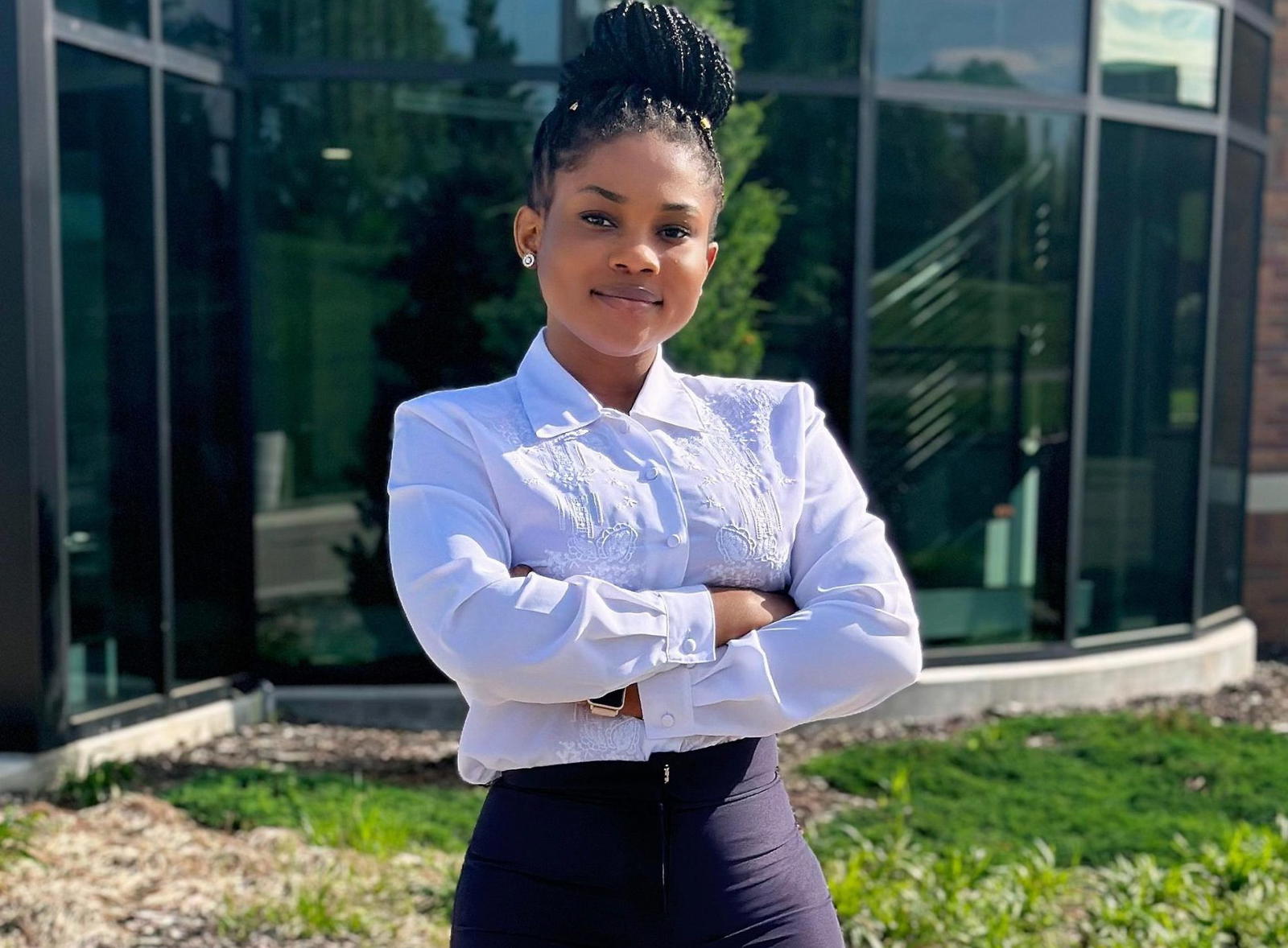
For researchers and health data specialists like Mary Oluwabusolami Odubote, this challenge represents a critical intersection between science, policy, and access to care. With experience spanning data analytics and population health, Odubote has been vocal about the need to connect scientific innovation with real-world healthcare systems especially across regions like Nigeria and the United States.
“Early detection is where the biggest gap exists,” she notes. “But it’s also where the greatest opportunity lies -if we align science with access.”
A Shared Challenge, Different Realities
In Nigeria, liver cancer is often linked to chronic hepatitis B infection, which remains prevalent due to gaps in vaccination coverage and limited routine screening. Many individuals live with the virus unknowingly for years, increasing their risk of developing liver cancer without early intervention.
In contrast, the United States sees a growing number of cases associated with non-alcoholic fatty liver disease (NAFLD), driven by rising obesity and metabolic conditions. While hepatitis-related cases still exist, lifestyle-related liver disease is becoming a major contributor.
Despite these differences, both countries face a common issue: early detection is rare. The liver’s ability to function even when damaged means symptoms often appear only when the disease is advanced. Fatigue, abdominal discomfort, or weight loss; when noticed, are easily mistaken for other conditions.
Barriers to Early Diagnosis
In Nigeria, limited access to diagnostic tools such as imaging scans and specialized blood tests poses a significant challenge. Even where services exist, awareness and affordability can delay timely screening.
In the United States, the challenge is more nuanced. While advanced diagnostic tools are widely available, screening is typically limited to high-risk individuals. This means that people who do not fall into clearly defined risk categories may not be monitored early enough.
“Access doesn’t always mean utilization,” Odubote explains. “Whether in Lagos or New York, the issue is identifying who needs screening and when.”
The Promise of Data and Predictive Models
One of the most promising developments in addressing this challenge is the use of data-driven approaches to identify at-risk individuals earlier. By analyzing large datasets; including medical histories, lifestyle factors, and demographic information, researchers can detect patterns that signal elevated risk before symptoms appear.
Odubote’s work focuses on how predictive analytics can be adapted across different healthcare environments. In the U.S., this may involve integrating electronic health records into risk models. In Nigeria, it may require more innovative approaches, such as community-based data collection and targeted screening programs.
“The goal is the same,” she says. “To move from reactive care to proactive detection, regardless of the setting.”
Science Is Closing the Gap
Advances in medical technology are also playing a key role. In the United States, emerging tools such as liquid biopsy; simple blood tests that detect cancer-related markers, are showing promise for earlier diagnosis. Artificial intelligence is also being used to analyze imaging scans with greater accuracy, identifying subtle changes that might otherwise be missed.
While these technologies are still developing, they offer a glimpse into the future of cancer detection. The challenge now is ensuring that such innovations are not limited to high-resource settings.
“There’s a real opportunity to adapt these tools for broader use,” Odubote emphasizes. “Innovation must be inclusive.”
Bridging Two Systems
The contrast between Nigeria and the United States highlights an important lesson: improving early detection requires more than technology. It demands coordination between research, healthcare delivery, and public awareness.
In Nigeria, strengthening hepatitis vaccination programs and expanding access to screening are critical steps. In the United States, refining risk-based screening and improving patient awareness can make a significant difference.
Collaboration between the two contexts; through research partnerships, data sharing, and policy alignment, can accelerate progress. Insights from one system can inform solutions in the other, creating a more unified approach to tackling liver cancer globally.
Looking Ahead
As of 2024, the fight against liver cancer is entering a new phase one defined by data, innovation, and cross-border collaboration. While early detection remains a challenge, it is no longer an unsolvable one.
For Mary Oluwabusolami Odubote, the path forward is clear: science must be translated into action, and innovation must reach the people who need it most.
“Whether in Nigeria or the United States, the goal is the same,” she says. “Catch it early. Save lives.”
With continued investment in research, awareness, and healthcare systems, the hope is that liver cancer will no longer be a silent threat, but a condition that can be detected early, treated effectively, and ultimately prevented.
Disclaimer
Comments expressed here do not reflect the opinions of Vanguard newspapers or any employee thereof.