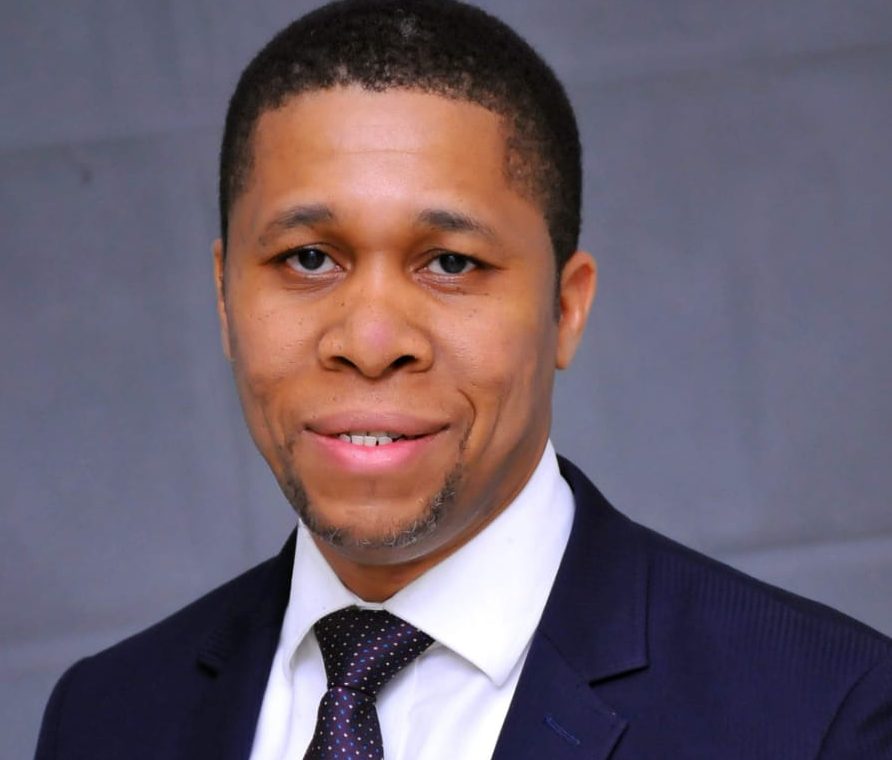
….says develop children’s leadership skills early
By Gabriel Ewepu
ABUJA – THE Life Skills Education Programmes, Efiko Management Consulting, Omagbitse Barrow, weekend, called on Nigerians to improve their productivity with adoption of Life skills.
Barrow speaking with Vanguard asserted that, “Many highly educated professionals – people with impressive degrees and strong technical knowledge struggle with the very capabilities that determine long-term success in life and work.”
According to him, with his over two decades work with corporate organizations in Nigeria, most of those who work at these organisations struggle to communicate clearly, manage their finances, think creatively, work collaboratively, or take responsibility as citizens in society.
He said: “Over the past two decades, my work with corporate organizations across Nigeria has given me a front-row seat to the realities of the modern workplace.
“I have facilitated leadership programs for senior executives, coached managers, and worked with organizations seeking to improve productivity, innovation, and collaboration. Yet one pattern continues to appear.
“Many highly educated professionals – people with impressive degrees and strong technical knowledge struggle with the very capabilities that determine long-term success in life and work.
“They struggle to communicate clearly. They struggle to manage their finances. They struggle to think creatively, work collaboratively, or take responsibility as citizens in society.
“In most cases, the problem is not intelligence or academic preparation. The problem is that life skills were never systematically taught.
“Our education systems do a reasonably good job preparing students to pass examinations. But they are far less intentional about preparing young people for the practical demands of life, leadership, and citizenship.
“Over the years, this realization began to trouble me. I repeatedly encountered talented professionals who had mastered academic knowledge but lacked the practical skills needed to thrive in complex organizational and societal environments.
“It gradually became clear to me that if we want to improve the quality of leadership, productivity, and civic responsibility in our societies, we must start much earlier.
“Five areas in particular stand out as essential foundations for life skills development: leadership and personal effectiveness; creativity and innovation; communication skills; financial literacy; and civic education. Let me explain.
“Leadership is often seen as something reserved for adults or senior executives. In reality, the foundations of leadership are built early in life.
“Children who develop leadership and personal effectiveness skills learn how to set goals, manage their time, take initiative, and accept responsibility for their actions. They learn to persevere when tasks become difficult and to approach problems with confidence rather than fear.
“These skills also help young people develop emotional intelligence – understanding themselves and relating effectively with others. They learn how to collaborate, resolve disagreements constructively, and contribute positively to teams.The future will belong to individuals who can think creatively and adapt to change.”
Speaking further he (Barrow) pointed out that Technological transformation, artificial intelligence, and global competition are reshaping industries and redefining the nature of work. In this environment, success will depend less on memorizing information and more on the ability to generate ideas and solve complex problems.
He also asserted that children who are encouraged to ask questions, experiment, and explore different ways of thinking develop an innovation mindset, because “They begin to see problems not as obstacles but as opportunities for discovery and improvement.
“Creativity education also helps young people develop curiosity and intellectual independence. Instead of relying solely on existing answers, they learn how to investigate possibilities and imagine new solutions.”
He emphasized that, “Communication is one of the most powerful skills a person can possess. Throughout my work with organizations, I have repeatedly observed how the ability to communicate effectively can shape professional success.
“Individuals who can express their ideas clearly, write persuasively, and speak confidently often find themselves influencing decisions, leading teams, and shaping strategy.
“Unfortunately, many young people complete their education without strong communication skills. They may possess good ideas but struggle to articulate them effectively.
“Teaching children how to write clearly and speak confidently equips them to express their thoughts, persuade audiences, and participate meaningfully in discussions that shape their communities and organizations.
“Another striking gap I have observed among professionals is financial illiteracy. Many individuals earn respectable incomes yet struggle with basic financial concepts such as budgeting, saving, investing, and long-term financial planning. The consequences can be significant: unnecessary debt, poor financial decisions, and limited financial security.”
He added that, “Financial literacy education helps young people understand how money works and how responsible financial decisions shape their future. They learn the importance of saving, the principles of investment, and the discipline required to build wealth over time.
Finally, life skills education must include civic awareness and responsibility. Strong societies depend on citizens who understand how institutions function and who recognize their role in shaping the future of their communities. Civic education helps young people develop a sense of responsibility toward the broader society in which they live.
“Through civic learning, children begin to understand concepts such as governance, citizenship, ethical leadership, and community participation. They learn that rights come with responsibilities and that constructive engagement can strengthen democratic institutions and social cohesion.”
Disclaimer
Comments expressed here do not reflect the opinions of Vanguard newspapers or any employee thereof.