By Emmanuel Elebeke
Abuja — The World Bank has urged Nigeria to adopt an integrated strategy linking electricity expansion, broadband deployment, and affordable digital access to drive economic growth.
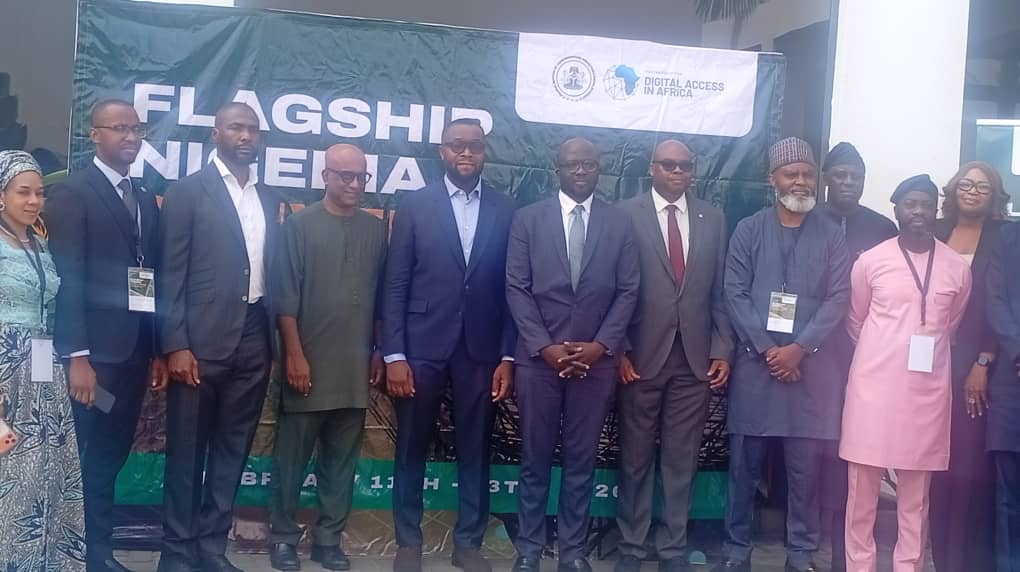
Speaking at the Nigeria Convening Programme in Abuja, World Bank Country Director Mathew Verghis emphasized that reliable power, high-quality broadband, and affordable devices must be developed together to unlock Nigeria’s demographic and economic potential.
“Nigeria faces one of the world’s largest electricity and backbone infrastructure deficits,” Verghis said, stressing that electrification and connectivity are mutually reinforcing. “There is no digital inclusion without power, and no inclusive growth from electrification without connectivity.”
The Bank is promoting a “Power plus Broadband Compact,” encouraging fiber deployment alongside electricity infrastructure, joint rollout to schools and health facilities, and collaboration between mobile operators and mini-grid developers. Current World Bank-backed initiatives include right-of-way reforms under the SABER programme and transmission upgrades, including 4,000 km of fiber installation.
Meanwhile, the Federal Government said it is investing heavily in digital infrastructure to expand nationwide access. Minister of Communications, Innovation, and Digital Economy, Dr. Bosun Tijani, revealed that Nigeria is rolling out 90,000 km of fiber optic cable, deploying 3,700 additional telecom towers, and planning to launch two new communication satellites next year. These initiatives are expected to connect about 20 million Nigerians who currently lack access.
Tijani added that telecom operators have invested over $1 billion following recent tariff adjustments that restored sector profitability. Improved internet quality is expected within a year as these infrastructure projects come online.
Beyond infrastructure, the government is scaling up digital skills development. The 3MTT programme has trained over 150,000 Nigerians, with a target of three million, while nationwide digital literacy initiatives and a government-backed local language AI model are also underway.
Ibrahima Guimba-Saidou, CEO of the Partnership for Digital Access in Africa (PDA), said Nigeria’s strategy aligns with the continent’s goal of connecting one billion people to the internet by 2030. He noted that electricity remains a critical missing link in achieving true digital inclusion and called for stronger collaboration between government and private sector to close the digital divide.
“This is about making connectivity relevant to the people who need it the most, not just those in major cities,” Guimba-Saidou said, highlighting PDA’s Mission 300 initiative, which aims to expand electricity access to remote communities, schools, health centers, and markets.
Both the World Bank and the Federal Government emphasized that coordinated investment in power, broadband, and digital skills is essential to achieving Nigeria’s ambition of building a $1 trillion economy.
Disclaimer
Comments expressed here do not reflect the opinions of Vanguard newspapers or any employee thereof.