By Nnasom David
Road safety advocate and Senior Programme Officer at the Global Alliance of NGOs for Road Safety, Otuto Amarauche Chukwu, has said that most road crashes in Nigeria are not accidents but the result of systemic failures in road design, planning and management.
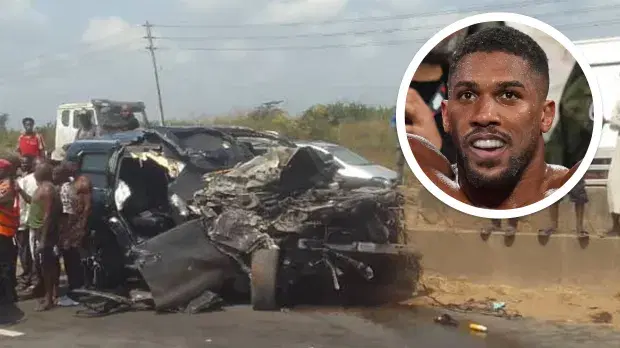
Chukwu made the assertion while reacting to public debate following a recent fatal road crash involving Nigeria–British boxer Anthony Joshua, which claimed two lives and reignited arguments over whether bad roads or excessive speed were to blame.
According to him, focusing only on whether a road is smooth or well-paved misses the core issue of safety.
“A road can be well paved and still be dangerous,” Chukwu said. “The real question is not whether a road looks good, but whether it is designed to keep people safe.”
He explained that many Nigerian roads lack evidence-based safety measures such as appropriate speed limits, clear signage, consistent enforcement, traffic-calming features, rumble strips and gateway treatments that naturally reduce speed and minimise the severity of crashes.
Chukwu stressed that there is a difference between building roads that move vehicles efficiently and building roads that protect human life, noting that crashes are often predictable and preventable outcomes of how roads are designed and operated.
“What we often call ‘road accidents’ are rarely accidents at all,” he said. “They are the foreseeable results of systems that encourage high speeds and fail to protect road users.”
He advocated the adoption of the Safe System approach, a human-centred road safety model that recognises human error and designs transport systems to ensure such mistakes do not lead to death or serious injury.
“Under the Safe System approach, roads must be designed so that if crashes occur, impact speeds remain below levels the human body can tolerate,” Chukwu said, adding that any crash resulting in loss of life points to a failure of the system rather than individual behaviour alone.
While acknowledging the role of road user behaviour, he argued that behaviour often aligns with the system in place, urging authorities to prioritise safer road designs that protect all users, including pedestrians, cyclists, motorcyclists, drivers and passengers.
“This is an opportunity to demand roads that are not only smooth, but safe,” Chukwu said. “If we continue to equate good roads with smooth roads, we will continue to lose lives. It is time to redefine what good roads mean in Nigeria and put human safety first.”
Disclaimer
Comments expressed here do not reflect the opinions of Vanguard newspapers or any employee thereof.