By Joseph Erunke, Abuja
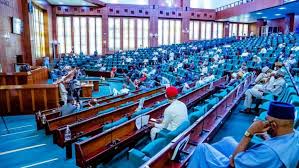
The House of Representatives on Tuesday resolved to investigate allegations made by the President of Dangote Group, Alhaji Aliko Dangote, against the leadership of the Nigerian Midstream and Downstream Petroleum Regulatory Authority (NMDPRA).
The resolution followed the unanimous adoption of a motion sponsored by Hon. Midala Usman during plenary.
In moving the motion, Usman cited Sections 88 (1) and (2) of the 1999 Constitution (as amended), which empower the National Assembly to conduct investigations into the activities of any authority charged with executing or administering laws enacted by it.
He also referenced Section 29 (3) of the Petroleum Industry Act (PIA) 2021, which mandates the NMDPRA to oversee the technical and commercial regulation of Nigeria’s midstream and downstream petroleum operations.
The lawmaker noted that the House was aware of an ongoing dispute between the NMDPRA and the Dangote Refinery concerning the issuance of petroleum importation licences, regulatory decisions affecting Petroleum Motor Spirit (PMS), pricing benchmarks, and other related regulatory issues.
Usman expressed concern that if the disagreement is not promptly addressed, it could escalate and potentially disrupt fuel supply, particularly during the festive season and beyond.
He further observed that the Dangote Refinery represents a strategic national investment with the capacity to significantly reduce Nigeria’s dependence on imported PMS, conserve foreign exchange, stabilise domestic fuel supply, and moderate prices over time.
According to him, unresolved regulatory disagreements between a statutory regulator and the country’s largest domestic refinery pose risks of supply chain disruption, pricing volatility, policy inconsistency, and erosion of investor confidence in Nigeria’s petroleum sector.
The House also expressed concern over the absence of a clearly articulated, transparent and consistently applied PMS pricing framework, noting that such gaps could encourage market distortions to the detriment of consumers.
Lawmakers further lamented persistent fuel price fluctuations without adequate public disclosure of key pricing components, including refinery gate prices, regulatory assumptions, cost structures, and margins, as well as the comparative impact of local refining versus import-based supply.
The House stressed that energy security, downstream stability and consumer protection cannot be guaranteed in an environment characterised by regulatory uncertainty and pricing opacity.
Following deliberations, the motion was adopted and referred to the House Committees on Petroleum Resources (Midstream) and (Downstream), with a mandate to investigate the issues surrounding the dispute and submit a report within four weeks for further legislative action.
Disclaimer
Comments expressed here do not reflect the opinions of Vanguard newspapers or any employee thereof.