By Juliet Ebirim
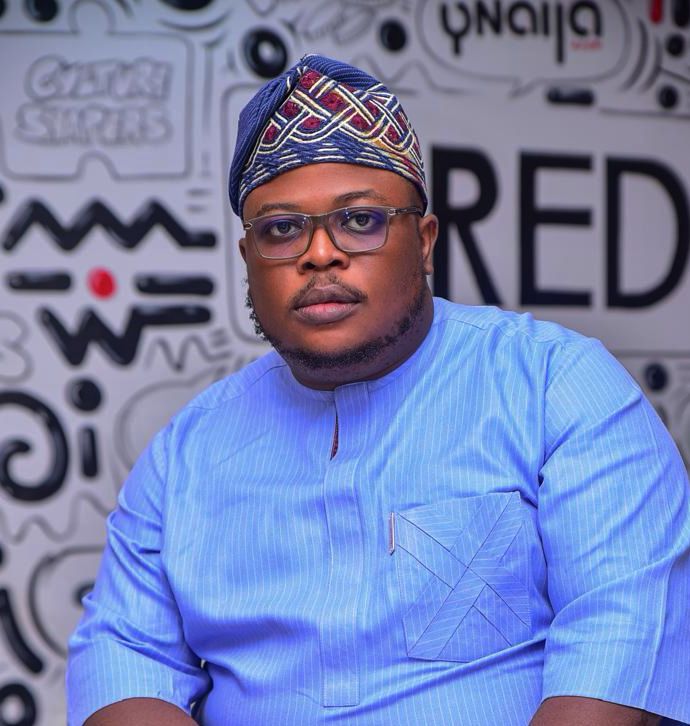
Ayodeji Razaq is a leading force in Africa’s marketing and communications landscape. With an illustrious career spanning over fifteen years, he has built brands, driven movements and redefined storytelling in ways that transcend industries. As the Group Chief Executive Officer of RED | for Africa, his work has impacted corporations, investors, change agents, and governments. However, Ayodeji’s journey to the helm of one of Africa’s most influential media and communications companies is not just about business but vision, resilience and an unrelenting drive to leave his mark on the world.
In this exclusive interview, he shares some of the lessons, milestones, vision and philosophies that continue to shape his path.
You’ve built an impressive career in marketing communications, but let’s go back to the beginning. What sparked your interest in branding and storytelling?
I have always been fascinated by how narratives shape the world. Growing up, I observed how the most successful individuals and brands weren’t necessarily the best in their field—but they told their stories better. My first real foray into marketing was with BlackBerry as a Campus Marketing Executive. That role was a game-changer. I was immersed in understanding consumer behaviour, crafting campaigns that resonated with young people, and seeing firsthand how brand perception could drive loyalty. It was more than just selling a product; it was about building a culture. Fast forward to today, leading RED | for Africa, I see that same principle playing out on a much larger scale, using storytelling as a vehicle for impact. The mission has never changed—just the scope and the stakes.
Were there any defining moments in your early career that set the trajectory for where you are today?
Absolutely! As I already mentioned, my involvement with BlackBerry got me started in marketing in a hands-on way, making it part of the conversations people were already having. That experience shaped my approach to marketing and brand storytelling. My time at BrandLife was equally pivotal. It introduced me to structured activation and new media strategies. I worked with some of the biggest brands across FMCG, technology, and financial services, learning how to craft campaigns that drive engagement and real-world action. The ability to transition between sectors and understand different audiences is a skill that has proven invaluable several years later.
You studied psychology. How would you say that has contributed to or influenced your approach to marketing and storytelling?
Understanding human behaviour is at the core of effective marketing. My background in psychology gave me a deep insight into why people connect with certain messages, how emotions drive decision-making, and what makes a story resonate. Now deeply rooted in marketing, it has helped me lead campaigns that communicate ideas and truly resonate with audiences beyond the surface. At its heart, marketing is about people—and what started with a different goal in mind has now become an invaluable tool in decoding what makes them tick.
RED for Africa is turning 20 this year. What was the vision when you took over, making history as the first non-founder CEO?
The vision was, and still is, to cement RED’s status as Africa’s most influential PR and storytelling powerhouse. When I stepped in as CEO, I saw an opportunity to build on an already powerful legacy that goes beyond serving brands to shaping culture. Our subsidiaries—Red Media Africa, StateCraft, The Future Project, and Red Production—are all mission-driven, united by a single purpose: amplifying African stories globally. Whether through social campaigns, political movements, or corporate branding, our focus remains on authenticity and impact.
We don’t just craft messages; we spark movements. With that influence comes great responsibility: to ensure our work is ethical, inclusive, and truly transformative. As RED marks 20 years, we are doubling down on this vision, driving conversations that shape the present and define the future.
What do you believe sets you apart from other media and communications firms?
It is the mindset. Many companies focus on what they do. We focus on why we do it. We are constantly listening, engaging, and always ahead of the curve when it comes to understanding public sentiment and the narratives that shape culture. Through Red Media Africa, we shape brand stories. Through StateCraft, we influence governance and policy. Through The Future Project, we celebrate greatness and empower young Africans with the tools to change their world. And through Red Productions, we bring these narratives to life in ways that move audiences and inspire action. We are constantly evolving, always challenging convention and looking for the next big shift in how people engage with content, brands and ideas. We are now in our 20th year of #REDefining what it means to tell stories that drive action. That relentless pursuit of excellence, I’d say, is one of the many USPs that keeps us far ahead of the competition.
As a leader, how do you define success?
Success is not just about numbers but influence and impact. Have I built a team that thrives? Have I contributed to narratives that inspire change? Have I created opportunities for others? For me, success is about building something that outlives me.
You co-founded X-Holdings Group, now known as The People Company, comprising Riquesa, Duo Agency and SBX Media. What drives your entrepreneurial pursuits?
I have always believed in diversification, and The People Company allows me to achieve that. Riquesa focuses on experiential marketing, Duo Agency on digital solutions, and SBX Media on content production. They all feed into the larger ecosystem of storytelling and engagement, but each has its unique approach.
Entrepreneurship, for me, is about building ecosystems—creating businesses that do not simply exist in silos but complement and amplify each other.
What has this expansive entrepreneurship foray taught you?
First, never underestimate the power of relationships. Business is built on trust, and trust is built over time. Second, be adaptable. The industry is constantly evolving—what worked yesterday may not necessarily work tomorrow. Finally, be purpose-driven. Money is great, but impact and legacy are greater. The people who leave a legacy are those who create value beyond themselves.
That’s quite inspiring. Is this why you are deeply involved in youth empowerment and national development? Why do you think that is important?
Yes, actually. Take, for example, the incredible work being done by The Future Project, honouring those incredible young minds who are breaking barriers locally and internationally, motivating them to do more. This is crucial and worthy of emulation because the future belongs to those who prepare for it today. I serve on the board of NGYouthSDGs, and the All Lives Matter Initiative because I believe in giving back. Young people need access to resources, mentorship, and opportunities. If we want Africa to thrive, we have to invest in its future leaders.
Looking ahead, what is next for you and for RED | for Africa?
We are entering a new era of storytelling in Africa. The future is about owning our narratives, telling our stories on our terms, and ensuring that African brands, leaders, and innovators are given the platforms they deserve. Now in her twentieth year, RED remains as committed to that as ever. I remain deeply committed to mentorship and youth development. If there is one thing I have learned in my journey, it is that success is not just about what you build but about who you empower along the way. The next generation of leaders, storytellers, and change-makers is already emerging, and I see my role as helping to guide that process.
Disclaimer
Comments expressed here do not reflect the opinions of Vanguard newspapers or any employee thereof.