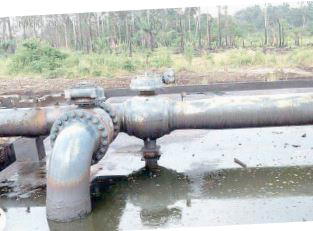
File image
By Luminous Jannamike
ABUJA – A group of concerned activists in the energy sector has raised alarm over the Nigerian National Petroleum Company Limited’s (NNPCL) alleged plan to reduce crude oil supply to local refineries, warning that the move could lead to increased fuel prices and deepen economic hardship for Nigerians.
They claim the decision undermines private-sector contributions to the development of the oil sector, particularly the Dangote Refinery.
At a press conference held in Abuja on Tuesday, the group, led by its national coordinator, Obinna Francis, criticized the alleged plans to slash crude oil supply to the refineries.
The activists highlighted the economic ramifications of the crude allocation cut, stating that it could further inflate the price of Premium Motor Spirit (PMS) and worsen the rising costs of goods and services, which have already spiked since the removal of fuel subsidies.
The group urged the government to rethink its strategy and ensure fair allocation of crude oil to all local refineries, stressing that supporting private-sector players is key to alleviating Nigeria’s energy challenges and economic woes.
Francis stated, “There is overwhelming evidence that the private sector has served the Nigerian public and stakeholders better than government-owned and operated utilities and parastatals. Let us examine two recent examples: the power and telecommunications sectors before we return to the refineries.
“The federal government sold power-generating companies to the private sector some years ago. In the telecommunications sector, the government liberalised the industry in 2001 by selling GSM licences but retained ownership of the key operator.
“In each of the above examples, continued operation by the public sector led to billions of naira being lost on poorly managed entities. These entities deprived Nigerians of important services, fostered corruption and deprived important budget items, like education and health, of vital funds; in each case, privatisation or liberalisation – allowing competition from private business – solved the problem, and ensured the greater common good.
“Few months ago, Oando loaned the NNPC $500m as part of another syndicated loan operation called Project Gazelle. Swiss group, Gunvor International and Nigeria’s Sahara Energy Resources, also took part in the $3.175bn operation, which was arranged by Afreximbank. These deals have continued despite complaints from domestic refineries that the national oil firm is not meeting its quota. The country’s average daily production stood at 1.8m barrels per day as of November 2024.”
Disclaimer
Comments expressed here do not reflect the opinions of Vanguard newspapers or any employee thereof.