By Dickson Omobola
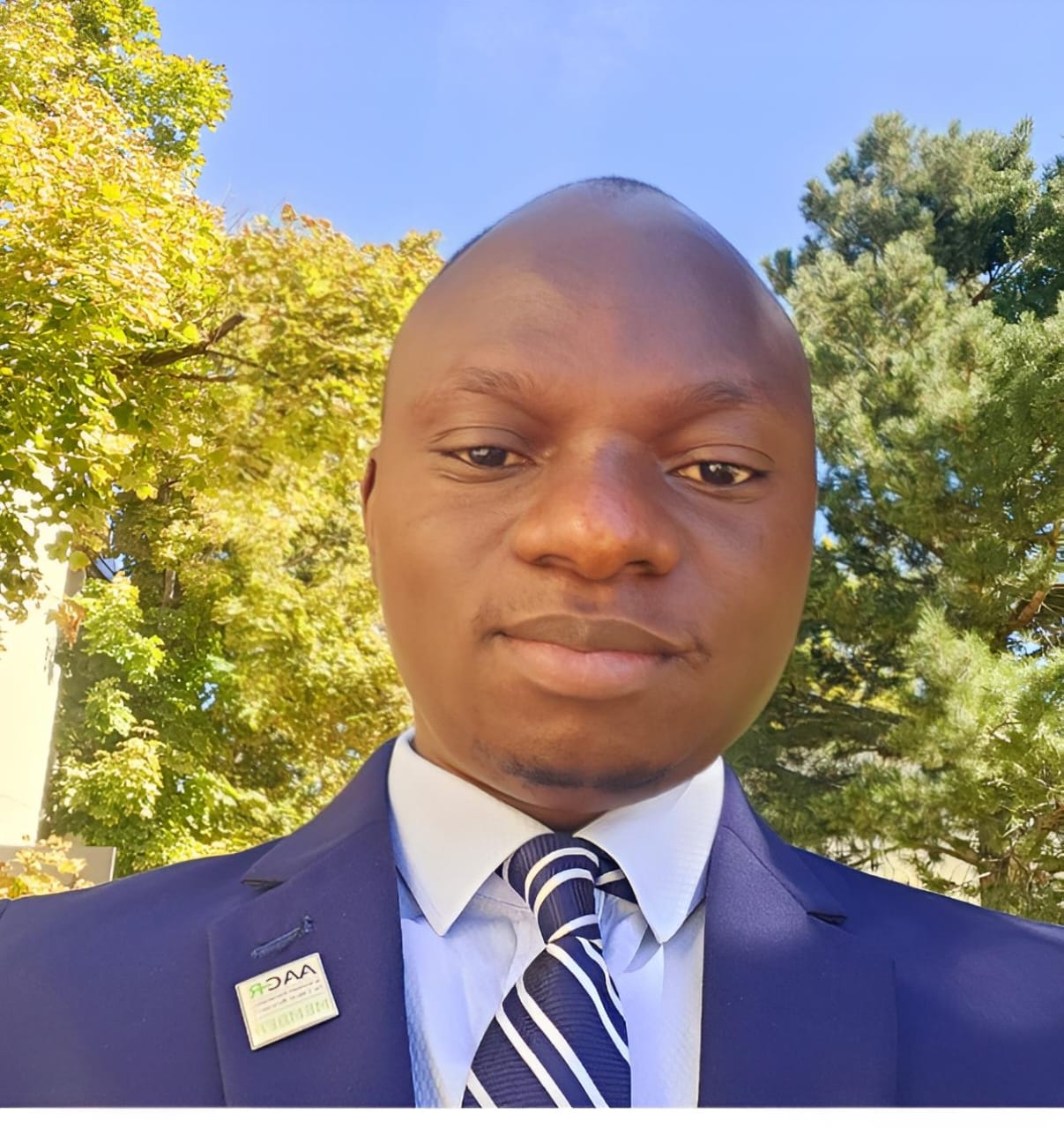
A cancer scientist, Sikiru Imodoye, Thursday, urged African countries, particularly Nigeria, to prioritise investments in cancer research infrastructure.
Imodoye, a research fellow at Huntsman Cancer Institute, USA, made this call during a chat with Vanguard.
His call comes on the heels of his groundbreaking presentation at the 9th International Adrenal Cancer Symposium held at MD Anderson Cancer Centre, USA, for which he was honoured with a prestigious travel award in recognition of his impactful research.
Imodoye said strengthening cancer research infrastructure was the cornerstone for developing effective treatment programs.
He said: “As our knowledge of cancer pathogenesis advances, it becomes increasingly clear that we must move beyond empirical treatments and embrace genomic and personalised care approaches.”
He maintained that the first step in building formidable treatment programs for cancer patients is to strengthen research facilities at both basic and translational levels. He stressed the importance of establishing and maintaining biorepositories and genomic databases.
He said: “These repositories would play a pivotal role in genetic and molecular profiling, clinical data integration, personalized medicine development, drug discovery, and collaborative research efforts. By implementing these measures, Nigeria could significantly enhance its capacity for targeted and personalized cancer care.”
He further highlighted the importance of building local capacity for African scientists to partner globally and leveraging advanced technologies to decode the genetic and molecular mechanisms of cancer, ultimately enabling the development of targeted therapies.
While presenting his latest innovative findings, Imodoye uncovered Wnt5a signaling as a novel therapeutic target for adrenocortical carcinoma, an aggressive and often fatal cancer. His research demonstrated that inhibiting Wnt5a activates an anti-tumor myeloid response, offering promising opportunities for combining Wnt5a inhibitors with immunotherapy.
“Given the limitations of current adrenal cancer treatments, this breakthrough represents a significant step forward,” he explained.
However, Imodoye expressed deep concern over the absence of African representation at the symposium, which convened leading experts from across the globe to discuss advancements in adrenal cancer research and care.
“This highlights a critical gap in Africa’s engagement with global cancer research efforts, particularly in addressing rare and aggressive cancers,” he noted.
Beyond his recent work, Imodoye has made several landmark contributions to cancer research, including strategies to target the epithelial-to-mesenchymal transition, EMT, a key driver of metastasis long considered undruggable. His findings suggest that both direct and indirect inhibition of transcription factors could reshape the treatment paradigm for metastatic cancers, the leading cause of cancer-related deaths.
Imodoye called on African governments to allocate more resources to cancer research to ensure that local challenges and perspectives are addressed.
“Investing in research infrastructure will foster homegrown innovation, improve patient care, and enable Africa to contribute meaningfully to the global fight against cancer,” he emphasised.
Disclaimer
Comments expressed here do not reflect the opinions of Vanguard newspapers or any employee thereof.