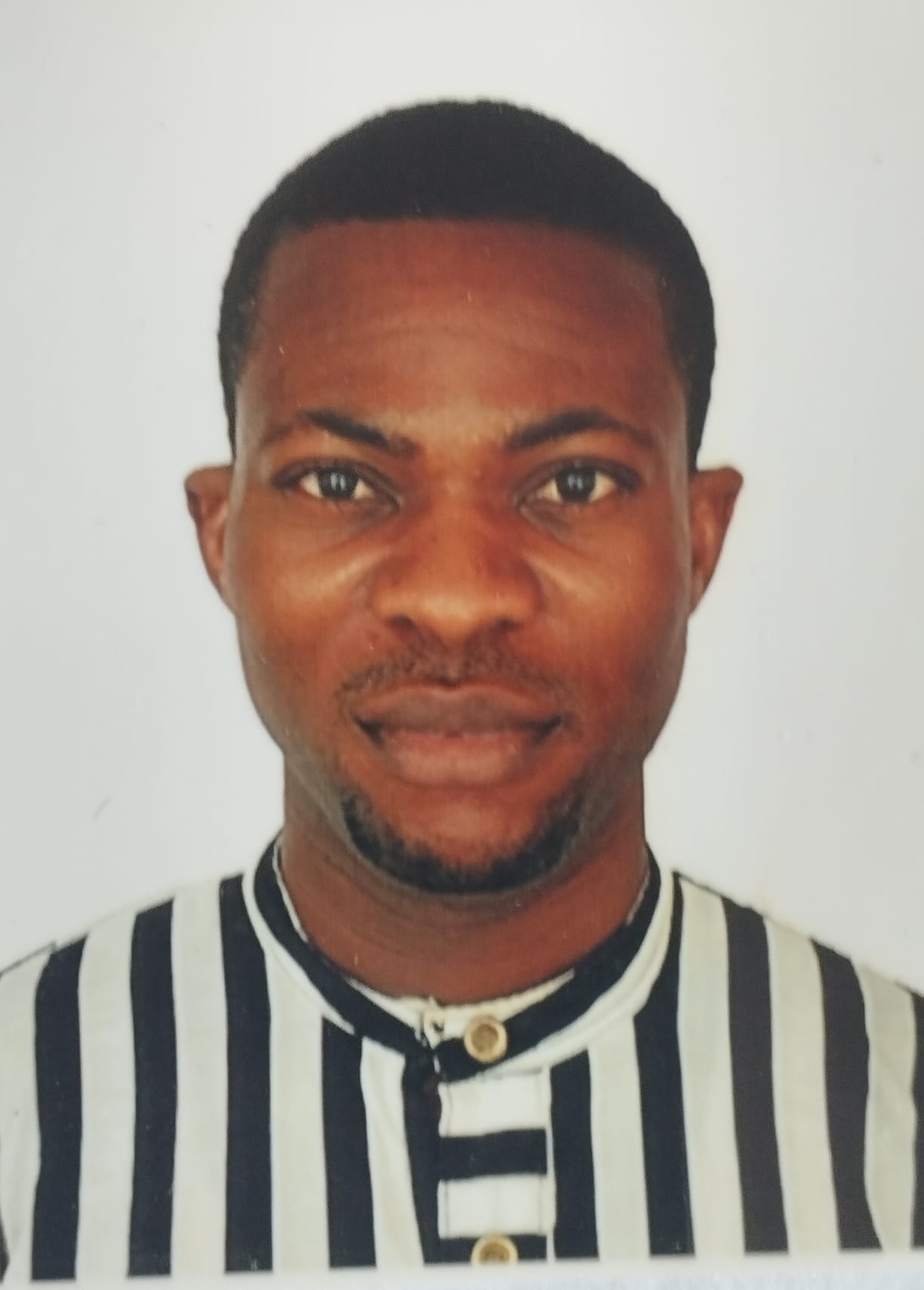
A TWAS-CSIR researcher in the Department of Chemistry, Federal University of Technology Akure, Ondo State, Emmanuel Ayorinde Ajiboye has presented his innovative hydrometallurgical methods for the recovery of metal values from discarded waste electrical and electronic equipment (WEEE).
He said the project was funded by the World Academy of Sciences (TWAS), Italy and Council of Scientific and Industrial Research (CSIR), India in collaboration with the Federal University of Technology Akure Nigeria.
During his final Doctoral thesis presentation in the Department of Chemistry, Federal University of Technology, Emmanuel Ajiboye showcased his innovative methods for the recovery of copper, nickel, zinc from dismantled electronic components.
Dr. Ajiboye described his innovative dismantling process for the populated printed circuit boards in which hot air was used to desoldered PCBs, and components such as integrated circuits, monolithic capacitor and resistors fell off and were separated. The components were processed into powder and dissolved in mineral acids to produce mixed metals leach liquor.
Dr. Ajiboye said solvent extraction of metals from acid mixed metals leached liquor has been developed and widely used, and he however developed ion-exchange process with the uses of chelating resins as alternative method. This technique is typically based on pumping of the mixed metals leach liquor through the resin fixed bed column with help of external pumps and stripping of the sorbed metal of interest from the resin fixed bed column using sulfuric acid solution to generate metal sulfate solution suitable for quality cathode product.
He explained further by giving instance on the selective extraction of copper using commercially available DOWEX-M4195 chelating resin in which, only copper in the leached solution was sorbed by the resin, other metals were found to have breakthrough the column, leaving them in the raffinate for further separation.
The elution of the retained copper into the resin using sulfuric acid produce copper sulfate solution which was electrowon as copper plate by electrowinning process. The metal plate can be reuse in the electronic manufacturing industry.
Dr. Ajiboye also described the significance of his research to the United Nation Sustainable Development Goals (SDGs) and how it will be useful in Africa especially Nigeria as Africa most populous country with known history of electronic wastes shipped from the developed countries in the context of used gadgets.
“Nigeria is the leading importer of electrical and electronic equipment in Africa, with over 1.1 million tons of e-waste entering the country each year. Much of this imported e-waste is no longer usable and ends up being dumped, exposing the environment to contaminants from heavy metals. Meanwhile, the disposal and treatment of e-waste is a serious concern for Nigeria, because no regulation was put in place and informal recycler dominate the sector” he said.
According to him, there is need for e-waste regulation by the government and setting up of collection centers across the region of the country in which recycler can be registered or industries can make use of the developed methods to process the materials.
“I believe my research should be adopted by the government and industries to harness the economic potentials in the e-waste and as well to ameliorate environmental pollution. Government or industries needs to as matter of urgency partner with Federal University of Technology Akure to scale up the process, there are available metals market, and this will create jobs opportunities for the youths, and boost University internal generated revenues.
The Head of Department of Chemistry, Professor Elvis Okoronkwo praised Dr. Ajiboye for his resilience, dedication and courage for taking up the research which was adjudged to be challenging due to complex nature of e-waste.
“Not only that, but he has also developed methods to mitigate environment contamination by the heavy metals in the e-waste via recycling of the metals. More so, he has made the Department and University proud by publishing the outcomes of this research in an international journal of repute.”
Disclaimer
Comments expressed here do not reflect the opinions of Vanguard newspapers or any employee thereof.