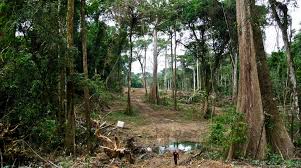
Segun Michael Adeyemo, a Nigerian researcher, has made significant strides in promoting sustainable forestry practices and climate change mitigation through his recent studies on timber harvesting efficiency and wood utilization in construction.
Adeyemo’s research has far-reaching implications for Nigeria’s forestry sector and its role in combating climate change.
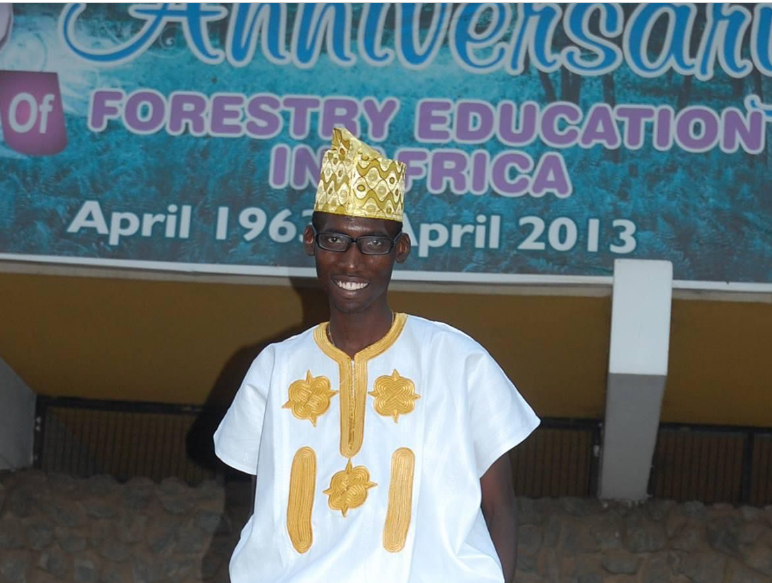
By quantifying the volume of wood used for replacement in building construction and identifying the factors contributing to wood biodeterioration, his study highlights the urgent need for more sustainable wood utilization practices. Implementing effective preservative treatments and using more durable wood species can reduce the frequency of replacements, thereby decreasing the demand for timber and alleviating pressure on Nigeria’s forests.
Moreover, Adeyemo’s investigation into the harvesting efficiency and productivity of Gmelina arborea plantations at Onigambari Forest Reserve sheds light on the importance of sustainable forest management.
The study’s findings suggest that improved harvesting practices, coupled with investments in human capacity building and institutional strengthening, can lead to higher efficiency and productivity in timber harvesting. This, in turn, can help Nigeria optimize its forest resources while minimizing the environmental impact of logging activities.
Sustainable forestry practices play a crucial role in mitigating climate change by maintaining healthy forest ecosystems that absorb carbon dioxide from the atmosphere. Adeyemo’s research provides valuable insights into how Nigeria can enhance its forest management practices to maximize the carbon sequestration potential of its forests. By adopting the recommendations outlined in his studies, Nigeria can contribute to global efforts in reducing greenhouse gas emissions and combating climate change.
Furthermore, Adeyemo’s work underscores the importance of research-driven decision-making in the forestry and construction sectors.
His findings serve as a wake-up call for policymakers, forest managers, and construction professionals in Nigeria to prioritize sustainable practices and invest in research and development. By doing so, Nigeria can position itself as a leader in sustainable forestry and green construction in sub-Saharan Africa, setting an example for other countries in the region.
Summarily, Segun Michael Adeyemo’s research has the potential to revolutionize Nigeria’s approach to forestry and wood utilization, promoting sustainable practices that contribute to climate change mitigation. As Nigeria grapples with the challenges posed by deforestation and climate change, Adeyemo’s findings provide a roadmap for a more sustainable and resilient future.
Disclaimer
Comments expressed here do not reflect the opinions of Vanguard newspapers or any employee thereof.