By Gabriel Olawale
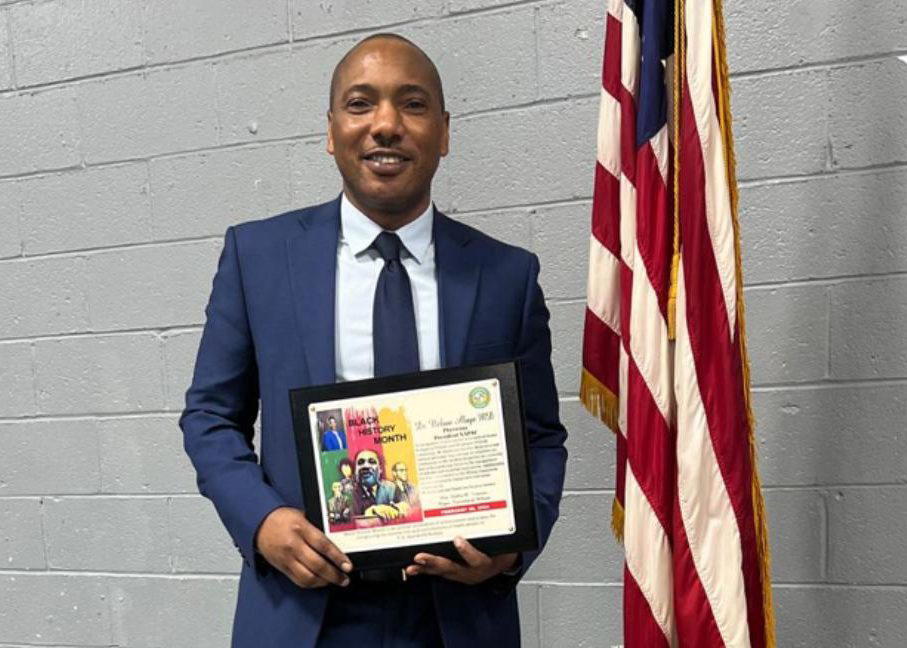
In a moment of pride and honor, Prof. Nelson Aluya, a distinguished Nigerian-born doctor turned professor of medicine, Chief Medical Officer, and President of the Nigeria American Public Affairs Committee (NAPAC-USA), expressed gratitude for being recognized by his own community during Black History Month celebrations in the United States.
Reflecting on his journey from Nigeria to the United States, Prof. Aluya emphasized the importance of unity among Black people, noting a significant awakening and reckoning in black consciousness. He highlighted the cultural resurgence embodied in Afrobeats, emphasizing its connection to African heritage and its impact on the global community.
“The beats coming out of Africa speak to our DNA. Afrobeats is the illustration of mother Africa to all those of African descent. ” Prof. Aluya remarked, underlining the unifying force driving the black community worldwide. He called for the identification and empowerment of community champions, stressing the need for collective action to achieve economic liberty, a goal he sees as the next step following the political liberation of the 1960s.
“We must collaborate,” Prof. Aluya urged, emphasizing the pooling of resources such as time, money, and intellect to build a stronger community. He emphasized the importance of leveraging individual strengths and resources for collective advancement, resonating with the spirit of unity and collaboration central to Black History Month. We must identify, celebrate, and unify to concentrate all the powers of the champions amongst us. Power is most effective when concentrated”.
In conclusion, Prof. Aluya reiterated the call to action, urging black individuals to unite and concentrate their efforts towards economic empowerment. His message emphasized the transformative power of collaboration in realizing the economic liberty envisioned by previous generations.
Aluya’s interview underscores his commitment to advancing the interests of the Black community, highlighting unity and collaboration as essential elements for collective progress and empowerment in the United States and beyond.
Disclaimer
Comments expressed here do not reflect the opinions of Vanguard newspapers or any employee thereof.