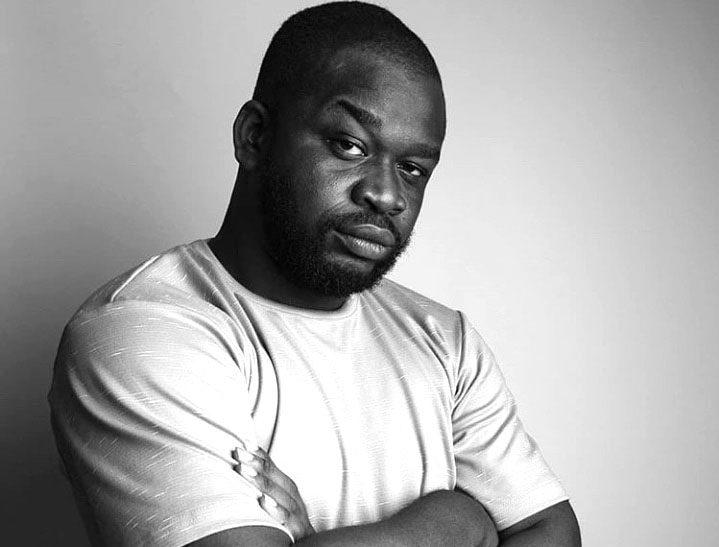
Adedoyin Dolapo, is among the few young Nigerians who refused to be frustrated searching for white colar jobs as a qualified Computer Science from Madonna University and without getting non.
However, despite the numerous challenges of production in Nigeria, Dolapo took the risk of venturing into the business of making clothings for all categories of people in Nigeria. Today, the young entrepreneur with his business brand, OAIV located at Ikotun area of Lagos has overcome unemployment and is now thinking of expansion focusing on street wears, urban clothing and as well provide corporate branding.
How long have you been into the business?
I have been in this for about 4 to 5 years or more.
How do you get fabrics used in making those street wears, urban clothing?
Basically, our routine is to source fabrics and thereafter we cut, sew and then print. I’m in charge of design, introducing ideas for our collection and each individual piece, and I’m also involved in the process of printing to ensure that the end product embodies our vision and aesthetics.
Do you import the fabrics or you use locally made ones?
I would say both, but more within the country because of the cost of importation, the high rise of dollar. We have done research on fabric availability and types and discovered that you can always improve based on the availability of fabrics. But in Nigeria we are limited to what importers bring into the country. For instance if I go to the market I might find out that what has been imported might not meet my standards, though, sometimes they have good options available, sometimes we look outside for more variety.
Tell us your experience, passion and value delivering since you ventured into the business of fashion?
First of all, it’s all about making the client happy, because the highlight is that when we make these wears and see how our customers react positively, it’s very fulfilling. Sometimes a customer tells me, I wore your piece or outfit to a party and people told me they like it. These feedback from customers, boost our dedication and drives us to keep improving to serve our customers better. The business is all about being unique and keeping the identity recognisable always.
How is patronage to your clothing business?
The patronage is fair. It could be better, we have people who don’t show interest in our products, because our pieces are unique. But more people like to feel that special connection with our story knowing there are like minded individuals who also appreciate the journey and craftsmanship that go into the pieces giving them that unique taste of fashion.
How quality is your products and range of circulation?
Our quality is top notch always. In terms of circulation, we are into partnership with several stores in Lagos to ensure that our unique designs is reaching targetted audience. And since we are more in production axis, we have partnered stores that have showrooms in visible places and we reach a mutual agreement on certain percentages for them for showcasing our designs. But sometimes, customer come direct to us and place orders.
What kind of designs do you make – native, English etc?
I understand how attractive that would be, but our main focus is urban clothing. We have varieties, we do T-shirt, Polo, Collar neck, Sweater, Jacket, Face-Cap, Joggers etc. We have variety but we focus on that kind of clothes you wear to chill, for relaxation and you feel good, clothes for the club, for a party and weekend chills, beach wears that enhance your beach slays.
How can you generate employment via your clothing production?
Essentially, as our business is growing we are engaging more hands for production. The aim is to be able to facilitate and meet up with customers’ demand at any point in time especially in Lagos. That means there is need for in-house company tailors, printers, delivery people, fabric procurement persons. To make that production line a reality, it will open door of employment for people.
How competitive is your brand?
Yes! There are a lot of people who are in this business, but our unique selling point is the fact that our designs are original. We don’t mimick, we don’t copy. So what happens is that trends come, tends go and you notice that certain period almost everybody will be doing the same style, but we don’t let the river carry us along. We don’t get carried away because if you are following a trend it will stop at a particular time. But if you have unique identify or a tradition, whoever likes your identity from the start will always like your identity. You just have to win them once, but in trend you have to win them over and over. You will have to start introducing to them every new trend.
Who are your targeted audience?
We target male, female and children. Our designs are available for all, as you give us your style or we find style that suits you, we give our customers the best of that style. For instance, if a customers comes to make an order, we will show him or her our catalogue of what we have available to make his preference.
Do you think government needs to play a role to boost your production?
I believe government can boost clothing production easy by making fabrics available for the business in Nigeria. Most fabrics we use in Nigeria are imported. Again, epileptic power supply is another big challenge to local production. Profits are spent on diesel and that increases the cost of production in Nigeria. It also enforces prices to go high while making it difficult for it to compete with what is in market. For instance, China will give you quality with less price, but because of cost production here, producers will give less quality and of course you can’t blame them, blame cost of production. At this junction, government can come in and solve the problem of power supply to encourage and promote local production which will in turn generate employment because with steady power supply there will be massive production in the country.
Government can also give rebate to companies producing fabrics so that producer buying it from them can get it cheap and end production. There is as well need for government regulation so that those producing fabrics will not just produce substandard products into the market.
Disclaimer
Comments expressed here do not reflect the opinions of Vanguard newspapers or any employee thereof.