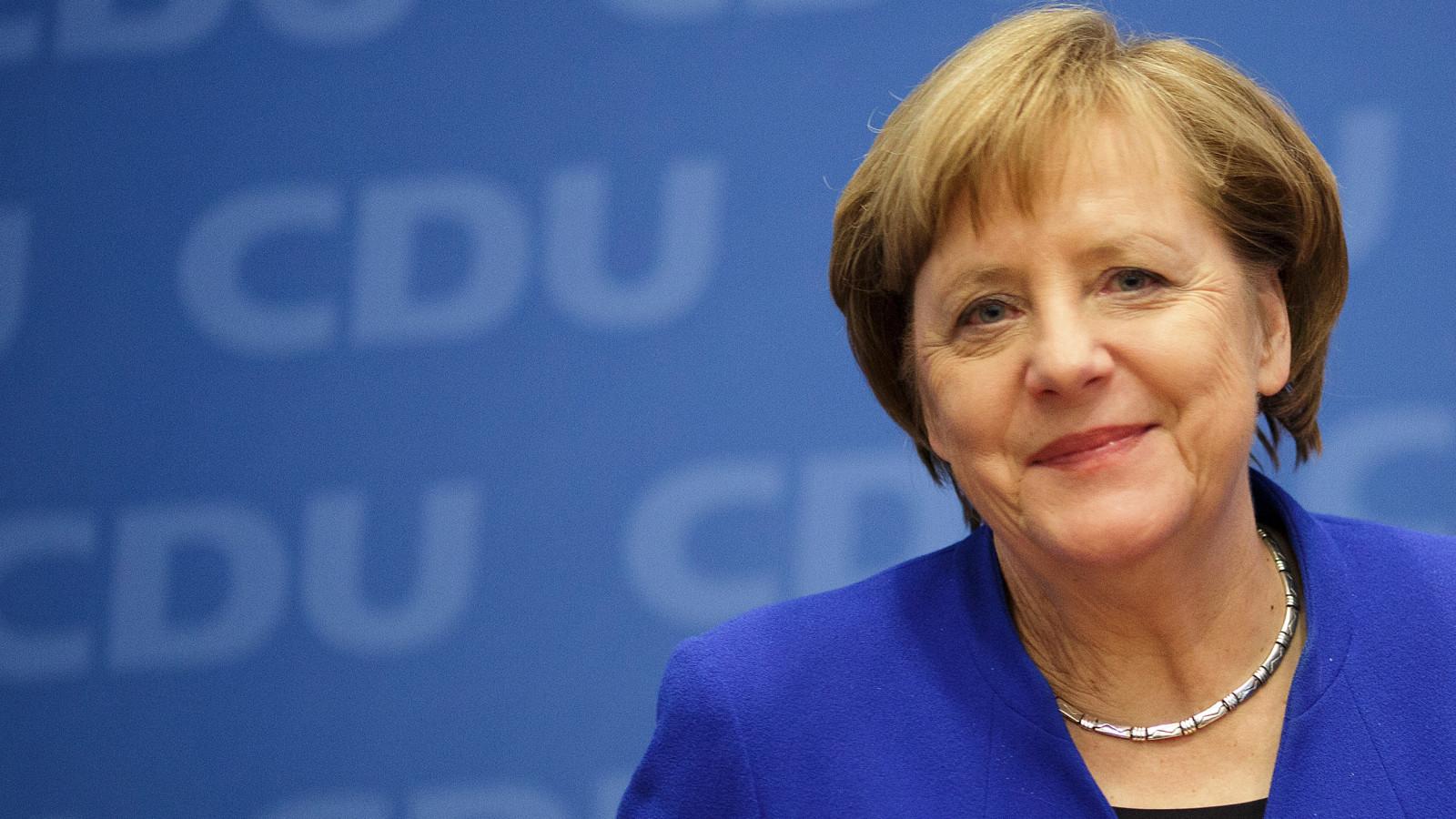
Germany is set to go to the polls to elect a new parliament and chancellor on September 26 next year, as Angela Merkel’s looming retirement leaves the nation’s political future wide open.
President Frank-Walter Steinmeier approved the date, a statement from his office said on Wednesday. It had been proposed by the government following talks with political parties and the country’s 16 state administrations.
So far, only one party has picked a candidate to lead it into the vote: the centre-left Social Democrats (SPD) with Olaf Scholz, who currently serves as Chancellor Merkel’s deputy in a coalition with her conservatives.
However, the SPD has been haemorrhaging support for years, while Merkel’s Christian Democrats (CDU) are the strongest-polling party at this early stage, together with their CSU Bavarian allies.
However, the CDU’s luck could change since the party is yet to decide on a new leader, with a vote currently set for January 16.
READ ALSO: Merkel and deputy prepare Germans for stricter coronavirus measures
Friedrich Merz, a wealthy lawyer representing the CDU’s right wing, is pitted against two other candidates from the party centre, Armin Laschet and Norbert Roettgen.
The winning candidate would be expected to lead the conservatives’ 2021 campaign.
The Greens, currently the smallest opposition force in the Bundestag parliament, are hoping for a surge in 2021 following a string of electoral gains at EU and local level.
Merkel, 66, has said that her fourth term at Germany’s helm will be her last.
After 16 years in power, she could beat Helmut Kohl as Germany’s longest-serving post-war leader, depending on how long coalition talks take next year.
DPA
Disclaimer
Comments expressed here do not reflect the opinions of Vanguard newspapers or any employee thereof.