By Efe Onodjae
A former Minister of Environment, Lawrencia Mallam, has called on the Federal Government to urgently revive Nigeria’s ailing textile industry, describing its collapse as a “big shame” and a major contributor to rising unemployment and insecurity in the country.
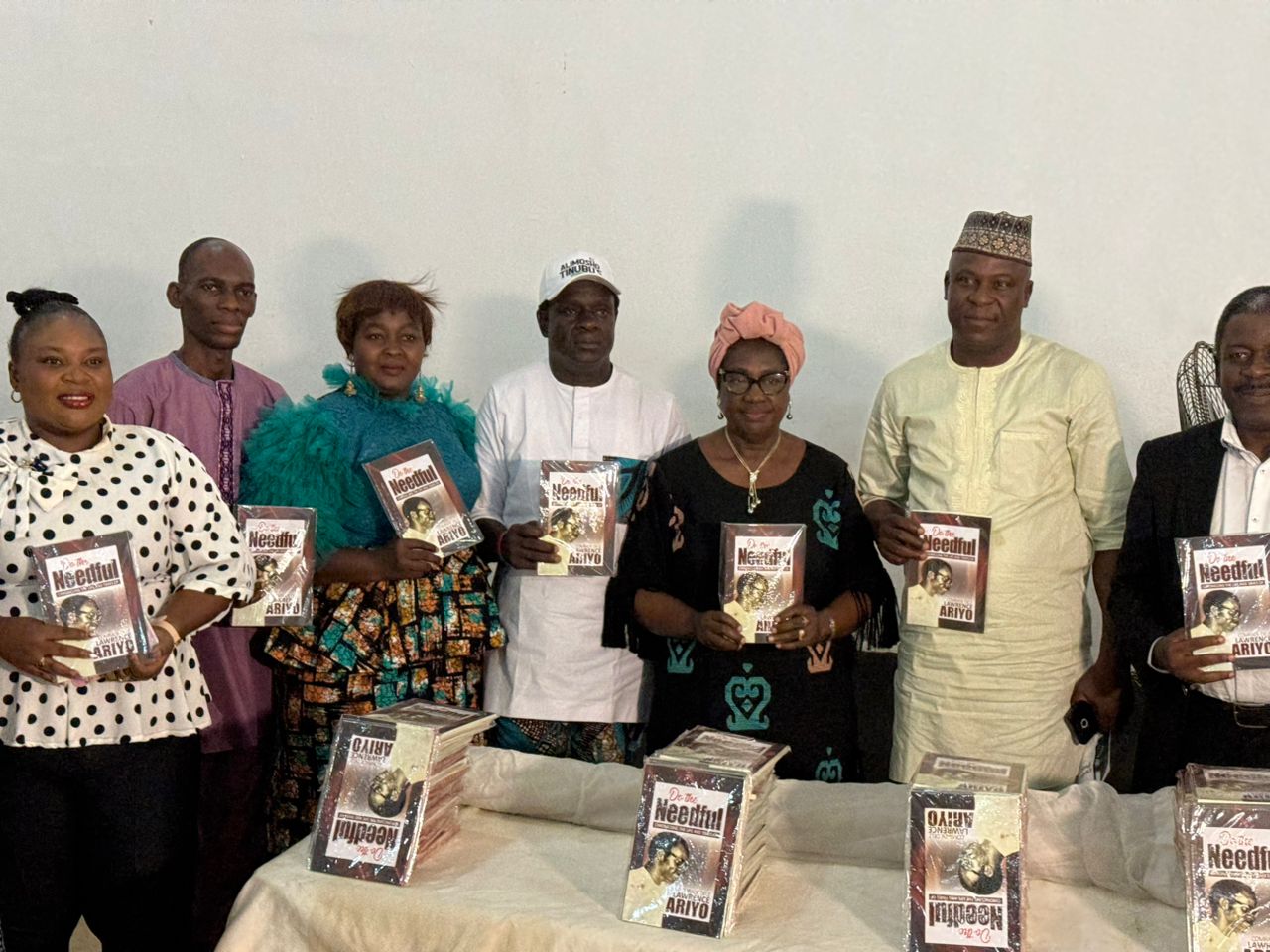
Mallam made the call in Lagos during the presentation of a memoir book titled “Do the needful” chronicling the life and contributions of a late textile union pioneer, Lawrence Ariyo an event that drew stakeholders from academia, labour, and industry.
Speaking on the sidelines of the programme, the former minister lamented that once-thriving textile hubs, particularly in Kaduna State, have become moribund, leaving thousands of workers without jobs.
“The textile industry in Nigeria is dead. In Kaduna alone, we had over five major textile companies that were very active. Today, they are no more. Cotton production, which used to sustain these industries, has also collapsed,” she said.
She attributed the decline largely to poor infrastructure, especially the persistent challenge of electricity, stressing that no meaningful industrial revival can occur without stable power supply.
“You cannot revive the textile industry without electricity. Let government fix power, and investors will come. Not just textile, many industries will spring up again,” she added.
Mallam further noted that Nigeria, once a leading textile producer in Africa, now depends heavily on imports, particularly from China, for clothing and fabrics.
“It is China that produces what we wear today. That should not be so. Nigeria used to be among the top textile producers in Africa, but today, the industry is nowhere to be found,” she said.
She expressed optimism that renewed attention to the sector could significantly reduce unemployment and curb insecurity across the country.
“If industries are revived and jobs are created, the insecurity we are facing today will naturally reduce,” she added.
Also speaking at the event, the Dean of the Faculty of Social Sciences, Lagos State University, Professor Olufemi Lawal, described the book as an eye-opener on the history and decline of Nigeria’s textile sector.
According to him, the publication provides detailed insights into the industry’s past contributions to the nation’s Gross Domestic Product and the factors responsible for its decline.
“There was a time textile production and cotton export contributed significantly to Nigeria’s economy. The book highlights what went wrong and suggests practical steps for revival,” he said.
Author of the book, Olusegun Ariyo, who is son of the late textile Pioneer leader, said the memoir was written to honour his late father, a pioneer in the textile union movement, and to reignite national discourse on the sector’s importance.
He urged the government to “do the needful” by implementing policies that would revive textile manufacturing and create employment opportunities for both skilled and unskilled workers.
The event, attended by family members, academics and industry stakeholders, calls for the resuscitation of Nigeria’s once-vibrant textile industry as a pathway to economic recovery.
Disclaimer
Comments expressed here do not reflect the opinions of Vanguard newspapers or any employee thereof.