By Ebunoluwa Sessou
Women in Nigeria and across the globe have made commendable strides in leadership across business, corporate environments, and public office. However, systemic barriers continue to impede their progress, rooted in structural inequalities, harmful stereotypes, and cultural biases that undermine women’s contributions and hinder their career growth.
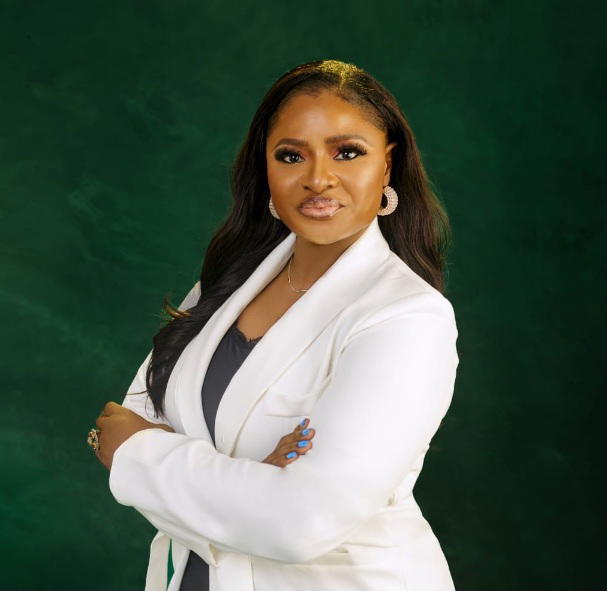
In this interview, Executive Director of Women in Management, Business, and Public Service, Owowunmi Akingbohungbe, speaks on why women are challenged in attaining leadership roles.
Sexual harassment and its reality Nigerian women still encounter sexual harassment, workplace bullying, gender bias, and societal stereotypes that create hostile work environments and limit their professional advancement. While comprehensive national data is limited, numerous reports indicate that sexual harassment remains a pervasive issue in Nigerian workplaces, deterring many women from pursuing or sustaining leadership roles.
Women in leadership roles frequently face intimidation, isolation, and deliberate exclusion from key decision-making processes. These actions not only undermine their authority but also discourage other women from aspiring to leadership positions.
Bullying, suppression, bias and stereotypes
Unconscious bias and outdated gender norms reinforce the notion that leadership is a male domain. The 2021 Global Gender Gap Report ranked Nigeria 139th out of 156 countries in terms of gender parity, highlighting the persistent disparities in leadership representation.
Lack of equal opportunities Many women face career stagnation due to limited access to mentorship, sponsorship, and leadership development programs. In Nigeria’s top 20 companies by market capitalisation, women hold only 23.4 per cent of board seats, with a mere 10 per cent having female board chairs, and none led by female CEOs.
A call for accountability and change
To build inclusive workplaces where women can thrive, organisations and policymakers must take deliberate steps to identify, address, and prevent those issues.
Creating safe work environments
Companies must implement strict anti- harassment policies, provide confidential reporting channels, and ensure that all complaints are taken seriously and investigated without bias.
Challenging gender bias Leaders should undergo unconscious bias training and commit to fair hiring, promotion, and leadership selection practices.
Holding perpetrators accountable…
There must be clear consequences for those who engage in harassment, discrimination, and suppression. Fair hearing and due process must be followed to ensure justice.
Encouraging women’s leadership development
Organisations should establish mentorship and sponsorship programs that actively support women’s career progression.
The importance of fair gender representation in leadership…When women are equally represented in leadership, organisations perform better, drive innovation, and make more informed decisions. Studies have shown that companies with diverse executive teams are more likely to outperform their peers financially. In governance, increased female political representation leads to policies that support economic growth, social welfare, and gender equity.
A leadership structure that reflects fair gender representation fosters a healthier, more inclusive and productive work environment where all individuals, regardless of gender, can express their full potential.
A collective responsibility for change
The fight for gender equality is not just a women’s issue; it is a human rights issue. Every organisation, leader, and individual has a role to play in dismantling these barriers. We must all work together to create an environment where leadership is based on competence, not gender; where talent is nurtured, not suppressed; and where every woman has the opportunity to rise without fear of bias or harassment.
These challenges are not new, but awareness and advocacy have never been stronger. While progress is being made, much more is required. The journey towards gender equality is a shared responsibility, and we must all commit to creating a future where women can lead boldly without limitations.
Disclaimer
Comments expressed here do not reflect the opinions of Vanguard newspapers or any employee thereof.