By Esther Onyegbula
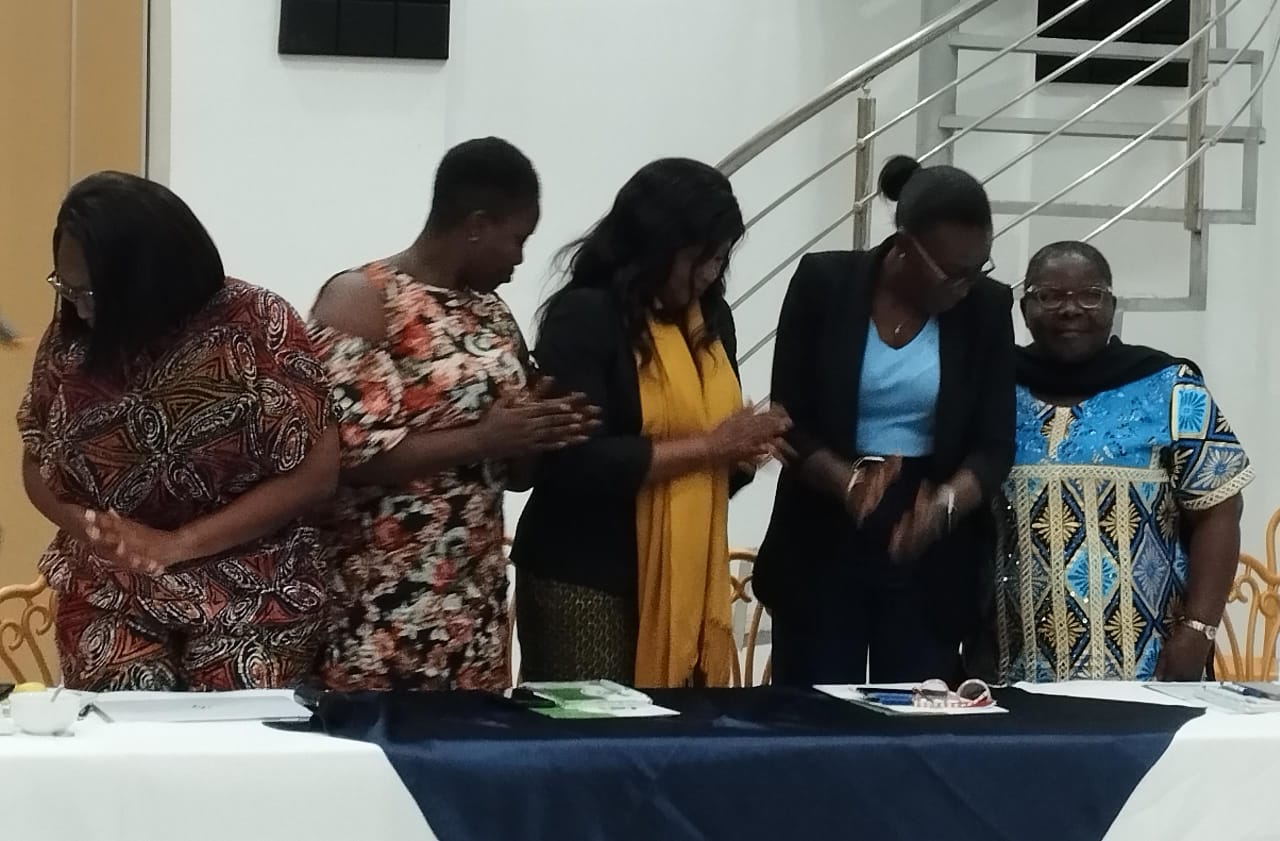
Stakeholders at a media engagement on improving reportage for the uptake of Multiple Micronutrient Supplements (MMS), organised by CS-SUNN Nigeria, have raised concerns over the worsening state of maternal and child malnutrition in Nigeria.
They called for intensified efforts to promote MMS uptake.
Speaking at the event, CS-SUNN Communications Officer Lilian Okafor emphasised the urgent need to address malnutrition, which remains a leading cause of maternal and child mortality.
According to the 2024 World Health Organisation, WHO, factsheet, one billion women globally lack access to adequate nutrition, with two out of every three women of reproductive age suffering from micronutrient deficiencies.
“Malnutrition is not just a global challenge; it is a national crisis. In Nigeria, recent data from the 2023-24 Nigeria Demographic and Health Survey, NDHS, shows a troubling increase in malnutrition rates compared to five years ago. Four out of every 10 children under five are stunted, while over half of women of reproductive age suffer from anaemia.”
She explained that the situation in Lagos State is particularly concerning, with 17.3 per cent of children under five stunted, 6 per cent underweight, and 14.3 per cent suffering from wasting. These conditions, she noted, compromise cognitive development, weaken immunity, and increase vulnerability to illness and mortality.
In response to these trends, Okafor highlighted that the Federal Ministry of Health and Social Welfare approved the use of MMS in 2021, following updated WHO guidelines. “MMS, which contains 15 essential vitamins and minerals, has been shown to significantly improve maternal nutrition and birth outcomes.
“Research indicates that daily MMS intake during pregnancy can prevent anaemia and improve overall health outcomes for mothers and babies. This cost-effective intervention is critical in addressing the malnutrition crisis,” Okafor said.
In her presentation, Fadairo Taiwo emphasized the importance of reducing anaemia in mothers and children.
“MMS is a vital supplement for pregnant women. Given the low nutritional indices for anaemia in women, the introduction of MMS is crucial. In Lagos, we’ve been using it for four years, and we’ve seen improvements. However, MMS is not a replacement for Iron and Folic Acid Supplements (IFAS). IFAS will still be used for women with severe iron deficiency, while MMS will serve as a preventive measure,” she clarified.
Taiwo also warned of the dangers of malnutrition. “Malnutrition can lead to chronic stunting, which causes permanent, irreversible damage. A malnourished child may look much younger than their actual age and suffer cognitive impairments. Acute wasting and stunting can lead to death before the age of six.
This is especially prevalent in suburban areas where nutritional knowledge is lacking,” she explained.
The Nutrition Programme Officer at the Lagos State Primary Healthcare Board, Dr. Adekitan Adetoke, called for a coordinated response.
“We need to strengthen advocacy, improve access, and engage communities to embrace MMS as a vital tool for maternal and child health,” she said.
The event underscored the importance of media engagement in raising public awareness and fostering partnerships to combat malnutrition. As Nigeria grapples with rising malnutrition rates, stakeholders remain hopeful that initiatives like this will lead to tangible improvements in health outcomes for women and children across the country.
Disclaimer
Comments expressed here do not reflect the opinions of Vanguard newspapers or any employee thereof.