By Prisca Sam-Duru
Digital art is changing art creation, its reception as well as how it is valued. Trending in Nigeria for over two decades, the wave of digital arts championed by the Gen Z artists is sweeping across the industry.
The uniqueness of their works reflects a blend of traditional patterns, contemporary themes, and novel techniques.
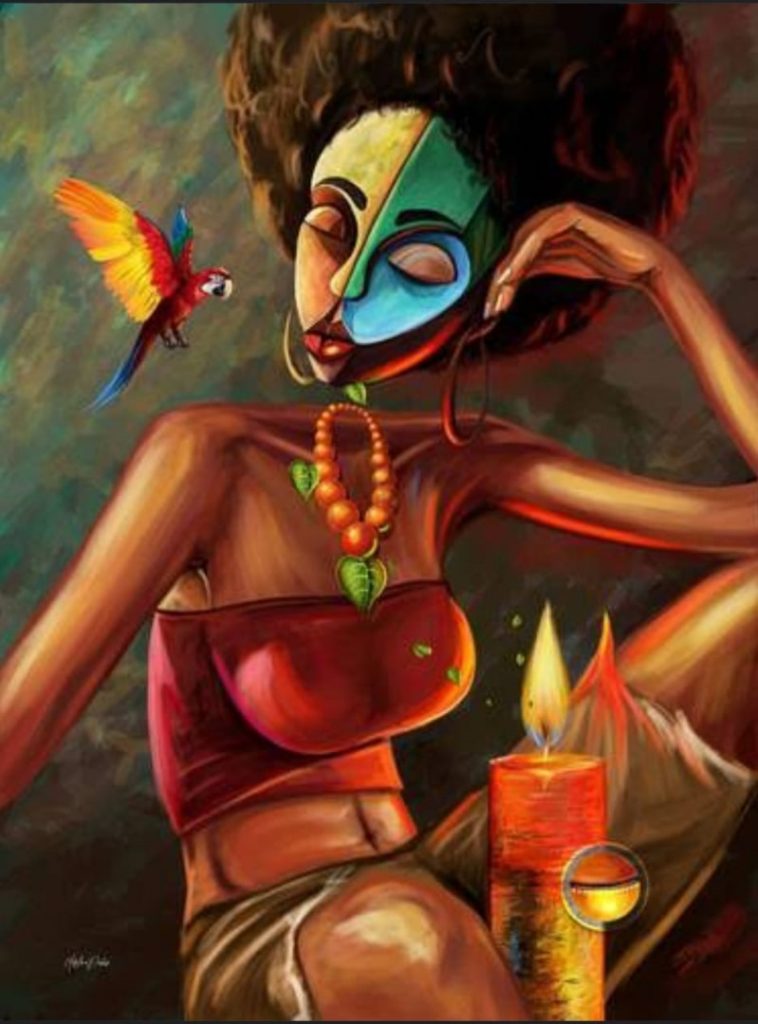
This evolution in the art sector has seen new generation artists making bold statements through works sought after internationally, courtesy of the growing accessibility of digital tools and platforms.
These artists are gradually turning the country into a dynamic hub for virtual art, enjoying unlimited possibilities technology provides, while challenging perceived standards.
Innovative technology which has revolutionised the art scene in Nigeria, has influenced both the creation and consumption of art in various forms, resulting in the establishment of numerous online galleries. Like the art galleries with physical structures, the online spaces hold exhibitions and auctions, encouraging many digital illustrators to join the trend.
Gone are the days when only a sizable number of artists ruled the country’s art industry. These days, young artists are using technology to transform Nigeria’s artistic landscape.
Social media is now helping to connect them with art enthusiasts across the globe as well as to create more opportunities for collaborations and exhibitions globally.
The history of employing technology in creation of amazing art pieces in Nigeria dates back to the year 2000 when Nigerian artists began experimenting with available technologies to produce works.
Virtual art, formerly known as computer art or new media, affords artists the privilege of employing cutting-edge techniques and digital tools such as computers, tablets, other electronic devices including smart phones to create striking works of art.
Software such as Illustrator, Adobe Photoshop, and Procreate come handy when experimenting with diverse styles and techniques – from digital painting to photo manipulation.
Just as other contemporary artists have always done, new generation artists use digital tools to also explore themes of rich African heritage, identity, values, culture, and socio-political issues. A good number also promote diverse landscapes in the country while engaging in environmental activism.
Since adopted, digital art has made an immense impact on the Nigerian art space. While many creatives see it as an art form that can easily be manipulated to produce a desired end result, it indeed, gives artists freedom to express their creativity in innovative ways. You’d marvel at how much sales these artists make online. One advantage is that unlike a traditional painting which could be difficult to reproduce, a particular digital painting can be reprinted several times and sold for an impressive amount equal to a traditional painting.
This is not to say that the art grand masters and many contemporary African artists who have been there before the advent of digital art are no longer as relevant as they used to be.
Iconic artists such as Prof. Bruce Onabrakpeya, Dr. Kolade Oshinowo, Duke Asidere, Victor Ehikhamenor, Peju Alatise, Ndidi Dike, Prof. Peju Layiwola, Victor Ekpuk, Njideka Akunyili-Crosby, Fidelis Odogwu, Dapo Popoola, Nze Barry Ezennaya, and many others, are not ready yet to give up the enviable position they occupy in the global art scene.
After struggling to find a space in the industry dominated by veterans, new generation artists who are tech-savvy are stepping out to make remarkable achievements in the global art community. Many talented artists like Kelani Abass, Dipo Doherty and Williams Chechet, a pop artist, graphic designer, illustrator and muralist, have all had their works exhibited across the globe with warm reception.
The use of vibrant colours, elaborate patterns, accompanied by evocative messages, often make their works stand out. For instance, One of Williams Chechet’s digital art titled ‘After the Sunset’, produced in 2018, depicts an image reliving a historical narrative. The human forms in military uniforms appear to be raising the Nigerian flag at the end of a war; probably, the Nigerian Civil war of 1967-1970. Colour pallets are used to depict the sunset.
Disclaimer
Comments expressed here do not reflect the opinions of Vanguard newspapers or any employee thereof.