…Sets stringent conditions for JV asset divestment
…Commences marketing of gas from AKK pipeline
By Michael Eboh
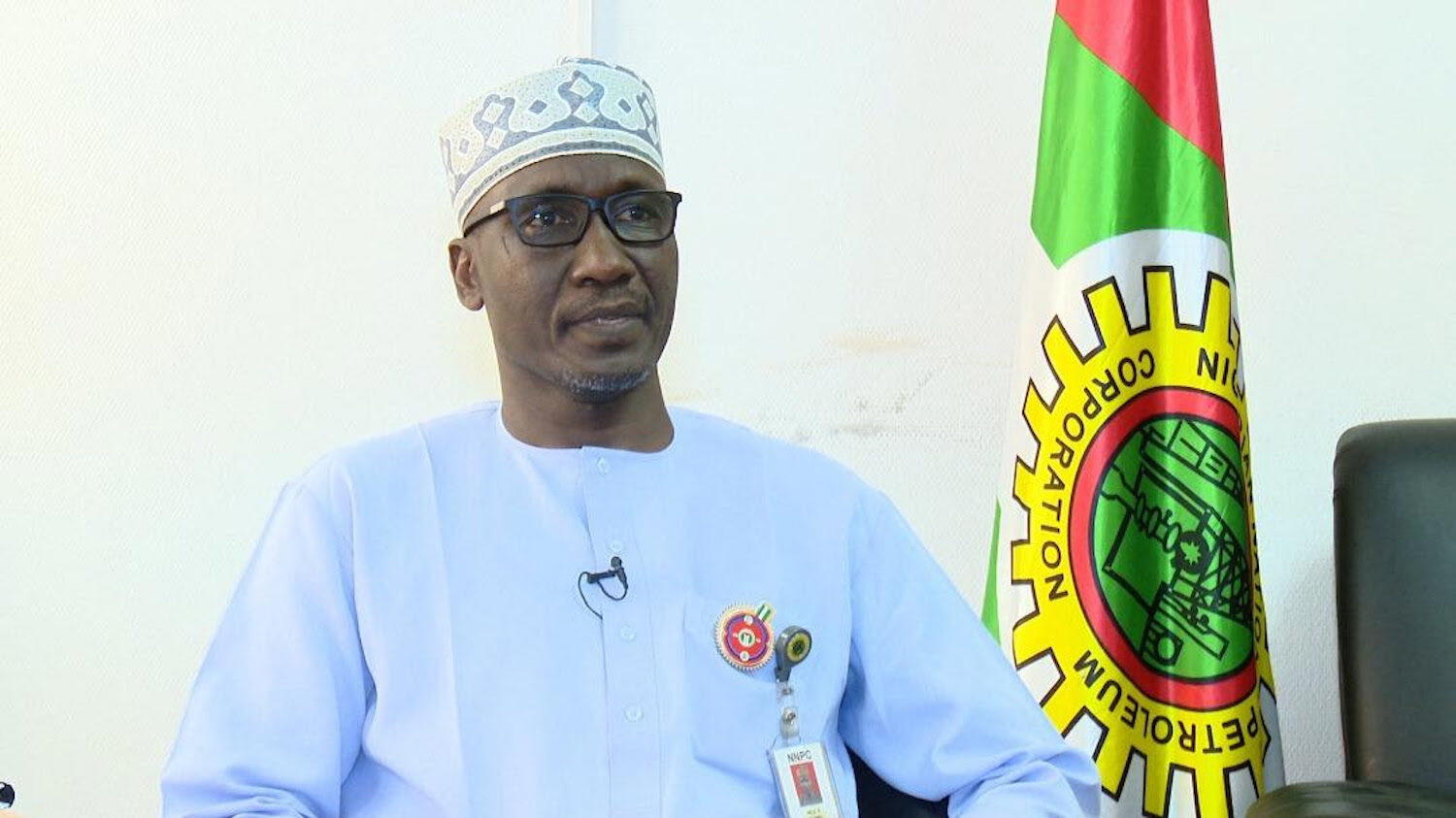
The Nigerian National Petroleum Corporation, NNPC, Tuesday, disclosed that buyers of the divested assets of its Joint Venture, JV, partners have all failed to make meaningful impacts and contributions to the development of the assets, almost ten years after their sale.
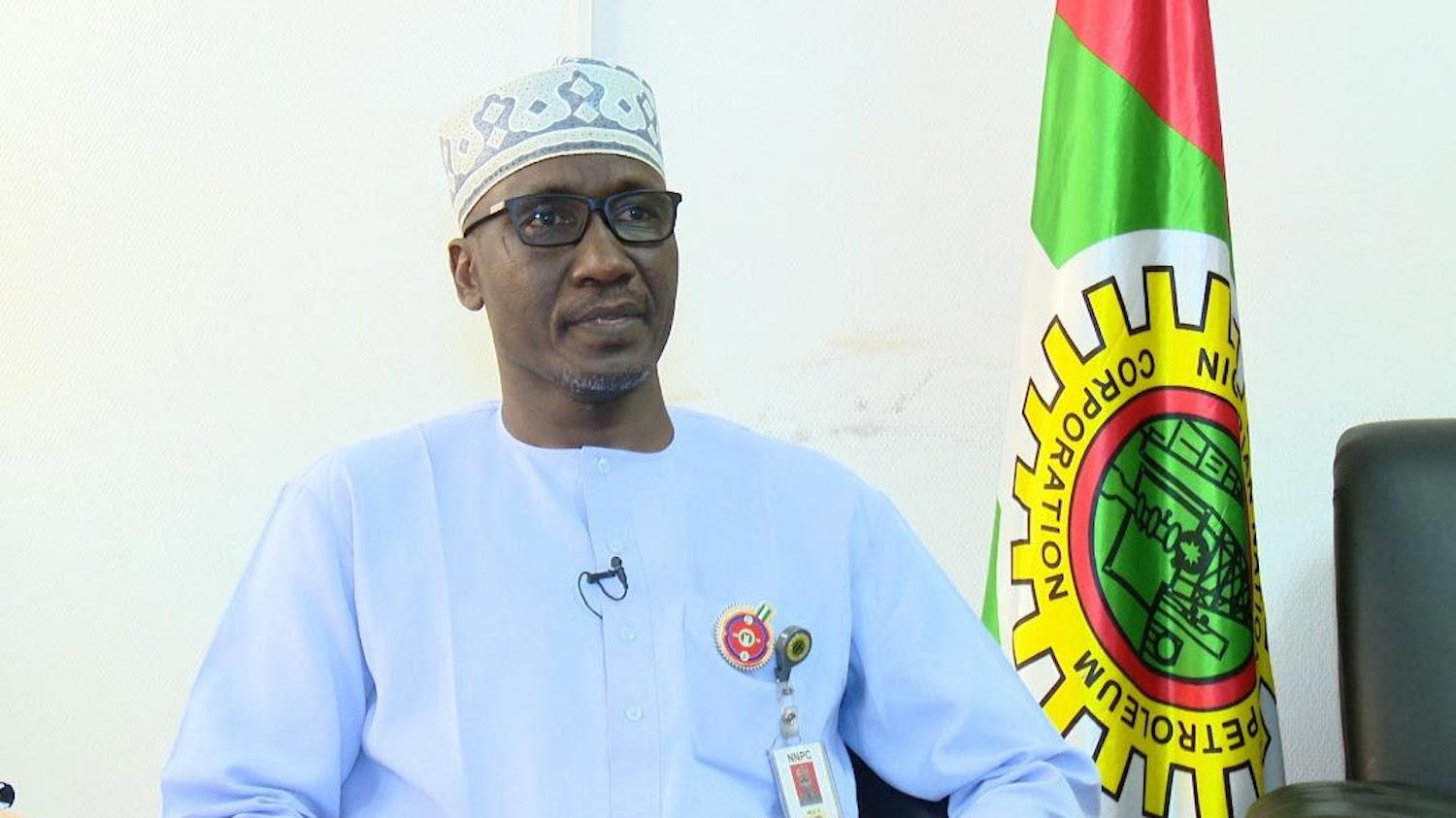
Group Managing Director, Mele Kyar
Speaking in Abuja, at a round-table on “Rethinking the future of the Extractive Industry,” at the 25th Nigerian Economic Summit, NES, Group Managing Director of the NNPC, Mallam Mele Kyari, expressed disappointment over the sale of the JV assets to the new partners, noting that if the NNPC had a forknowledge of the incompetence of the buyers, it would not have consented to the sale of the assets.
Going forward, he said the NNPC had rolled out stringent conditions for the divestment of assets by its JV partners, while he cautioned its partners against proposing the divestment of their stakes to firms who are not capable of improving the fortunes of the assets.
The NNPC chief executive noted that henceforth, firms who are seeking to acquire the assets of its JV partners must be able to manage the assets, attract financing and must be able to operate the assets.
He said, “In the last ten years, many of our partners have divested assets from the joint venture; some of the Production Sharing Contracts, PSC, have looked for other PSC contractors to join the business.
“For the JVs and without exceptions, all the divestment from our partners to all the companies we are now working with, did not deliver the value that we expected. Many of the assets went down, most of them could not add any production to the baseline. That is the reality that we have on ground now.
NNPC board Chairman tasks NLNG shareholders on revenue generation(Opens in a new browser tab)
“If we can roll back time and go back to 2010 up till 2012, NNPC would not grant those consents, if we had known this, because what the consent you are granting means is that they are bringing in a partner who would help you work the assets. If we know today that this cannot happen, we would not have consented to it. At that time, we did not have a choice, but today, we are in the best position to say no when we want to; we have a government that would tolerate us, support us and had insisted that we must do things correctly.
“Today, if you bring a partner who is on paper, an upstream operator, after the divestment is set, we will say no to it. That is the reality. It would also apply to our partners. This is a clear message to our partner, do not propose sale to people who cannot manage these assets, who cannot find financing and who cannot operate these assets.
“Indeed, the NNPC has the option of either pre-empting the transaction or to decline the consent of we are not convinced, especially if you are not able to give us the partner that would be able to do business as we expect.”
Since 2010, a number of multinational oil companies have divested and sold off their stakes in over 20 oil blocks and oil assets in Nigeria to a number of indigenous and foreign oil firms.
Commences marketing of gas from AKK pipeline
Speaking further on transitioning to a multi-sector gas economy, Kyari noted that ahead of the completion of the Ajaokuta-Kaduna-Kano, AKK, gas pipeline, scheduled for 2022, the NNPC had commenced engagements with investors across the West African sub-region to serve as off-takers for the gas that would be delivered through the AKK pipeline.
He said, “The AKK would happen and that would free about two billion standard cubic feet of gas into the market. It would also unlock supplies into the Escravos Lagos Pipeline System, ELPS, because without getting the AKK, you cannot develop the ELPS component of it. This is because there is a coalition between the upstream supply and this have the infrastructure we can take away.
“To the other end of the pipeline, beyond Kano, there is an ongoing engagement within the West African region to have ready buyers for that market as a tee-off for the Kano end so that it can go into those places in West Africa.
Consortium of banks refinances Neconde’s N2.3trn facility(Opens in a new browser tab)
“It would not only help us to get money, but would help us stabilise the West African sub-region and bring stability even to our country.”
Kyari further assured that the fiscal regime that would come up after the passage of the Petroleum Industry Bill, PIB would make the petroleum industry competitive, attract investors, while partners currently working with the NNPC would be encouraged to stay.
Disclaimer
Comments expressed here do not reflect the opinions of Vanguard newspapers or any employee thereof.