

Beyond diversification of ports
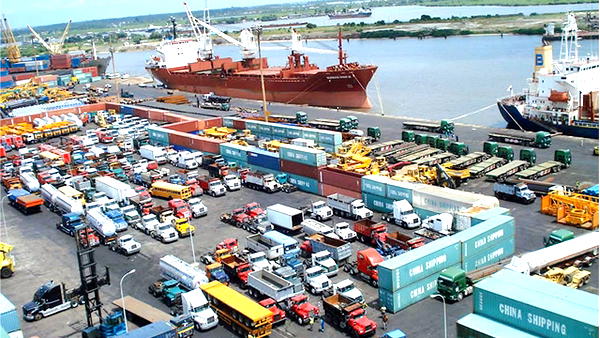
The Federal Government’s approval for the comprehensive modernisation of Onne, Delta and Calabar ports, alongside establishment of six new deep seaports, is laudable. It is a potentially transformative attempt to dismantle the excessive concentration of Nigeria’s maritime commerce around Lagos. The approved projects are Ibom, Bakassi, Agge, Gateway, Ondo and Bonny, building on the modernisation […]












Why NASS should not delay resumption further
THERE are worrisome indications that the National Assembly might shift the resumption date of the Senate and House of Representatives three weeks ahead from its scheduled Tuesday, 25th September to 15th October 2018. This is to enable members to participate in the primaries which will determine the fates of all political contenders in 2019.

Why Leah Sharibu is Buhari’s responsibility
It was a sober reminder to a country that so easily forgets that it has an unfinished business to secure her freedom like the rest of the 105 victims who were on March 21, 2018 returned by Boko Haram fighters to Dapchi in a dramatic fashion after holding them for 30 days. Boko Haram held on to Miss Sharibu because she refused to renounce her Christian faith.

Finding solutions to the flooding menace
Apart from the usual floods caused by poor management of the environment such as the blockage of drainage channels, erection of buildings along the paths of running surface water, as well as flooding along major river banks due to the release of water from dams, the World Meteorological Organisation, WMO, had declared 2017 as the hottest non-El-nino year in the recorded history of the globe.
Addressing extreme poverty in Nigeria
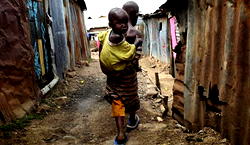
EARLIER in June, the Brookings Institution, an American think-tank research group, published data from the World Poverty Clock which showed that Nigeria, with the latest estimated population of 200 million, had overtaken India (1.32 billion population) as the “poverty capital” of the world. Specifically, it reported that with 87 million people already living below the poverty line, six new people fall into extreme poverty every minute.
Breaking the power sector logjam
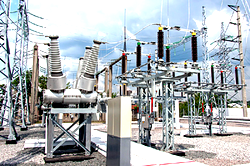
THE hope of a revived power sector heralded by the privatisation of power assets is fading fast.