By Dele Sobowale
“The economist like anyone else must concern himself with the fate of man.” Alfred Marshall, 1842-1924. (VANGUARD BOOK; p 45).
THE last time I checked, virtually all Nigerian universities, except those specializing in Agriculture or Technology advertise themselves as offering Economics among their numerous courses. That would presume that they have established Departments of Economics – complete with lecturers and even professors of economics.
Granted, I do not expect every economist to have come across the statement by Marshall, the father of classical economics. But, it should not be beyond expectation that economists in Nigeria’s universities would have recognized that, more than any teachers in any other discipline, the sudden decline in the price of crude oil, on which the nation depends for much of its livelihood constitutes a challenge to every economist in the country today.
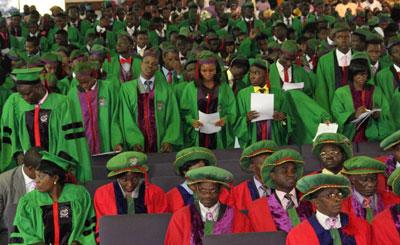
The economic fate of our country is at stake and the people who should be leading the debate, who should be active in analysing the problems and offering solutions are seating idle on their campuses and doing nothing. To describe the situation as surprising is to be polite. It is actually disappointing. This is primarily a battle for the brightest and best to take the lead in fighting.
I have tried in vain to understand why our intellectuals, especially economists, have stood aloof when the most earthshaking economic event of our era, since the Structural Adjustment Programme, SAP, of the 1980s, is unfolding. The passing Age of Oil, in Nigeria, represents something potentially more cataclysmic than the previous shock which brought about SAP.
This is a total and fundamental change calling virtually for new beginning. And who should be leading the national discussion about our future but economists? Is it because they don’t understand the enormity of the challenges facing our nation? Or they are unaware that whatever choices we make in 2015 – 2017 could have repercussions down the generations? Or that the unity of the nation itself could be threatened if credible solutions are not found?
Granted, it had been said that “war is too important to be left only to generals”; and economic reformation is also too important to be left exclusively for economists to decide. But, just as generals lead the war effort, economists must take the lead in shaping the nation’s economic revival – for the simple reason that they are the people trained to provide the leadership at a time like this.
Without the input of economists, government, and just the Federal Government alone, is left trying to find solutions to the complex problems besetting us. While one does not doubt the competence of government officials if operating freely as economists, they are now handicapped by two facts.
First, politicians, in government, generally, offer short term solutions – believing like late British Prime Minister, Harold Wilson, that, “A week is a long time in politics.” Short-term solutions, frequently more harmful in the long run, might be permissible if the problem is temporary. But, what confronts us is a fundamental shift in the way we run our economy. Short-term solutions will not be good for us.
Two, we face an election in 60 days. Even governments disposed to thinking long term will not adopt measures which might result in losing the election. The Austerity Measures, so far announced, demonstrate how difficult it is for a government facing an election to adopt the right measures, and, at the right time. The tendency is to delay until after the elections steps which should be taken now.
Visit: www.delesobowale.com or Visit: www.facebook.com/biolasobowale or follow on Twitter @DrDeleSobowale
Disclaimer
Comments expressed here do not reflect the opinions of Vanguard newspapers or any employee thereof.