By Aloba Seun
The most consequential shift in African economic development right now has little to do with the aid industry, multilateral development banks, or foreign direct investment from the West and East. It is being driven by African companies investing in other African countries.
The pattern is visible across sectors. Dangote Cement operates across eleven African countries. The group has committed over $23 billion in cross-border investment over the next five years, spanning refining, petrochemicals, fertiliser, and cement across Nigeria, Ethiopia, Zimbabwe, and East Africa.
In May, South Africa’s Government Employees Pension Fund and the Public Investment Corporation visited the Dangote refinery complex in Lagos to explore investment in the refinery’s stock exchange listing. A South African institutional investor putting capital into a Nigerian industrial enterprise: that is intra-African commerce working as it should.
In financial services, the movement is even more deliberate and runs in both directions. Four Nigerian banks now operate in Kenya: UBA, GTBank, Access Bank, and, since April this year, Zenith Bank. Access Bank operates in more than twenty countries, and UBA operates across twenty African markets. UBA Kenya’s deposits grew by more than 300 per cent between 2021 and 2025.
Meanwhile, South Africa’s Nedbank paid more than $850 million for a controlling stake in Kenya’s NCBA Group, one of East Africa’s largest banking platforms. As European lenders retreat from the continent, Nigerian and South African banks are converging on the same markets, deploying capital, hiring locally, building payments infrastructure, and generating tax revenue for host governments.
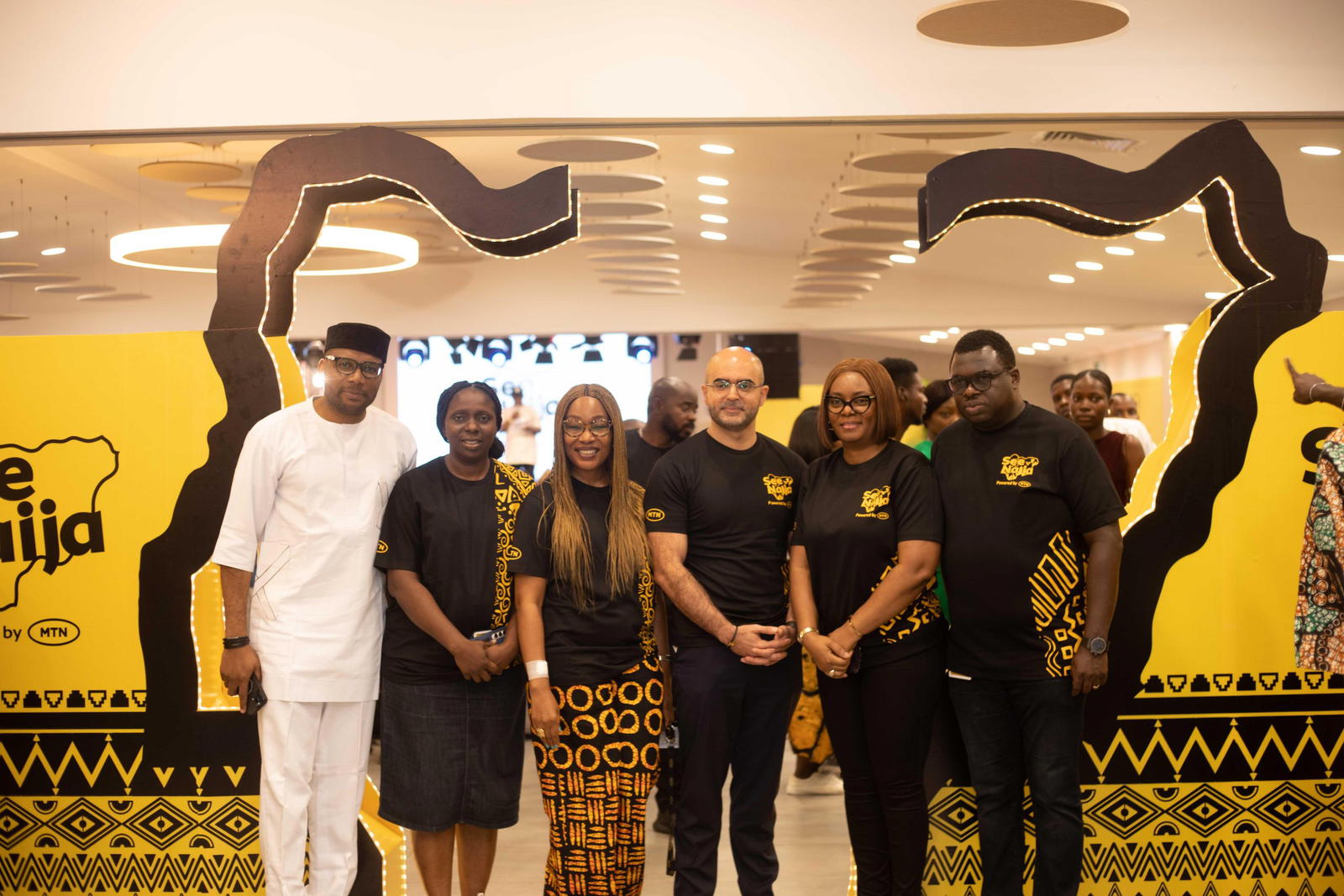
The same pattern holds in telecommunications. MTN operates across 19 markets and employs approximately 15,000 people, representing 74 nationalities. In 2025, 87 percent of the company’s new hires were local to their respective countries. Its largest single workforce is in Nigeria, where it has operated for over two decades and deployed more than ₦1.6 trillion in network infrastructure since the start of 2025 alone. Its fintech and digital platforms are creating cross-border payment and connectivity architecture that links markets from Lagos to Kampala.
What connects these otherwise unrelated expansions is a structural shift in how African economies relate to one another. For decades, the dominant model of African economic development was vertical: capital and expertise flowed from the Global North into African markets, often with conditions attached and limited technology transfer. What is now emerging, unevenly and with considerable friction, is something horizontal. African capital is moving laterally across the continent, bringing employment, institutional knowledge, and physical infrastructure.
The African Continental Free Trade Area provides the formal architecture for this shift, but companies are moving faster than the policy framework. The Nigerian banks entering East Africa are positioning themselves along trade corridors linking the continent to India, Dubai, and China.
This kind of economic interdependence is harder to build than a trade agreement and easier to damage than a diplomatic relationship. It is built on payroll, procurement, and long-cycle investment; it employs local people, operates under local regulation, and pays local taxes. Most importantly, it does what generations of development policy have struggled to achieve: binding African economies to one another through shared commercial interests.
Aloba Seun is a sociopolitical commentator writing from Lagos.
Disclaimer
Comments expressed here do not reflect the opinions of Vanguard newspapers or any employee thereof.