By Josephine Agbonkhese
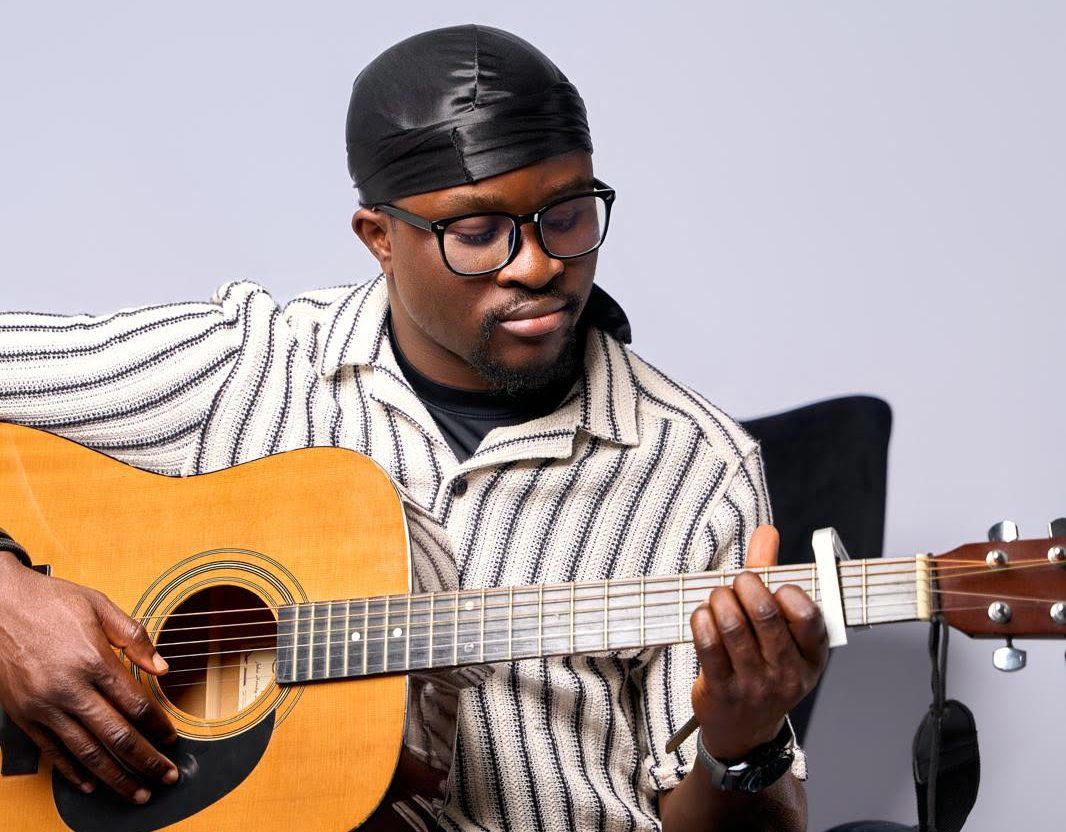
From the bustling streets of Lagos to international playlists across Africa, Europe, North America, and Asia, Akinwale Dayo Morakinyo—professionally known as Rakin Beats—has carved a distinctive space in contemporary African music. A multifaceted talent as a producer, songwriter, guitarist, recording artist, and creative director, Rakin’s sound is defined by its thoughtful balance of technical precision, emotional depth, and cultural rootedness. Blending Afrobeats, Afro-fusion, live instrumentation, and soulful storytelling, his work stands out for its versatility and restraint—qualities honed long before he stepped into professional studios.
Rakin’s musical foundation was laid in the church, where he began as a sound engineer. That early immersion in live mixing, real-time arrangement, and sonic balance became his first true music school, teaching him the value of listening deeply, knowing when to subtract rather than add, and ensuring every element serves the song. This philosophy shines through in his growing body of work, including his single ‘God Sent’ (2023) and his conceptual project ‘Rooted Frequencies’ (January 2026).
He tells more in this interview with Vanguard.
You were born and raised in Lagos and started in church as a sound engineer. How did that early experience with live sound, balance, and arrangement shape the producer and artist you are today?
Church was honestly my first music school. Working as a sound engineer taught me how different instruments and voices work together to create a complete experience. In a live setting, you don’t have the luxury of fixing things later, so you learn to listen carefully and make decisions in real time. That experience shaped the way I produce today. I pay a lot of attention to balance, space, and how every element serves the song. It also taught me that great music isn’t always about adding more sometimes it’s about knowing what to leave out.
Your works are praised for their versatility. What’s typically your philosophy when approaching a new beat or song?
I try not to approach every song with the same formula as the last song. Every artist and every record has its own personality, so my first job is to understand what the song and artiste needs. I usually ask myself, “What emotion are we trying to communicate?” Once I figure that out, everything else follows. Whether it’s Afrobeats, Afro-fusion, soul, or something experimental.
Tell us about the ‘No Sleep in Lagos’ EP; what was the inspiration behind it, and what does the title represent for you?
No Sleep in Lagos was inspired by the energy of the city itself. Lagos is fast, ambitious, unpredictable, and full of dreamers. There’s always something happening, and people are constantly chasing opportunities. The title reflects that hustle mentality, but it also speaks to creativity. Some of my best ideas have come during late nights. The project captures different emotions and experiences that come with living, creating, and surviving in a place like Lagos.
Your project Rooted Frequencies feels very conceptual. What themes or ideas were you exploring there?
Rooted Frequencies was really about identity, growth, and connection. I wanted to create something that reflected where I come from while also embracing where I’m going. The title itself speaks to staying rooted in your foundation while continuing to evolve. Sonically, I explored a blend of traditional influences and contemporary sounds. It was a project that allowed me to express different sides of myself as a producer, guitarist, and artist.
Walk us through a typical studio session or beat-making process for you. Do you start with guitar, drums, melody, or something else?
Honestly, it changes all the time. Sometimes a guitar idea comes first. Other times it starts with a drum groove or even a simple melody that pops into my head. The guitar is probably my most natural starting point because that’s how I first connected with music. But I try not to force the process. Once I find something interesting, I build around.
What do you look for in a collaboration, and how do you approach supporting other artists’ visions?
For me, collaboration starts with trust and respect. I enjoy working with artists who know who they are or are willing to explore and discover that together. My role isn’t to make every song sound like me; it’s to help bring the artist’s vision to life. I listen a lot, ask questions, and try to understand what they’re trying to communicate. The best collaborations happen when everyone is focused on serving the music rather than their ego.
In an era where many producers chase viral trends, how do you decide when to experiment versus staying true to your musical instincts?
I think experimentation is important, but it has to come from a genuine place. I don’t want to try something just because it’s trending. If a new sound excites me creatively, I’ll explore it. But at the same time, I always try to stay connected to what makes my music feel like my music. Trends come and go, but authenticity lasts much longer. I just have this believe that people can tell when you’re creating from a real place.
Building a global career as an independent artist comes with unique challenges. What have been some of the biggest obstacles you’ve faced, and how have you overcome them?
One of the biggest challenges is visibility because there are so many talented people creating amazing work, so standing out can be difficult. Another challenge is having to wear multiple hats as artist, producer, marketer, manager, and sometimes even accountant. I’ve learned that consistency is everything. You may not see results immediately, but if you keep improving your craft, building relationships, and showing up, opportunities eventually come.
What advice would you give to upcoming artists?
Spend time developing your skills, understanding your sound, and building genuine relationships. Also focus on becoming better before becoming famous because the process cannot be rushed and the industry changes constantly, but strong artistry will always stand out.
Beyond music, what other passions or experiences fuel your creativity?
I enjoy observing people and everyday life. Conversations, travel, culture, films, books, and even quiet moments can inspire ideas. I’m fascinated by stories and human emotions, and those things often find their way into my music. I also spend most of my time with my colleagues in my church band.
If you could collaborate with any artist dead or alive, local or international, who would it be and why?
That’s a difficult one because there are so many artists I admire but If I had to choose, I’d probably say Fela Kuti because of how fearless he was creatively. He wasn’t afraid to challenge conventions or create something completely unique. Internationally, someone like Quincy Jones would have been incredible because of his ability to bring different sounds and cultures together while still making timeless music.
What’s next for Rakin Beats? Any big projects, tours, or goals you’re excited about in the coming months?
Right now, I’m focused on creating more music, building meaningful collaborations, and expanding my reach internationally. There are a few exciting projects in development that I’m looking forward to sharing soon. Beyond releases, my goal is to continue growing as a producer, artist, and creative entrepreneur while creating work that connects with people across different cultures and backgrounds.
Disclaimer
Comments expressed here do not reflect the opinions of Vanguard newspapers or any employee thereof.