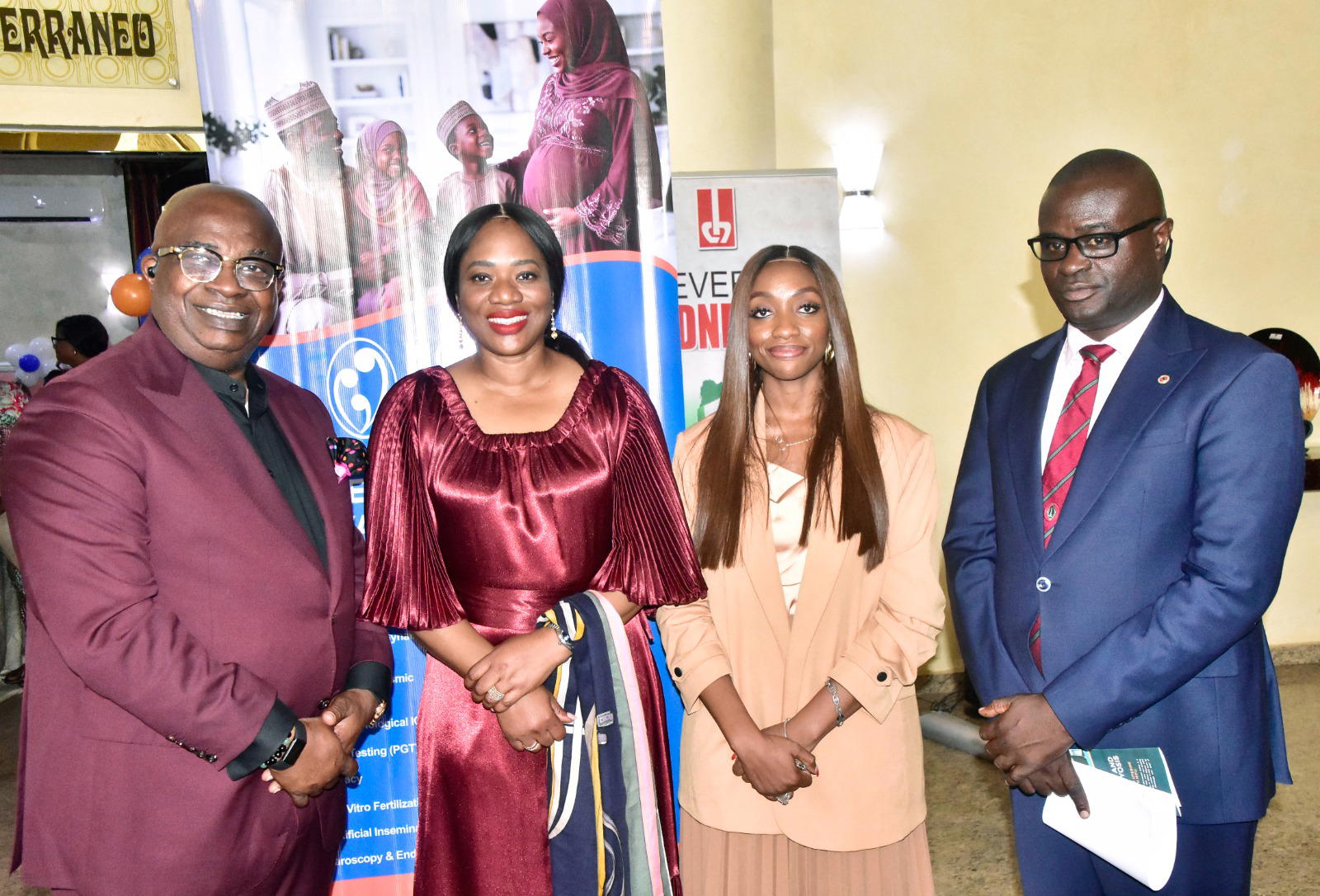
From left: Managing Director/CEO of Fibroid Fertility Centre, Abuja, Dr Abayomi Ajayi; Mandate Secretary for Health Services and Environment Secretariat, FCT, Dr Adedolapo Fasawe; Chief Operating Officer, NORDICA Fertility Centre, Dr Tosin Adeniyi and Director, Clinical and Diagnostic Services FCT HMB, Dr Osayande Osagie after the 2026 Abuja Reproductive Health Week yesterday
…as Nordica Specialist Hospital donates equipment to strengthen fibroid treatment and cervical cancer detection services in FCT
By Favour Ulebor, Abuja
The Mandate Secretary, Health Services and Environment Secretariat, HSES, Federal Capital Territory, Dr. Adedolapo Fasawe, has said uterine fibroids are placing a significant burden on women, families and the wider economy, contributing to infertility, pain, emotional distress and reduced productivity.
Fasawe made the remarks on Thursday during the Abuja Reproductive Health Week 2026 Open Forum, themed “Transforming Fibroid Care in Nigeria: Our Experience with Non-Invasive Treatment in Over 650 Women,” held in Abuja.
Speaking during the healthcare stakeholders meeting on new approaches to fibroid management, including non-invasive treatment technologies and improved access to early diagnosis and care, she said millions of women across Nigeria are affected by fibroids, often experiencing prolonged menstrual bleeding, abdominal pain, fertility challenges and extended periods away from work and economic activities.
Fasawe noted that many women delay seeking treatment due to fear of surgery, misinformation, cost and lack of awareness about available alternatives.
She explained that the introduction of High Intensity Focused Ultrasound (HIFU) technology is changing the landscape of fibroid treatment by offering a non-surgical option that reduces hospital stay and recovery time.
She said, “Fibroid affects millions of women across the FCT and across Nigeria. It causes not only infertility, it causes pain, it causes emotional damage, it causes economic downtime and work downtime.
“What this machine implies for women’s health is that you can have fibroid treatment without the conventional surgery. You can have fibroid treatment without the risks and complications of being in a hospital for a long time. And it is also very affordable.”
The Mandate Secretary said the initiative is part of broader efforts by the FCT Administration to strengthen reproductive health services through prevention, screening and timely treatment of diseases affecting women.
She recalled that the administration had expanded HPV vaccination and cervical cancer screening programmes across the territory over the past year.
Fasawe also disclosed the donation of a specialised medical device to Wuse District Hospital, describing it as a major boost to cervical cancer detection and treatment services in the FCT.
According to her, the equipment will allow clinicians to immediately treat abnormal cervical lesions detected during colposcopy, preventing progression to cancer.
She said, “The beauty of today is that we were donated by the Nordica Fertility Centre, a machine that we are the first, not only in FCT, in the whole country to have such.
“What it does is that immediately we see lesions that resemble cancer or can lead to cancer during a colposcopy session, we can immediately treat right there and then.”
She stressed that cervical cancer remains highly preventable when detected early and urged women to embrace regular screening.
“Cervical cancer is the second most common form of cancer in women. And early detection leads to a cure. It’s one of the most curable cancers known worldwide,” she added.
Chairman of Nordica Fertility Centre, Dr. Abayomi Ajayi, said Nigeria has the expertise needed to drive healthcare innovation locally and reduce medical tourism if supported with the right systems.
He said more than 940 women have already benefited from HIFU treatment, surpassing the 650 cases highlighted in the forum theme.
According to him, “We are approaching the treatment of 1,000 women and hope to share that milestone soon. Nigeria has the talent and expertise. The question is how we can continue to create systems that allow our professionals to thrive at home,” he said.
Ajayi noted that the collaboration with the FCT Administration was driven by a shared commitment to improving women’s health and expanding access to modern treatment options.
Experts at the forum said uterine fibroids remain a major public health challenge in Nigeria, affecting millions of women during their reproductive years.
They called for increased investment in innovative reproductive health technologies, stronger public awareness campaigns and continuous training for healthcare workers.
The experts also urged women experiencing symptoms such as heavy menstrual bleeding, pelvic pain, abdominal swelling and fertility challenges to seek prompt medical attention rather than delay care.
Disclaimer
Comments expressed here do not reflect the opinions of Vanguard newspapers or any employee thereof.