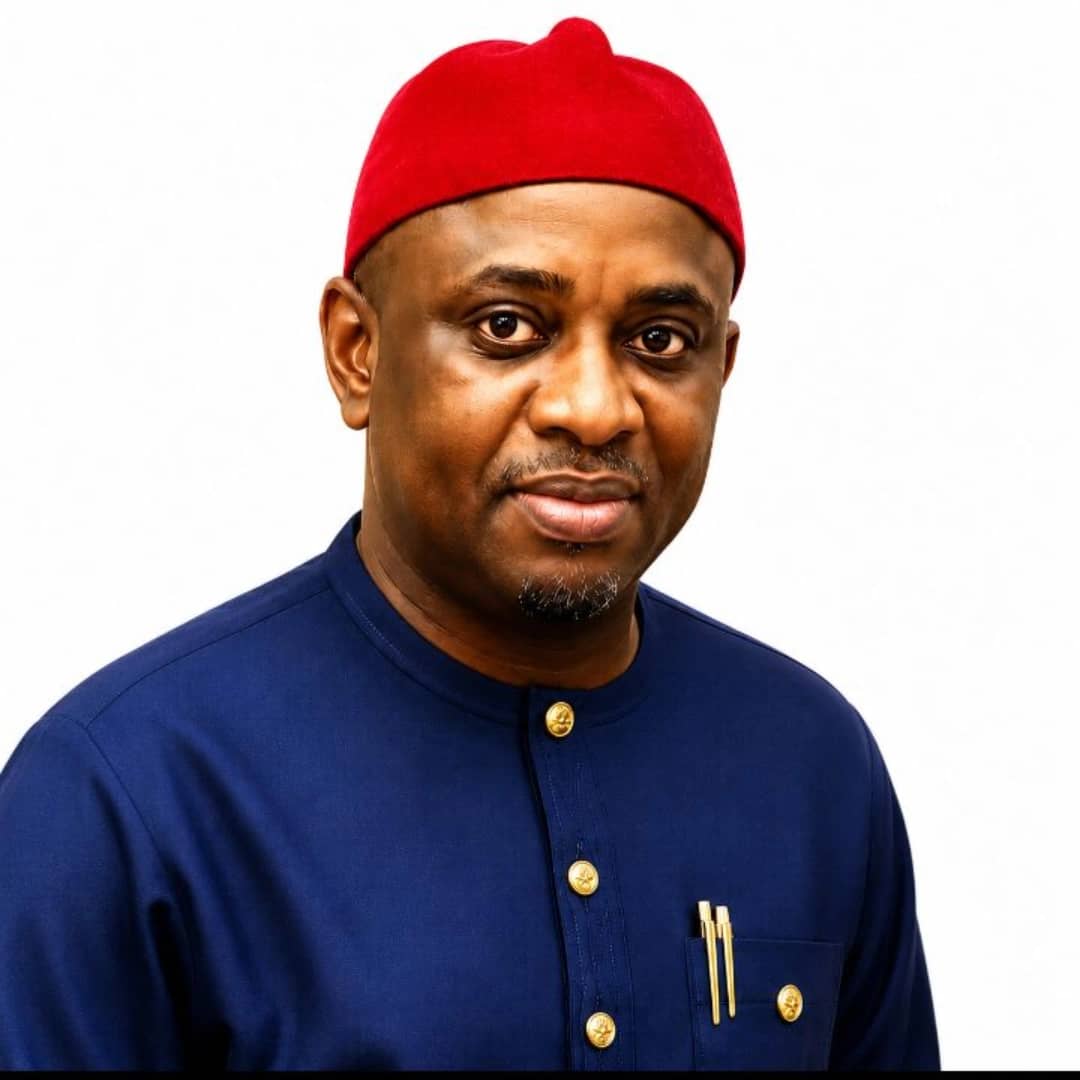
By Emeka Ezeh
Across many communities in Imo State, particularly in Orsu Local Government Area, years of insecurity have left deep scars on the social, economic, and physical fabric of society. Homes have been destroyed, businesses disrupted, schools abandoned, livelihoods lost, and many indigenes displaced. Beyond the visible destruction of infrastructure lies the less visible but equally devastating impact on trust, social cohesion, and community confidence.
As the region seeks a pathway to recovery, the establishment of the South East Development Commission (SEDC) presents a historic opportunity to drive sustainable reconstruction and community renewal. The Commission was created to address developmental deficits, infrastructural damage, ecological challenges, and the lingering effects of conflict and neglect in the South-East. Orsu, perhaps more than any other local government area in Imo State, offers a compelling case study for understanding both the challenges and opportunities of post-crisis reconstruction.
Understanding the Orsu Crisis
Between 2021 and 2024, Orsu became one of the areas most severely affected by insecurity in the South-East. Several communities, particularly parts of Orsu, including Ihiteukwa, Awo-Idemili, Ihitenansa, Umuhu Okabia, Umutanze, and neighbouring communities, experienced devastating attacks and prolonged instability.
Hundreds of lives were lost during the crisis, while many others were kidnapped or forced to flee their homes. Numerous cases of rape, arson, and other violent crimes left lasting physical and emotional scars on victims and communities.
The destruction extended beyond human casualties. Public and private infrastructure suffered extensive damage, including schools, health centres, electricity transformers, water projects, markets, community halls, roads, and residential buildings. Economic activities were disrupted, agricultural production declined significantly, and many families lost their primary means of livelihood.
The consequences of the crisis continue to be felt today through weakened institutions, youth unemployment, poverty, displacement, and reduced investor confidence.
Why Reconstruction Must Go Beyond Infrastructure
The experience of post-conflict societies around the world demonstrates that rebuilding communities requires more than constructing roads and buildings. Effective recovery must address four critical dimensions:
Damaged roads, schools, health centres, markets, electricity infrastructure, and water facilities must be rebuilt to restore normal community life.
Agricultural support programmes, access to credit, skills acquisition initiatives, and support for small businesses are necessary to revive local economies and create jobs.
Amnesty, Reintegration, and Community Stabilisation
Sustainable peace in Orsu requires more than security operations. There is a need to strengthen and improve existing amnesty initiatives for individuals who abandon violence and embrace lawful means of livelihood. Such programmes should provide vocational training, education, entrepreneurship support, psychological rehabilitation, and community reintegration opportunities.
The objective should be to reduce the likelihood of a return to violence while creating pathways for affected individuals to become productive members of society and contributors to local development.
A significant proportion of the population consists of young people whose futures have been disrupted by insecurity. Investment in education, entrepreneurship, vocational training, and digital skills is essential to prevent further cycles of violence and poverty.
The Strategic role of the South East development commission
The mandate of the South East Development Commission aligns closely with the needs of communities such as Orsu. To achieve meaningful impact, the Commission should prioritise:
Infrastructure Renewal
A comprehensive assessment of damaged infrastructure, followed by the phased reconstruction of roads, schools, healthcare facilities, electricity networks, water supply systems, and public markets.
Projects should be designed and implemented with the active participation of traditional rulers, town unions, women’s groups, youth organisations, religious institutions, and civil society groups.
Agricultural Revitalisation
Support for farmers through improved access to farm inputs, storage facilities, extension services, rural roads, and agricultural financing.
Special economic recovery programmes targeted at small and medium-scale enterprises to stimulate employment and attract investment.
Human Capital Development
Scholarships, vocational training centres, innovation hubs, and digital skills programmes aimed at preparing young people for the modern economy.
The SEDC should collaborate with the Federal Government, the Imo State Government, traditional institutions, and community stakeholders to support rehabilitation, skills acquisition, entrepreneurship, and reintegration programmes for individuals affected by the conflict. Such interventions can contribute significantly to long-term peace, security, and development in Orsu and neighbouring communities.
Given the scale of destruction experienced in Orsu, the South East Development Commission should designate the area as a priority post-crisis reconstruction zone. Such a designation would enable targeted investments in critical infrastructure, livelihood restoration, education, healthcare, and community development.
A special intervention package should focus on rebuilding destroyed public facilities, restoring electricity and water infrastructure, supporting displaced families, reviving agriculture, improving security coordination, and creating employment opportunities for young people. The goal should not simply be to restore Orsu to its pre-crisis condition but to build a stronger, more resilient, and economically vibrant society.
Experience has shown that the success of development commissions depends on transparency, accountability, community participation, and measurable outcomes. The SEDC must avoid becoming merely another bureaucratic institution and instead focus on delivering visible, people-centred projects that directly improve the quality of life of citizens.
The reconstruction of Orsu is not merely a local development challenge; it is a test case for the future of post-crisis recovery in the South-East. If properly implemented, the South East Development Commission can transform communities that have suffered the consequences of insecurity into centres of economic growth, social stability, and human development.
The people of Orsu do not seek sympathy; they seek opportunity. They seek roads that connect communities, schools that educate children, hospitals that save lives, reliable electricity and water supply systems, and economic opportunities that restore dignity. Above all, they seek a future defined not by conflict but by progress.
The success of the South East Development Commission will ultimately be measured not by the number of projects announced, but by the number of lives transformed. For Orsu and many other communities across the South-East, that transformation cannot come soon enough.
Emeka Ezeh is a politician
Disclaimer
Comments expressed here do not reflect the opinions of Vanguard newspapers or any employee thereof.