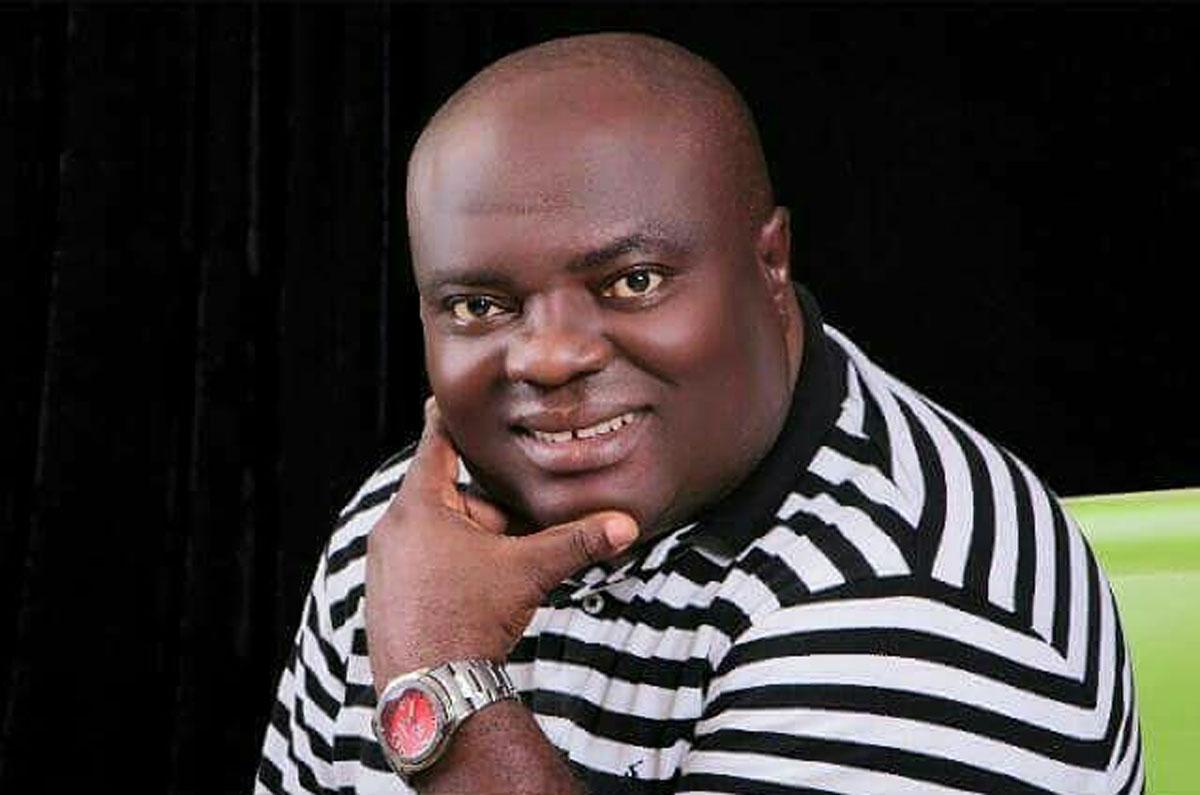
Sandy Onor
By Godwin Bisong
Presidential ambition, by any serious political standard, must be anchored on credibility, electoral strength, grassroots acceptance, and demonstrable leadership. It is rarely sustained by aspiration alone or proximity to power.
It is against this backdrop that recent attempts in some quarters to project Senator Sandy Onor as a potential presidential contender of the Peoples Democratic Party (PDP) deserve closer scrutiny.
At the highest level, politics is neither ceremonial nor charitable. It is a contest defined by structure, influence, and the proven ability to mobilise voters across multiple layers of the electorate.
By this measure, questions naturally arise.
The most basic test of political relevance begins at home. Can a politician command his ward? Can he secure his polling unit? Can he deliver his local government? These are not extraordinary benchmarks; they are foundational indicators of grassroots strength.
He lost his ward, lost his polling unit, and lost his local government, according to the officially declared results of the 2023 governorship election in Cross River State. While electoral outcomes can be shaped by multiple factors, such results inevitably raise questions about the depth and resilience of local political structures.
A politician seeking national office must demonstrate not only ambition but also a consistent record of electoral viability within his immediate political environment. National projection, in the absence of strong local footing, can appear premature.
Even within parts of his perceived political base in Etung Local Government Area and surrounding communities, observers have pointed to the need for stronger, more cohesive grassroots consolidation. Without this, any broader national aspiration may struggle to gain the necessary traction.
This is not to dismiss ambition—far from it. Political ambition is both legitimate and necessary in a democratic system. However, ambition must be matched with measurable political capital and verifiable public support.
As conversations around future presidential contests gradually take shape, it is also important for key political actors, including allies of President Bola Ahmed Tinubu, to carefully assess emerging alignments and narratives. Political positioning in Abuja often reflects layered interests, and not all signals carry equal weight.
Meanwhile, Cross River State’s current political direction under Governor Bassey Otu continues to shape local sentiment, particularly in areas such as infrastructure, governance reforms, and economic repositioning. These factors contribute to how voters interpret both performance and future political claims.
Ultimately, electoral politics remains grounded in numbers. Election results—however interpreted—provide a tangible measure of influence and acceptance. They may not tell the entire story, but they offer a credible starting point.
Before any serious conversation about a presidential bid can take hold, there must be clear evidence of sustained political strength at the grassroots and beyond.
For now, the idea of a Sandy Onor presidential project may resonate in some circles, but broader acceptance will likely depend on stronger electoral validation and deeper political consolidation.
In politics, perception matters—but performance matters more.
Comrade Godwin Ogar Bisong, a former PDP member and public affairs analyst, writes from Ikom, Cross River State.
Disclaimer
Comments expressed here do not reflect the opinions of Vanguard newspapers or any employee thereof.