By Esther Onyegbula
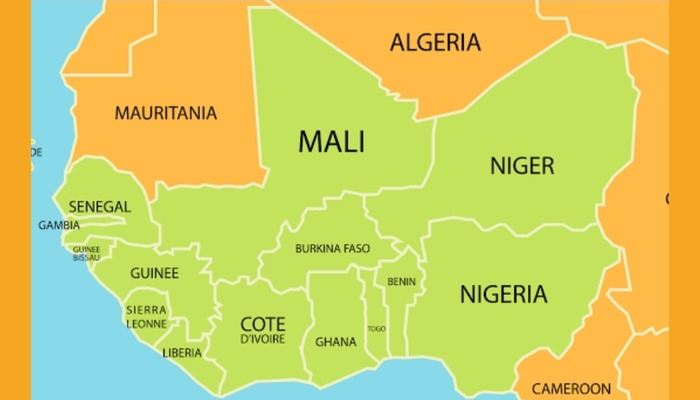
The rescue of a 22-year-old physically challenged girl from Imo State, Princess Nnenna, has exposed a growing human trafficking network linking Nigeria, Benin Republic and Mali, raising fresh concerns over the exploitation of vulnerable young women under the guise of economic opportunities.
The Global Anti-Human Trafficking Organization, GAHTO, which facilitated her return, warned of an alarming rise in cross-border trafficking involving young girls, particularly from the South-East, and called for urgent government intervention to curb the trend and support survivors.
Nnenna’s account revealed a well-coordinated trafficking chain stretching from Imo to Onitsha and Lagos, where she was allegedly recruited by a woman operating around an “underbridge,” before being transported through Cotonou in Benin Republic to Mali.
“At Mali, I met many Nigerian girls under a ‘madam.’ They were sending money to her, but nobody told me how much I would have to pay,” she said, alleging that victims were forced into prostitution and made to remit earnings to their handlers.
Despite being aware of the nature of the job, the victim said economic hardship and the need to care for her three-year-old son and ailing mother compelled her to accept the offer.
Her ordeal, however, was cut short after her health deteriorated. Nnenna, who suffers from epilepsy linked to a childhood stroke, said she ran out of medication during the journey, resulting in frequent seizures that made her unable to meet the demands of her traffickers.
She was subsequently sent back to Nigeria and later rescued through GAHTO’s intervention.
Her mother, Mrs. Ipe Ikenna Laura, disclosed that Nnena had battled severe health challenges since the age of two, including convulsions, epilepsy and memory loss, adding that she has borne the burden of care alone after her husband abandoned the family.
“I didn’t even know she had travelled until I was contacted after she was brought back,” she said, lamenting the toll of years of caregiving compounded by her own health struggles.
Now back home, the victim is seeking assistance to rebuild her life. Currently in Senior Secondary School II, she expressed a desire to continue her education or acquire vocational skills, alongside urgent medical support to manage her condition.
Reacting to the development, GAHTO urged the Imo State Government and relevant stakeholders to provide targeted rehabilitation, healthcare and empowerment programmes for trafficking survivors, particularly those with underlying vulnerabilities.
The organisation also called on the Office of the Wife of the Imo State Governor and the Ministry of Women Affairs and Social Welfare to prioritise interventions addressing the socio-economic drivers of trafficking and prevent re-trafficking.
Stakeholders say the case underscores the increasing sophistication of trafficking syndicates operating across West Africa and highlights the urgent need for coordinated efforts to dismantle such networks while providing sustainable support systems for victims.
Disclaimer
Comments expressed here do not reflect the opinions of Vanguard newspapers or any employee thereof.