By Joseph Erunke, Abuja
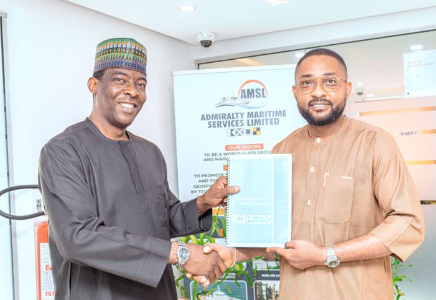
The Equipment Leasing Registration Authority ,ELRA, and Admiralty Maritime Services Limited ,AMSL, have sealed a landmark partnership designed to strengthen asset registration, tighten compliance standards, and promote structured financing within Nigeria’s shipping and marine services sector.
The development was disclosed in a statement issued in Abuja by the Head of Media and Corporate Communication at ELRA, Adebola Sunday, who described the agreement as a strategic intervention to deepen transparency and reinforce regulatory oversight across the industry.
According to Sunday, the collaboration is expected to reposition the marine and shipping ecosystem for enhanced investor confidence and sustainable growth by formalising asset-backed financing structures nationwide.
Speaking at the signing ceremony, ELRA Registrar/Chief Executive Officer, Mr. Donald Wokoma, characterised the deal as a decisive step in advancing the Authority’s regulatory mandate.
“This partnership is a practical step that reinforces our regulatory mandate and drives structured asset financing in the industry. It will strengthen compliance with lease registration standards and deepen transparency across operations,” Wokoma said.
He further noted that improved asset registration and documentation would significantly enhance credit security for financiers, reduce risk exposure, and attract long-term capital inflows into the maritime sector.
On his part, the Managing Director of AMSL, Real Admiral Mushsin Abba, said the agreement aligns the company’s operational and financing processes with established regulatory frameworks, thereby strengthening its corporate governance profile and market competitiveness.
“This partnership strengthens our compliance framework and positions AMSL as a transparent, investor-ready service provider. It reinforces our commitment to operational excellence and structured growth,” Abba stated.
The pact is expected to tighten adherence to lease registration standards, institutionalise structured asset financing, strengthen investor confidence, and promote greater accountability and regulatory alignment within the sector.
Industry analysts view the agreement as part of a broader shift toward institutional collaboration as a catalyst for reform.
Observers say it sets a new benchmark for transparency, innovation, and sustainable development in Nigeria’s shipping and marine ecosystem, at a time when the sector is seeking deeper capital participation and global competitiveness.
Disclaimer
Comments expressed here do not reflect the opinions of Vanguard newspapers or any employee thereof.