By Ibrahim Hassan-Wuyo
The Islamic Medical Association of Nigeria (IMAN) has called for comprehensive, faith-sensitive policies to guide the integration of artificial intelligence (AI) and modern medical technologies into Nigeria’s healthcare system.
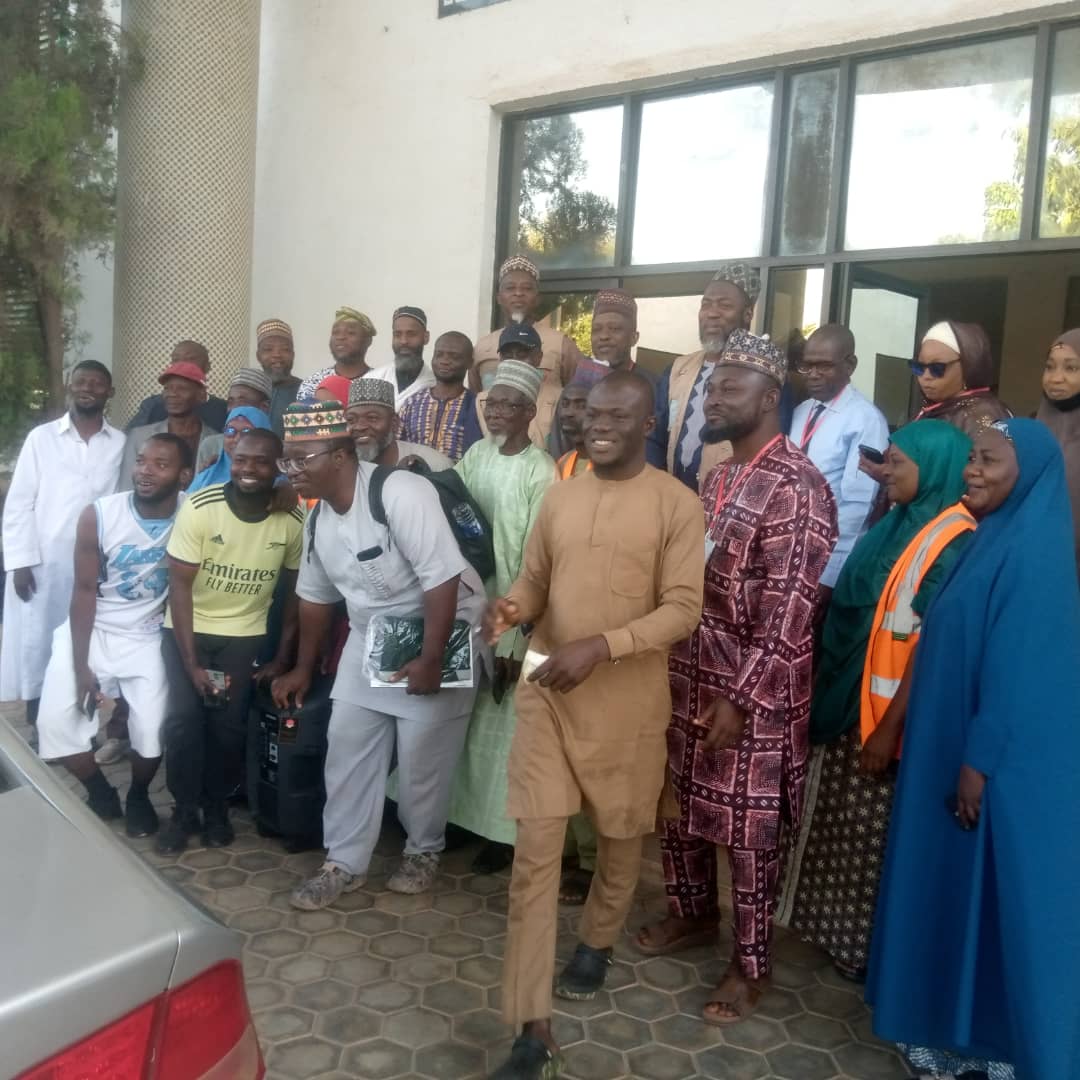
The call was made at the end of the Association’s 26th National Annual General Meeting and Scientific Conference, held from December 1 to 5 at Arewa House, Kaduna, where over 1,000 delegates from across Nigeria and beyond participated both physically and virtually.
The conference, themed “Artificial Intelligence in Healthcare,” examined issues around reproductive health and Islamic values, harmful cultural practices, medical ethics, end-of-life care, non-communicable diseases, and the preparedness of Muslim health professionals for an AI-driven healthcare environment.
The hybrid event featured global virtual participation via Zoom and included pre-conference workshops on addiction prevention, youth leadership in patient-centred care, Islamic microfinance, psychotrauma management and Ibaadah-friendly hospital practices.
The opening session was chaired by Hon. Abdulmalik Zubairu and represented by Hon. Saad Wada Taura. The event was declared open by the Kaduna State Governor, Senator Uba Sani, represented by the Deputy Governor, Dr. Hadiza Balarabe, through the Commissioner for Health, Hajia Umma K. Ahmed.
Also in attendance were the Governor of Jigawa State, Malam Umar Namadi, represented by the Commissioner for Health, Dr. Muhammad Kainuwa, and the Emir of Zazzau, Ambassador Ahmad Nuhu Bamalli, alongside chief medical directors of tertiary hospitals in Kaduna and Zaria. Former Minister of Communications and Digital Economy, Prof. Isa Ali Ibrahim Pantami, and NFELTP Resident Advisor, Dr. Muhammad Shakir Balogun, delivered the lead presentations.
Delegates presented scientific papers and held extensive discussions on emerging challenges at the intersection of healthcare, religion, culture and technology. Participants expressed concern over the widening gap between rapidly advancing AI and reproductive technologies and the slower development of ethical, legal and religious guidelines to regulate them.
They highlighted the persistence of harmful cultural practices such as female genital mutilation, vaccine refusal and rejection of blood transfusion, often justified on cultural or religious grounds despite established health risks. Ethical concerns relating to AI-assisted clinical decision-making, including data privacy, algorithmic bias and the risk of eroding compassion in palliative and end-of-life care, also featured prominently.
Delegates further raised concerns about the influence of religious and cultural beliefs on health-seeking behaviour, particularly delays in preventive care, contraception and evidence-based treatment. The growing burden of road traffic accidents and non-communicable diseases was also noted, alongside issues affecting older persons, gender-sensitive healthcare and the safety of certain customary newborn practices.
At the conclusion of the conference, IMAN resolved to champion the development of culturally grounded policy and legal frameworks that align AI and modern medical innovations with Islamic bioethics. The Association also committed to strengthening collaboration with religious scholars and community leaders to correct misconceptions that promote harmful practices and hinder access to modern healthcare.
Delegates called for strong national regulatory structures for AI use in medicine, ensuring human oversight, transparency and multidisciplinary input. They also advocated for training programmes to equip Muslim healthcare workers to manage ethical AI deployment and culturally sensitive care, alongside expanded telemedicine services, improved geriatric and palliative care, better digital health literacy and the development of Islamically informed AI tools for accident prevention and emergency response.
IMAN concluded by expressing appreciation to President Bola Ahmed Tinubu, Governors Uba Sani and Umar Namadi, the Emir of Zazzau, members of the National Assembly, health officials, hospital management teams, keynote speakers and all participants for their contributions and support, while commending the hospitality received in Kaduna and wishing delegates a safe return to their destinations.
Disclaimer
Comments expressed here do not reflect the opinions of Vanguard newspapers or any employee thereof.