By Marie-Therese Nanlong
Jos – Global Peace Development (GPD) has rolled out a major peacebuilding initiative aimed at easing long-standing tensions between farming and pastoral communities in Plateau, Benue, Kaduna, and Katsina States.
The project, known as Promoting Agropastoralism Reconciliation and Resilience for Sustainable Livelihood and Peace (PARSULP), seeks to foster dialogue, improve natural resource management, and strengthen community resilience in conflict-prone areas.
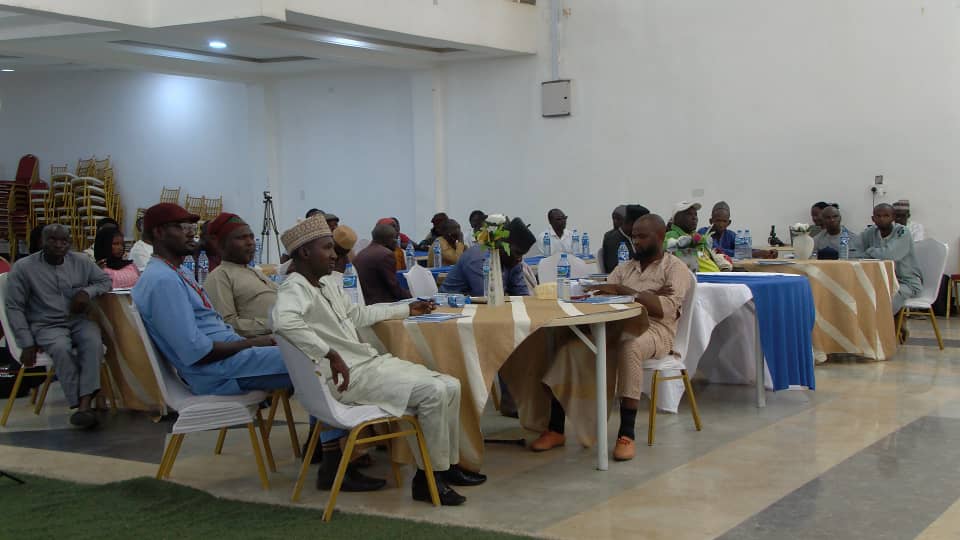
The project was unveiled at a multi-stakeholder forum that brought together government representatives, security agencies, traditional and religious leaders, civil society actors and local community members.
The gathering provided a platform to outline shared commitments and explore strategies for sustainable peace and development in agropastoral regions.
In his keynote address, the Executive Director of Global Peace Development, Ebruke Esike, described PARSULP as a response to the deep-rooted social fragmentation and displacement caused by recurring conflicts.
He explained that the initiative prioritises reconciliation, climate-smart cooperative livelihood models such as agropastoralism and agroforestry, and inclusive dialogue frameworks that can transform hostilities into cooperation.
According to him, the project will directly benefit 4,410 individuals and indirectly impact over 19 million others across the four states.
Esike stressed that effective peacebuilding requires policy advocacy and joint economic ventures that encourage both farmers and pastoralists to see shared opportunities rather than competing interests. He expressed confidence that the initiative will help communities build trust, manage natural resources more efficiently and reduce the triggers of violence.
His words, “The project is a new initiative aimed at promoting peaceful coexistence and resilient livelihoods among farming and herding communities in Benue, Plateau, Kaduna, and Katsina States, and seeks to strengthen dialogue and cooperation between agropastoral groups affected by recurring tensions and competition over natural resources.
“It builds on GPD’s long-standing experience in peacebuilding and community development by addressing the root causes of farmer-herder conflicts, such as land degradation, climate variability, and access to shared resources, while promoting sustainable livelihood opportunities and social cohesion.
“The project is designed to foster inclusive dialogue platforms that bridge divides between farming and herding communities, support community-based mechanisms for conflict prevention, reconciliation and peace building, support agro-forestry practices that contributes to community resilience.
“Promote sustainable resource management practices that enhance productivity and reduce tensions, strengthen the role of women and youth in peace and resilience-building processes.
“The launch will provide a platform for government agencies, security agencies, traditional and religious institutions, civil society partners, and community representatives to discuss collaborative pathways for sustainable peace and development.”
The District Head of Riyom, Da Samuel Jok, welcomed the project, describing it as a milestone in ongoing efforts to promote harmony between farmers and herders, noted that communities have long advocated initiatives of this nature and added that sustained implementation could significantly improve peace and stability in the area.
PARSULP Project Manager, Danjuma Mohammed, reiterated that the programme is designed to strengthen peaceful coexistence and enhance livelihoods for both groups, and emphasised that addressing economic vulnerabilities is essential to reducing tensions and ensuring long-term cooperation.
The representative of the Director General of the Plateau Peace Building Agency, Kenneth Dakop, praised the launch, saying it aligns with the State’s strategic peace and humanitarian priorities.
He expressed optimism that the initiative will support ongoing efforts to prevent conflict escalation and build strong community structures for dialogue.
As PARSULP begins implementation in the four target States, stakeholders hope its focus on shared resources, inclusive development and community-driven solutions will help break the cycle of violence and lay the foundation for resilient agropastoral communities.
Disclaimer
Comments expressed here do not reflect the opinions of Vanguard newspapers or any employee thereof.