By Elizabeth Osayande
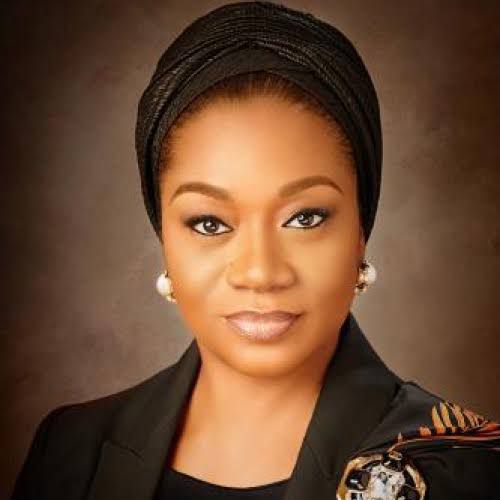
Aishah N. Ahmad, former Deputy Governor of the Central Bank of Nigeria and Trustee of WIMBIZ, has called on capital markets to open leadership positions to women. According to Ahmad, the exclusion of women from leadership in Nigeria’s economic governance is a significant weakness in the system.
The Current State of Women in Leadership
She notes that despite their numbers and proven capabilities, women remain dramatically underrepresented in leadership and decision-making spaces. “Progress through advocacy and voluntary targets has been incremental at best,” she says. “To shift the needle substantially, something stronger is required: clear mandates and quotas that compel institutions to open space for women in leadership.”
A Proven Model
Citing the Central Bank of Nigeria’s policy in 2013, which required banks to have at least 30% of board seats and 40% of senior management positions held by women, the WIMBIZ trustee reiterated that: “This policy created the foundation for change,” she says. “More than a decade on, the industry has more women in leadership than ever before, and the evidence of their impact is compelling.”
The Benefits of Inclusion
Ahmad emphasises that including women in leadership positions has numerous benefits, including stronger governance, greater innovation, and deeper resilience. “When women are at the helm, institutions and economies are stronger,” she says.
A Call to Action
The former Deputy Governor, CBN urges capital markets to adopt similar mandates, requiring 40% of leadership positions to be held by women. “The effects will be transformative,” she says. “Products will better serve female investors and entrepreneurs. More diverse talent will flow into the system. Inclusion will accelerate far beyond banking.”
The Cost of Exclusion
Ahmad highlights the enormous cost of excluding women from leadership positions in the financial sector. “The Gates Foundation’s What Women Want survey identifies lack of start-up capital as the top barrier preventing women from economic success,” she says. “Women entrepreneurs consistently demonstrate resilience and strong repayment records, yet Nigeria’s women-owned SMEs face a financing gap of more than $20 billion.”
A way forward
Ahmad concludes that fairness is not rhetoric, but a structural choice. “Nigeria’s banking sector has already shown what is possible,” she says. “Now it is time for capital markets—and every other sector—to follow suit. Banking set the standard. The future of inclusive growth depends on extending it.”
Disclaimer
Comments expressed here do not reflect the opinions of Vanguard newspapers or any employee thereof.