…Stakeholders urged to proffer solutions
…as Yan Gurasa film spotlights climate change impact on Kano women bakers
By Favour Ulebor, Abuja
Stakeholders in the climate change and environment sector have been challenged to proffer solutions and insights into the adaptation, health, and economic security challenges of women in low-income settings.
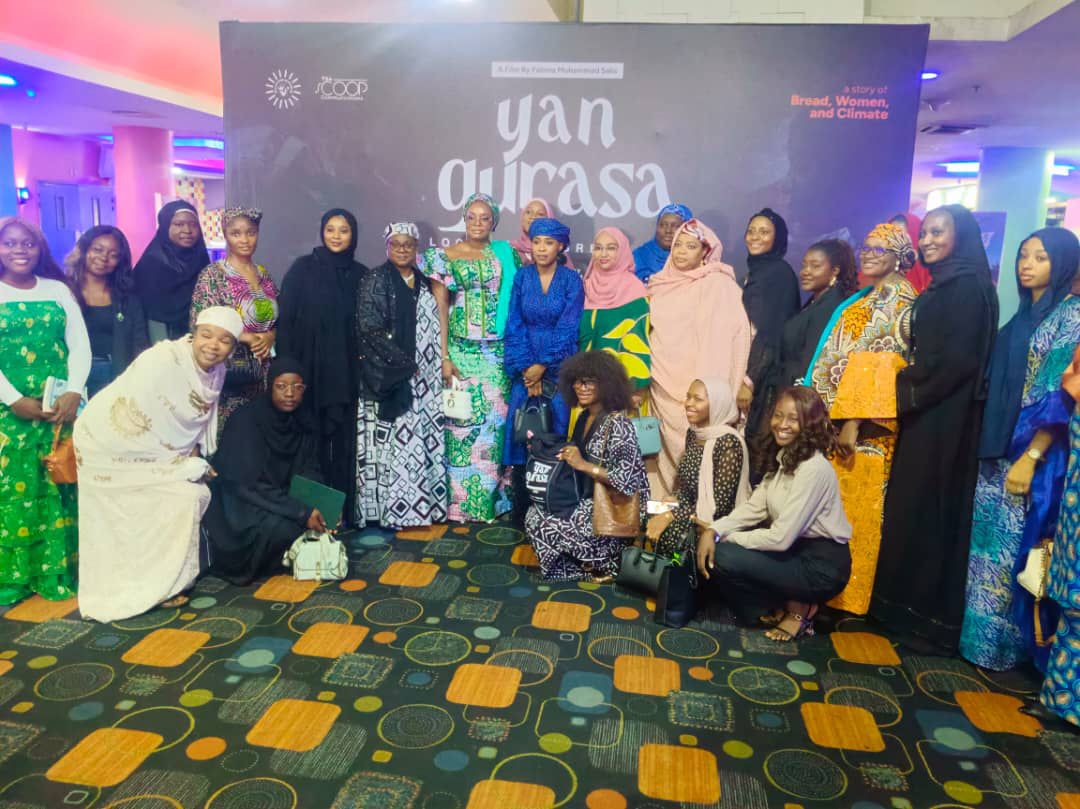
The call was made recently in Abuja, at the premiere of Yan Gurasa—a 15-minute documentary capturing the lives of women gurasa bakers in Kano, and the growing health and livelihood challenges they face under extreme heat conditions.
The event was organised by the Global Strategic Communications Council (GSCC) and also marks the final lap of the Muryarta Araya Muhalli project, which has spotlighted women-led climate action and resilience across Northern Nigeria.
Speaking at the premiere, Lead, Gender Justice Pillar, OXFAM, Ifeoluwa Olawumi, while quoting reports, said that 98,000 premature deaths are recorded in Nigeria due to exposure to fumes and all kinds of smoke.
She said most of those affected are women and girls who have to put meals on the table for the family.
She therefore called on stakeholders to urgently come up with practical solutions that will reduce the health burden on women, while supporting safer, cleaner alternatives for household and business cooking.
The wife of the Chief of Defence Staff and President, Defence and Police Officers Wives Association (DEPOWA), Mrs Oghogho Musa, also stressed the need for collective action.
She said there must be more awareness about the plight of the affected women, and greater efforts to ensure they live healthier lives while sustaining their businesses without undue exposure to health hazards.
Earlier in her welcome address, Mrs Zainab Bala of GSCC said the project aims to campaign around clean cooking and the impacts of climate change on women.
She said: “As you have seen in the documentary, basically what we are focusing on is the health impact of climate change and heat on women bakers in Kano.”
According to the organisers, the film is a frontline evidence, a grounded, human-centred story of heat stress, indoor air exposure, and resilience in the informal economy. It also provides a gendered perspective, insights into the adaptation, health, and economic security challenges of women in low-income settings, and pathways for action—exploring opportunities for cleaner heat sources, workplace cooling, micro-finance for safer ovens, social protection, and behaviour-change communications.
The wives of the Deputy Senate President, Speaker of the House of Representatives, Minister of State for Defence, Minister of Housing, and Minister of Health also graced the occasion.
Disclaimer
Comments expressed here do not reflect the opinions of Vanguard newspapers or any employee thereof.